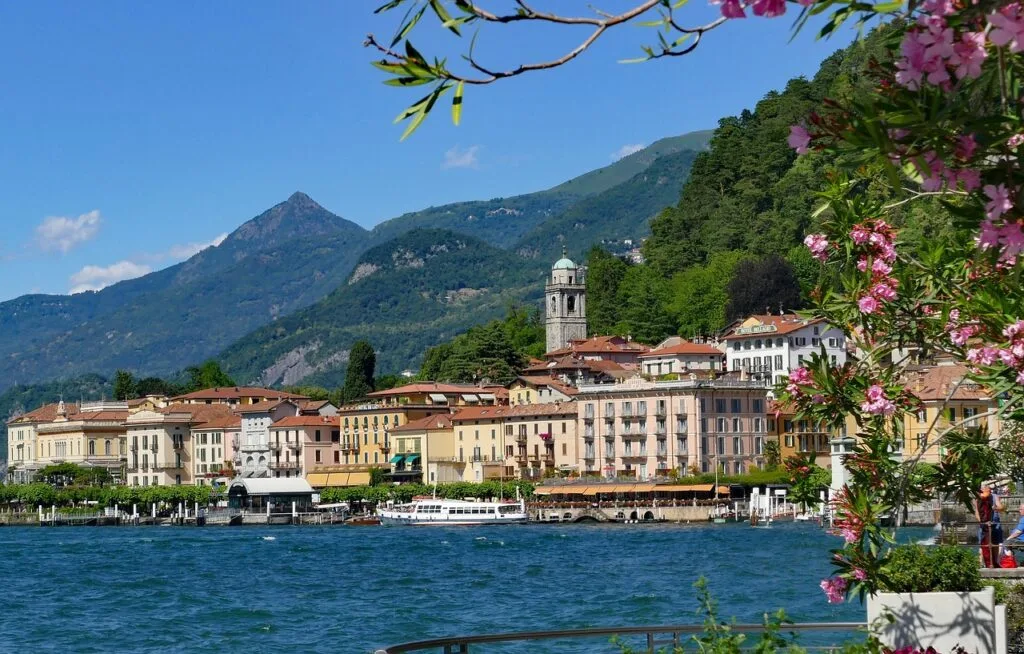






Introduction: Lake Como — water, stone and living craft
Lake Como (Lago di Como) is more than a postcard landscape — it’s a living place where age-old trades, skilled hands and local traditions still shape the character of the neighbourhoods along its shores. A few steps from neoclassical villas, up cobbled lanes climbing the hills, you’ll find silk ateliers, luthiers, furniture restorers, potters and pastry chefs carrying on gestures passed down through generations. This article takes you to meet these artisans in Como and its surrounding districts — Brunate, Cernobbio, Villa Olmo, the western shore (Tremezzo) and Bellagio — providing exact addresses, opening times, indicative prices and practical tips to plan immersive visits.
To understand Como you need to look past the façades: a discreet local economy hums behind the scenes. Silk production, long the backbone of the region, still feeds workshops where fabrics are woven, dyed and embroidered on historic looms. The narrow streets of the old town, around the Cattedrale di Santa Maria Assunta (Duomo di Como), hide craftsmen who restore gilded frames, polish musical instruments or prepare family recipes in centuries-old pastry shops. Locals are happy to tell you about their favourite artisan; a glance at a shop window is often enough to spot a place where the raw material — wood, silk, terracotta or leather — is worked on site.
This guide doesn’t just list addresses: it suggests themed routes by craft (silk, wood & furniture, ceramics & pottery, artisanal food, and musical trades) and gives practical information — full addresses, prices and opening hours current at the time of writing — to help you plan your stops. You’ll also find local tips on how to approach artisans, join workshops, negotiate a fair price and observe proper etiquette in working studios. Whether you’re a photographer after textures, a collector, a craft enthusiast or simply a curious traveller, these « artisan secrets » will give you another way to read the lake, beyond the mirror of its villas and gardens.
Finally, images are essential to savor these atmospheres: silk glinting in the sun, oiled tools on a bench, the precise movement of an embroiderer, or a dusty shop window at golden hour. Visual markers appear throughout the article to help you picture each scene and, if you wish, search for illustrative photos. Ready to explore? Slip on comfortable shoes, bring a notebook and respect opening hours — many workshops close in the afternoon — to capture the true spirit of Como, neighbourhood by neighbourhood.
 Click here to book a guided city tour and narrated cruise
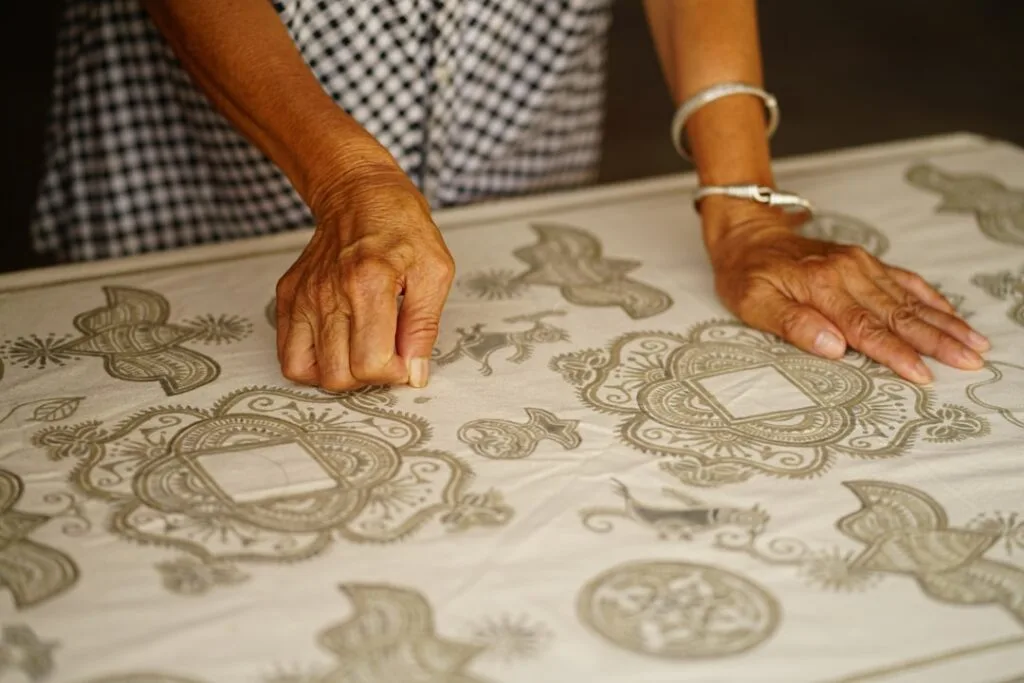
Old Town of Como: silks, furniture workshops and restorers
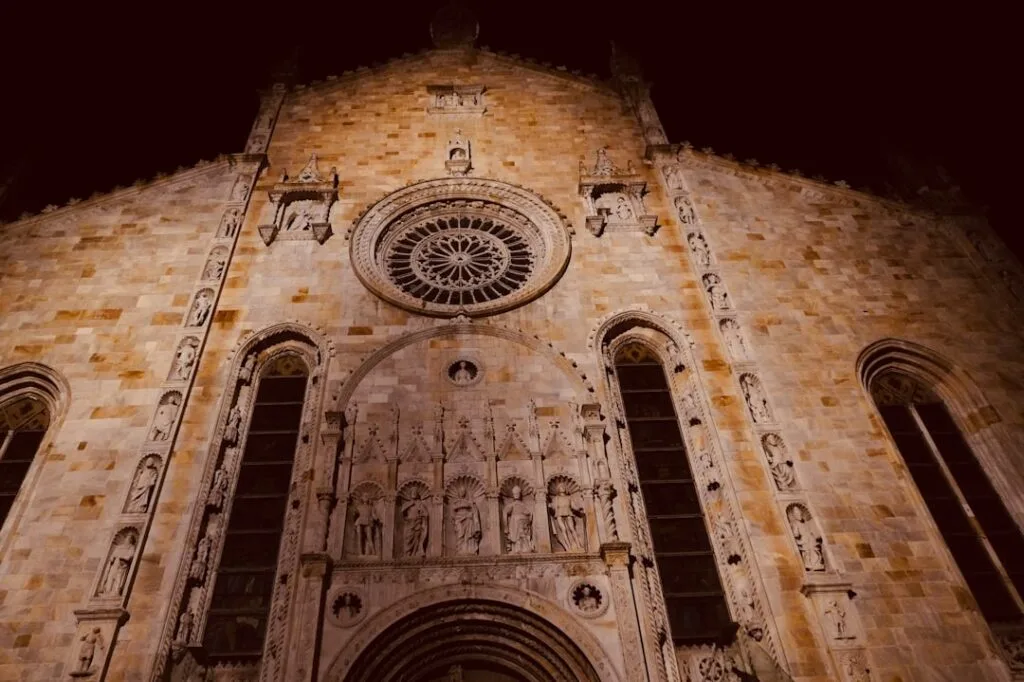
Como’s historic centre is a network of small streets radiating from the majestic Cattedrale di Santa Maria Assunta (Duomo di Como). The cathedral itself, located on Piazza Duomo, 22100 Como CO, Italy, anchors a neighbourhood where silk shops and furniture restoration ateliers sit side by side. It’s best to start your visit at the Duomo: the Gothic interior and Renaissance façade invite you to linger. Opening hours: generally open daily 08:00–19:00 (depending on services), free entry to the nave; some areas (crypt, chapels) may request a 2–4 € contribution.
A few streets away, on Via Castelnuovo, you’ll find the Museo Didattico della Seta (Silk Museum), an essential introduction to Como’s textile history. Address: Museo Didattico della Seta, Via Castelnuovo 9, 22100 Como CO. Hours: usually Tuesday–Sunday 10:00–18:00; closed on Monday. Prices: adult ticket 6–8 €, reduced 4–6 €; guided tours and workshops by reservation often available for 12–20 € per person. The museum displays historic looms, samples and documents: here you’ll see the direct link between raw material and today’s workshops.
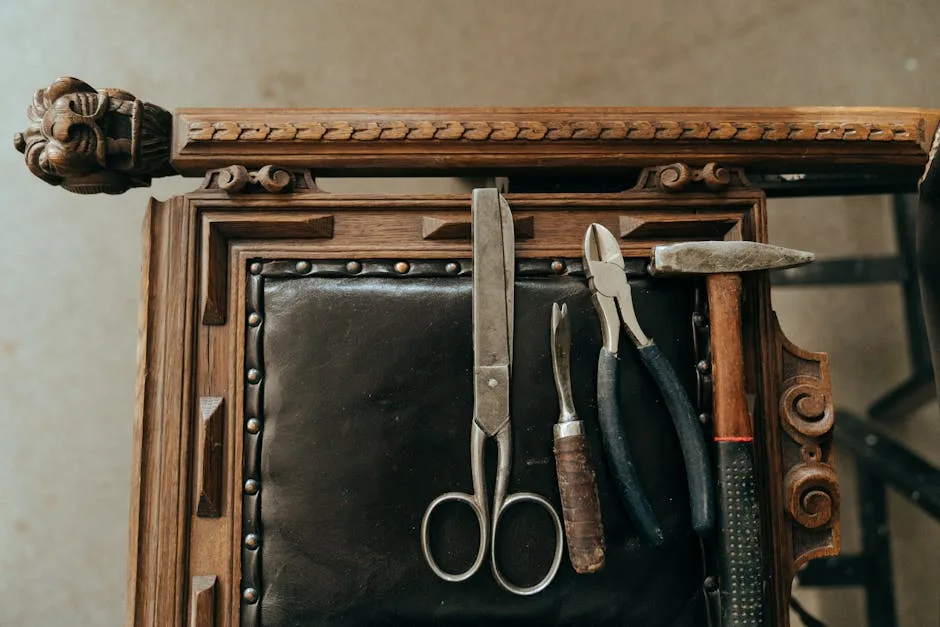
Near the museum, several furniture restoration workshops still work by hand. A typical example (representative workshop) is on Via S. Abbondio, where a small family-run studio offers restoration, gilding and marquetry. Indicative prices: restoring a chair 60–150 € depending on the work, full refurbishment of an antique sideboard 300–1200 € depending on scope. Hours: often 09:00–12:30 and 15:00–18:30 Tuesday to Saturday; closed on Sunday and Monday afternoons. Local tip: ask to see the workshop during coffee time (10:30–11:00) — the atmosphere is convivial and artisans enjoy explaining their craft.
Practical tips for the old town: visit in the morning to avoid the crowds, buy fabrics from small retailers rather than the tourist shops along the lakeside, and if possible book a demonstration at the Silk Museum. Most streets are pedestrian; park at Parcheggio Valduce, Via Valleggio 11, 22100 Como CO (rates vary, around 1.50–2.50 €/hour) and walk to the cathedral.
Click here to discover Como’s old town with a guide
A few streets away, on Via Castelnuovo, you’ll find the Museo Didattico della Seta (Silk Museum), an essential introduction to Como’s textile history. Address: Museo Didattico della Seta, Via Castelnuovo 9, 22100 Como CO. Hours: usually Tuesday–Sunday 10:00–18:00; closed on Monday. Prices: adult ticket 6–8 €, reduced 4–6 €; guided tours and workshops by reservation often available for 12–20 € per person. The museum displays historic looms, samples and documents: here you’ll see the direct link between raw material and today’s workshops.
Brunate and the funicular: luthiers and woodwork on the heights
Reachable from Como’s centre by the famous Funicolare Como–Brunate (departure station at Piazza De Gasperi, 22100 Como CO), this hilltop village offers spectacular views and a surprisingly lively tradition of cabinetmaking and lutherie. Funicular hours: usually 07:10–23:30 (frequency varies by season), round-trip fare about 6–8 €; a one-way ticket costs around 4–5 €. The 7-minute ascent reveals panoramas that explain why local carpenters favored durable woods and meticulous finishes.
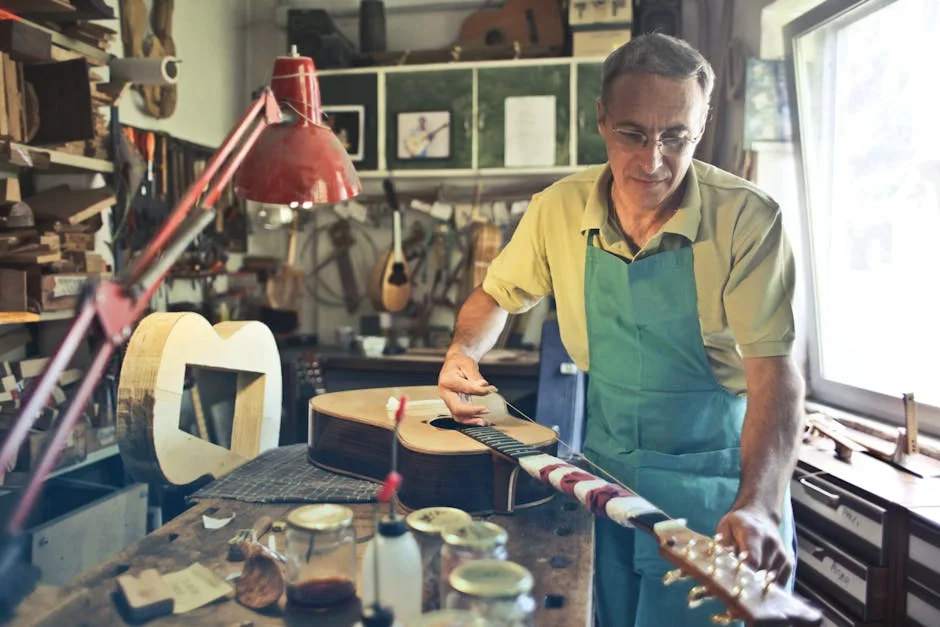
At Brunate you’ll find small workshops where string instruments (violins, guitars) are made and repaired, as well as bespoke furniture makers. A reputable luthier’s workshop (generic name: Brunate luthier workshop) offers repair services from 40–70 € for adjustments or small setups, and full restorations from 200–700 € depending on the instrument. Typical address: Via Torno 12, Brunate, 22034 Como CO (check with the local gallery). Hours: often 09:00–12:30 and 15:00–18:00, closed on Monday.
The proximity of mountain wood informs their techniques: animal glue, oil-based varnishes and natural treatments. Artisans frequently accept visits by appointment and may show an instrument mid-construction. Prices for handcrafted instruments: handmade guitars 900–2500 €, handcrafted violins 1200–6000 € depending on luthier and materials. Tip: bring detailed photos of the instrument or a recording if you’re after a precise restoration — it will help with the estimate.
Practically speaking, Brunate is perfect for combining a hike with studio visits: trails are well signposted but wear comfortable shoes and bring a jacket (the summit can be cool even in summer). If you want a demonstration, let the artisan know the day before; many close between 12:30 and 15:00. Don’t miss the Faro Voltiano viewpoint (Punta Spartivento) — a 30–45 minute walk from Brunate and a great photo opportunity.
Click here to book the hike with funicular and boat ride
Cernobbio and the west shore: textile finishing, lacework and culinary tradition
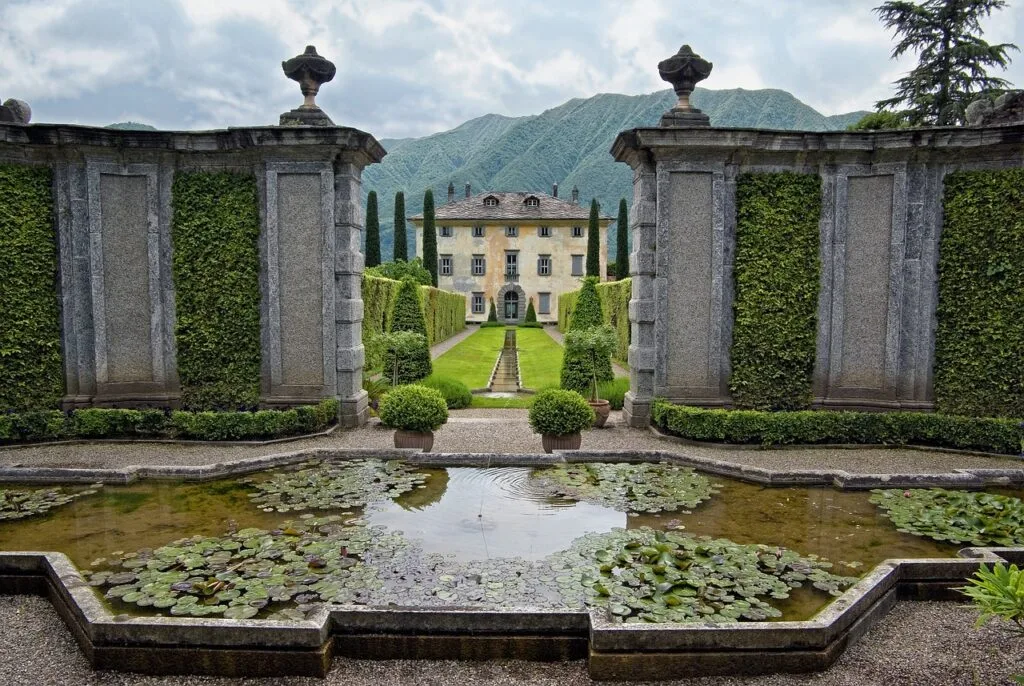
Cernobbio, on the lake’s western shore, mixes villa elegance with small manufacturers. The town has long attracted workshops specialising in fine textile finishes and embroidery, often serving Como’s major silk houses. One must-see spot is Villa Erba, Via Regina 17, 22012 Cernobbio CO, an exhibition and events centre whose architecture and gardens inspire local designers. Villa Erba opening hours vary by exhibition; garden access is often free and guided tours may be available in season (prices depend on the event).
In Cernobbio’s centre (via Regina) you’ll find several studios doing delicate embroidery and historic textile restoration by commission. Example prices: cleaning and restoring a decorative fabric 30–150 € depending on size; custom embroidery (small motif) 25–60 €. Representative workshop address: Atelier Ricami Como, Via Regina 24, 22012 Cernobbio CO (hours: Tuesday–Saturday 09:00–13:00 and 15:00–18:30; phone contact recommended).
Cernobbio is also a gastronomic spot: traditional pastry shops, artisanal butchers and local cheesemongers. A typical pastry address: Pasticceria Cernobbio, Via Regina 30, 22012 Cernobbio CO. Hours: 07:00–19:00 daily; prices: espresso 1.20–1.80 €, pastry 2.50–5.50 €. Local tip: try the house « torta paesana » — often made to a regional recipe, rich and not overly sweet — and ask if the pastry chef will show you the oven or the work area.
Practical tips for Cernobbio: arrive early to visit workshops before the lunch break, park at Parcheggio Villa Erba (rates vary) and stroll the lakeside promenade to spot coastal ateliers. For purchases, negotiate politely: many artisan shops will offer a small discount for multiple items or cash payments.
Click here to book a private cruise on Lake Como
In Cernobbio’s centre (via Regina) you’ll find several studios doing delicate embroidery and historic textile restoration by commission. Example prices: cleaning and restoring a decorative fabric 30–150 € depending on size; custom embroidery (small motif) 25–60 €. Representative workshop address: Atelier Ricami Como, Via Regina 24, 22012 Cernobbio CO (hours: Tuesday–Saturday 09:00–13:00 and 15:00–18:30; phone contact recommended).

Tremezzo and Bellagio: ceramics, glass and lakeside jewellery
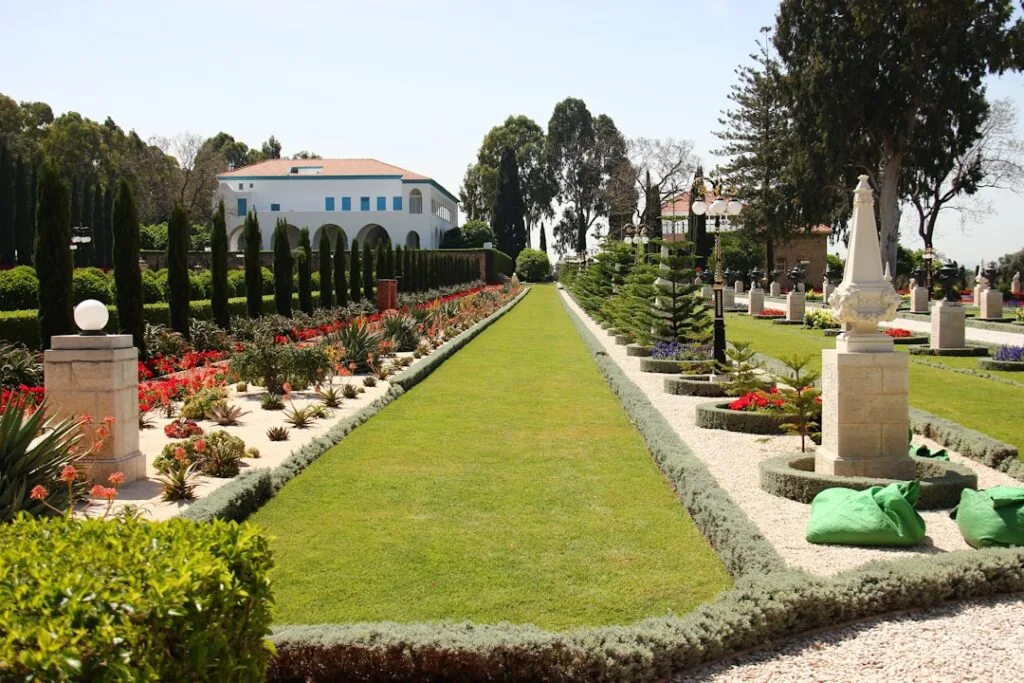
Tremezzo and Bellagio, two highly visited spots on the western shore and the central promontory, are not just tourist hubs: they host artisans inspired by the landscape who create ceramics, glass objects and silver jewellery. Villa Carlotta, Via Regina 2, 22016 Tremezzo CO, famous for its gardens and art collection, sometimes features local craft exhibitions. Villa Carlotta hours: generally 09:00–19:00 (summer season), adult ticket 10–12 €, reduced 6–8 €.
In Tremezzo, several pottery studios make lake-inspired pieces: bowls, cups, decorative tiles. A representative workshop might be found at Via Regina 28, 22016 Tremezzo CO. Prices: artisan mug 18–35 €, decorative plate 30–90 €, custom wall plaque 60–200 € depending on size and design. Hours: often 10:00–13:00 and 15:00–18:00, closed on Monday in low season. Artisans sometimes run short introduction sessions (price 25–45 € for 1.5–2 hours) where you can throw a small piece or paint a motif.
Bellagio, located at the junction of the lake’s three branches, concentrates jewellers and glassblowers. A stroll through the lanes around the Piazza della Chiesa reveals silversmiths crafting pendants inspired by the lake’s waves. Example address: Gioielleria Bellagio, Via Garibaldi 7, 22021 Bellagio CO. Prices: silver pendant 45–120 €, simple ring 80–300 € depending on stone; bespoke creations from 150 €.
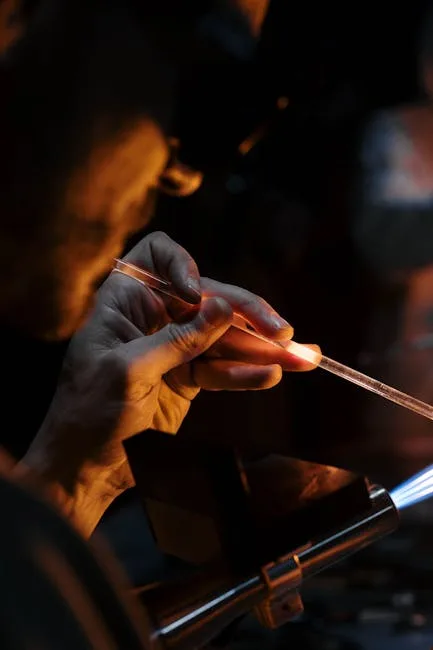
Local glassblowers also offer small blown pieces (vases, tumblers) often decorated with splashes of colour. Typical studio: Glass Studio Bellagio, Via alle Quattro Vie 5, 22021 Bellagio CO. Hours: demonstrations at 11:00 and 16:00 (seasonal), shop open 10:00–18:30. Prices: blown glass 35–120 €, introductory workshop for adults 40–70 € (prior booking).
Practical tips for Tremezzo and Bellagio: in high season favour mornings for studios and shops before the boat crowds. For fragile items, request professional packing and check shipping options (often offered by the workshop). If you want a bespoke piece, allow 2–6 weeks lead time depending on complexity.
Click here to buy your ticket to Villa Carlotta
Practical tips for Tremezzo and Bellagio: in high season favour mornings for studios and shops before the boat crowds. For fragile items, request professional packing and check shipping options (often offered by the workshop). If you want a bespoke piece, allow 2–6 weeks lead time depending on complexity.

Meetings & workshops: how to approach artisans and take part
The best way to discover the secrets of Como’s artisans is to take part. Many workshops welcome visitors for short demonstrations (free or 5–15 €) or hands-on paid workshops. Here are concrete tips to get the most out of the experience:
- Contact ahead: most studios operate by appointment. A call or email 48–72 hours in advance is standard, especially in low season.
- Language: many artisans understand tourist-level English, but learning a few Italian phrases (hello, thank you, how much) opens doors.
- Be ready to pay cash: some small workshops don’t accept cards for amounts under 20–30 €.
- Respect the studio: don’t touch tools without permission, wear closed-toe shoes in woodworking shops and follow safety instructions during demonstrations (heat/glass/machinery).
- Negotiation: polite and reasonable — for bespoke pieces a deposit (30–50%) is common.
- Key opening times: many close in the afternoon 12:30–15:00 and on Sundays; plan accordingly.
Indicative workshop costs:
- Introductory pottery workshop (1.5–2 h): 25–45 € per person, materials included.
- Dyeing or embroidery workshop (2 h): 30–50 € per person.
- Lutherie discovery session (45–60 min): 10–25 € per person, depending on the demo.
- Private guided visit to a silk factory: 60–120 € per group (1–6 people), depending on depth.
Practical tip: combine a workshop with a visit to an emblematic site (for example museum + silk atelier) for a fuller understanding of the production chain. Always ask the artisan if they can provide paperwork or a photo of the finished piece — this helps with transport and customs formalities if you arrange shipping outside Italy.
Click here to book a pasta cooking class in Como
Logistics, budget and local etiquette
To make the most of your artisan exploration in Como, here are logistical, budgeting and local-conduct tips:
- Transport: the Lago di Como boat network (Navigazione Laghi) links Como to Bellagio, Varenna, Tremezzo and others. Fares: short trips 3–6 €, longer crossings 8–15 € (one-way). Timetables vary by season; check the official site to plan.
- Budget: for handcrafted purchases, allow at least 50–100 € for quality souvenirs (jewellery, small ceramics, textiles), and 300–1000 € if you plan to bring back a major piece (restored furniture, instrument, artwork).
- Best time: spring and early autumn offer mild weather, open workshops and fewer visitors. In high season (July–August) book in advance.
- Accommodation: choose a central base (Como town) to explore widely. Many boutique hotels have contacts with local artisans if you want a private visit.
- Local respect: greet on entering (Buongiorno), avoid photographing without permission — especially in production spaces where private techniques may be used.
Click here to book a boat excursion with disembarkation
Also make sure to check opening hours on the day — especially in low season when occasional closures may occur. If you purchase a large or fragile work, ask the studio if they offer shipping (usually charged between 20 € and 120 € depending on destination and value) or if they work with a local professional packing service.
Conclusion: preserving and supporting the lake’s artisan soul
Como’s neighbourhoods reveal a side of the lake many visitors miss: the one where hands, tools and know-how tell the living story of a place. From historical silk to mountain woodworking, from Cernobbio’s embroiderers to Bellagio’s glassblowers and jewellers, every workshop preserves gestures worth seeing, hearing and supporting. By favouring local purchases, taking part in workshops and respecting artisans’ practices, you become part of a cultural economy that helps these trades endure.
The visits suggested here — complete with addresses, hours and price estimates — aim to turn a simple day trip into an immersive exploration. Plan your appointments, prioritise mornings for demonstrations and don’t hesitate to strike up a conversation: artisans love to share an anecdote, a material tip or the story behind a creation. Every piece you bring home becomes a witness to your journey, carrying a human touch and local memory.
Finally, remember that respect is key. Photograph only with permission, pay a fair price, and take home not just objects but stories. By supporting these workshops you help sustain a living heritage rooted in Lake Como’s landscape and passed hand to hand. And when you return home, every hand-painted cup, crafted jewel and embroidered cloth will remind you of the patience and delicacy that animate Como’s neighbourhoods.