





Introduction
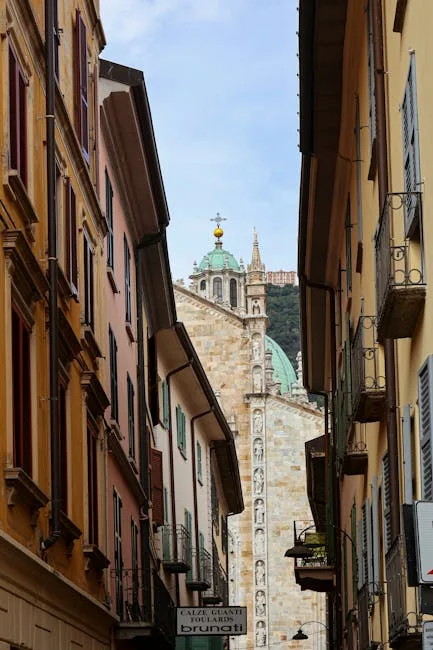
Lake Como (Lago di Como) has inspired artists, travelers and architects for centuries. But beyond the grand villas and Alpine panoramas, the town of Como itself holds a rich urban heritage: medieval alleys, Renaissance squares, neoclassical façades, Romanesque towers and public gardens along the lake. « Local Architecture: Historic Neighborhoods of Como » invites a close look at the districts that tell the town’s story — how they evolved, which styles sit side by side, and how you can walk them to get a real feel for Como.
This introduction sets the scene: Como is not just a launchpad for Bellagio or Varenna — check our ferry guide to plan crossings. The historic quarters — from the Duomo and its piazza to the small squares around the Broletto, and the west bank with Villa Olmo and the lakeside promenades on the Lungo Lario — offer a succession of public spaces and monuments that reveal different eras: the Romanesque age, the communal Middle Ages, Lombard Renaissance, and the 19th–early 20th century’s neoclassical and eclectic reinterpretations.
An architectural stroll is best taken on foot, coffee in hand and camera ready. As you wander the center you’ll notice layers of construction: behind a Baroque façade you may find a medieval structure; a defensive tower can sit next to a neoclassical theater. Materials matter here: local sandstone and limestone, Lombard brick, painted stucco, marble pediments and wrought-iron balconies. The routes I suggest below point to specific spots — with addresses — and practical tips: opening hours, approximate fees, best times for light, and tricks to avoid crowds or find an authentic trattoria for a break.
Finally, the traveler’s eye is asked to hunt details: a carved stone rose window, an inscription on an old plaque, the waterline reflections along the Lungo Lario, or the silhouette of the Porta Torre standing like a medieval bulwark. This article contains concrete reference points — full names of places and monuments, addresses, prices in euros, opening hours — so your exploration of Como’s historic neighborhoods is both enjoyable and free of surprises. Lace up your shoes, bring a camera and a curious mind: Como, with nearly a thousand years of compact architecture, is ready to tell you its stories of stone and water.
 Click here to book a boat trip to Bellagio and Varenna
Historic center: Duomo di Como, the Broletto and Piazza Duomo
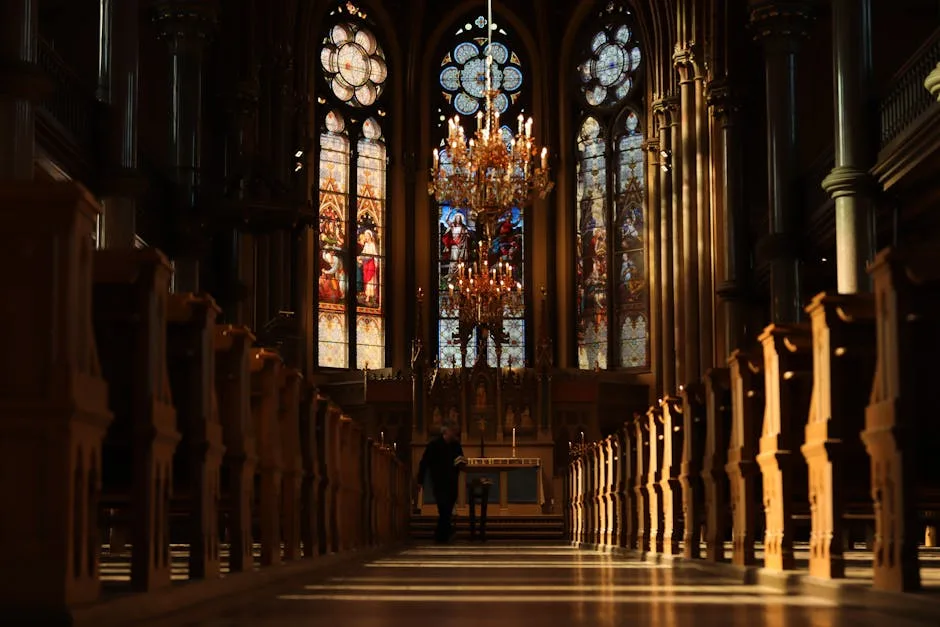
The medieval and religious heart of Como revolves around Piazza Duomo. The main landmark is the Duomo di Como (Cathedral of Santa Maria Assunta and St John the Baptist), a blend of late Gothic and Renaissance styles, known for its richly carved façade and marble detailing. See our photo route for the best viewpoints. Address: Piazza Duomo, 22100 Como CO, Italy. Approximate opening times: free access to the nave 7:00–19:00 (subject to services), cloister and terraces often open 9:00–17:00; terrace access fees roughly €3–5 depending on season. Tip: climb the terraces early in the morning for panoramic views over the roofs and the Alps — the light is perfect for photography.
Opposite the Duomo, the Broletto (Palazzo del Broletto) is the former town hall, now woven into the administrative fabric of the city. Address: Piazza Duomo, 22100 Como CO. With its arcades and tower, the Broletto embodies medieval civic life: it was the stage for public proclamations and assemblies. A few steps away, the Loggia di San Giacomo and the fountain in the piazza provide pleasant urban details for a leisurely wander. The contrast between the dark stones of the Broletto and the pale marble of the Duomo creates a very photogenic visual dialogue, especially in late afternoon.
Local practicalities: avoid Piazza Duomo during major masses and religious festivals if you want calm and crowd-free photos. For a typical lunch try Trattoria La Costa (Via Cesare Cantù, 15, 22100 Como CO) or Pasticceria Monti for coffee and a brioche. Accessibility: the center is paved with cobbles; if you have a stroller or mobility needs, stick to main streets and ask local tourist offices for assistance. The tourist information desk on the piazza can provide brochures, maps and ticketing for nearby museums.
Click here to discover Como’s historic center with a guide

West bank and Villa Olmo: neoclassical promenades and lakeside gardens
Following Lungo Lario Trieste along the west bank of the center leads straight to Villa Olmo, a prime example of the neoclassical taste for open gardens facing the lake. Villa Olmo – Lungo Lario Trieste, 1, 22100 Como CO. Garden hours: generally 8:00–19:00 (seasonal); in-house exhibitions or museum spaces in the villa: variable fees €4–8. The large esplanade and lakeside terraces are popular for morning walks, runs, or watching ferries glide past the villa’s white, symmetrical façade.
The villa itself, with its rows of columns and wood-paneled salons, evokes the era when Lombard families and aristocrats shaped the shore for receptions and pleasure gardens. Walks along the Lungo Lario form an architectural continuum: balustrades, statues, wrought-iron pavilions and public benches create a sequence of spaces designed for contemplating the lake. Photo tip: dusk is the best time to capture golden reflections on the façade and the mountains’ silhouette behind. Villa Olmo is also in our Top 5 gardens perfect for an outdoor brunch.
Practical access: from Como San Giovanni station (Piazza Vittorio Emanuele II, 22100 Como CO), it’s a 10–15 minute walk to Villa Olmo. Garden attendants often have information about current exhibitions. If you plan to visit a paid exhibition inside, book ahead in high season (May–Sept). For a treat, Caffè Monti near the park offers artisanal pastries. Local tip: follow the side paths of the gardens to find quieter viewpoints and small shaded benches.
San Fedele, Porta Torre and the old city walls: towers, Romanesque churches and workshops
West of the Duomo lie more intimate streets: Piazzetta San Fedele, the Romanesque Chiesa di San Fedele and the imposing Porta Torre, a remnant of the medieval walls. Chiesa di San Fedele – Piazza San Fedele, 5, 22100 Como CO. Typical opening times: 8:30–12:00 and 15:30–18:30; free entry, donations welcome. The church, with its sober bell tower and vaulted interior, showcases carved capitals and a rare atmosphere of quiet devotion right in the town center.
Porta Torre (Piazza San Giacomo, 22100 Como CO) is Como’s most visible defensive tower: tall and massive, it stands as a reminder of when the town controlled routes into the Lombard interior. Walking the ramparts helps explain the medieval urban layout: perpendicular streets, small squares and timber-framed houses that were gradually replaced by stone and stucco façades. Practical note: the area around Porta Torre hosts artisan workshops, silk shops and galleries — perfect for buying an authentic souvenir like a Comasca silk tie.
Tips: to understand the city’s evolution follow Via Cesare Cantù and Via Milano which link Porta Torre to the Lungo Lario. Enjoy the small osterie nearby to taste local dishes: risotto with perch (risotto con pesce persico) and polenta. In winter the sheltered alleys feel less windy than the waterfront and are great for long coffee breaks. For history buffs, themed guided tours of the walls and towers are sometimes offered by the Museo Archeologico di Como — check local listings for schedules and prices.
Museums, silk and industrial influences: the Museo della Seta and Tempio Voltiano
Como’s long textile tradition, famed for silk, is legible in its industrial and museum architecture. The Museo della Seta (Museum of Silk) sits in the heart of town: Via Castelnuovo, 9, 22100 Como CO. Indicative hours: 9:30–18:00; full price around €7–10. Housed in a historic building, the museum displays old looms, fabric samples, technical models and company archives. The space tells how the silk industry shaped the urban landscape: workers’ houses, warehouses and workshops that once rang to the rhythm of looms.
Another must-see for local heritage is the Tempio Voltiano, dedicated to Alessandro Volta, inventor of the electric battery. Address: Piazza Cavour (often cited as Piazza Voltairo), 2, 22100 Como CO. Hours: 9:00–18:00; admission about €5–7. The neoclassical temple dominates the lakefront — its white dome and columns make it a clear urban landmark. Inside you’ll find instruments, manuscripts and reconstructions of scientific experiments, highlighting links between science, industry and local architecture.
Practical tip: combine the Museo della Seta and the Tempio Voltiano in a half-day visit, then have lunch on the Villa Olmo promenade or in a town cantina. Museums often offer reduced rates for students, seniors and families; look for combined passes or free days (first Sunday of the month, depending on the calendar). To see silk-making in action, seek out workshops still operating in the small streets off the Lungo Lario: many artisans accept appointments for demonstrations (often from €15 for a private guided visit). For other neighborhood suggestions see our authentic Como quarters.
Click here to book a guided tour and narrated cruise

Conclusion
Exploring Como’s historic neighborhoods means accepting a multi-temporal walk where every square and street tells a fragment of the town’s long lakeside history. From the Duomo di Como and the Broletto, symbols of religious and civic life, to the neoclassical villas along the Lungo Lario and medieval towers like the Porta Torre, the town offers a layered reading of its architecture. Museums — the Museo della Seta and the Tempio Voltiano — complete the picture by showing how industry and science were woven into the urban fabric.
Practically speaking, visitors should carry an up-to-date map and check opening times, as some sites alternate between open access and periods reserved for services or temporary exhibitions. Key addresses to remember when planning your route: Piazza Duomo (Duomo di Como), Piazza San Giacomo (Porta Torre), Lungo Lario Trieste 1 (Villa Olmo), Via Castelnuovo 9 (Museo della Seta), and Piazza San Fedele 5 (Chiesa di San Fedele). The fees listed here — Duomo terraces €3–5, Museo della Seta €7–10, Tempio Voltiano €5–7 — are indicative; it’s wise to consult official sites or the local tourist office to book in advance, especially in high season (see also our local tips for exploring Como).
And my single best piece of advice: take your time walking. Como reads best at a slow pace, stopping at a doorway, savoring an espresso in a tiny piazza, watching the town’s reflections on the water at sunrise or sunset. The historic quarters are more than postcards: they’re living places where architecture frames everyday life. With curiosity, respect for opening hours and attention to details (materials, inscriptions, proportions), your visit will become a genuine immersion into Como’s history and daily rhythm. Buon viaggio and happy architectural discoveries!