





Introduction: Why visit Como sustainably
Lake Como, with its sparkling waters, historic villas and green hills, is one of Italy’s most sought-after destinations. Yet popularity doesn’t remove responsibility: preserving the area’s beauty, supporting the local economy and reducing carbon footprint are key for anyone wanting to explore the region sustainably. An eco-aware visit to Como goes beyond avoiding plastic; it means choosing neighborhoods and activities that favor gentle transport, local consumption, protection of natural heritage and collaboration with committed local actors.
In this article we highlight neighborhoods and sites around Lake Como (Lago di Como) by favoring addresses, museums, gardens and services that demonstrate concrete eco-friendly practices: electric vehicle charging points, partnerships with local producers, waste-reduction policies, use of renewable energy, and pedestrian- and cycle-friendly layouts. Each section offers practical details — full addresses, opening hours, entrance fees, tips to reduce your impact — so you can plan a respectful, discovery-rich stay.
We cover Como’s Centro Storico, Cernobbio and its sustainable hotel approaches, the village of Brunate and its mobility alternatives (including the funicular), the western shore with Tremezzo and Villa Carlotta, as well as protected natural areas like Parco Regionale Spina Verde. The goal is twofold: provide a practical guide to enjoy the lake and show how each visitor can help preserve this exceptional territory. Throughout the text you’ll also find local recommendations — markets, restaurants, walking or cycling routes — to enjoy an immersive, responsible experience.
Centro Storico of Como: living heritage and soft mobility
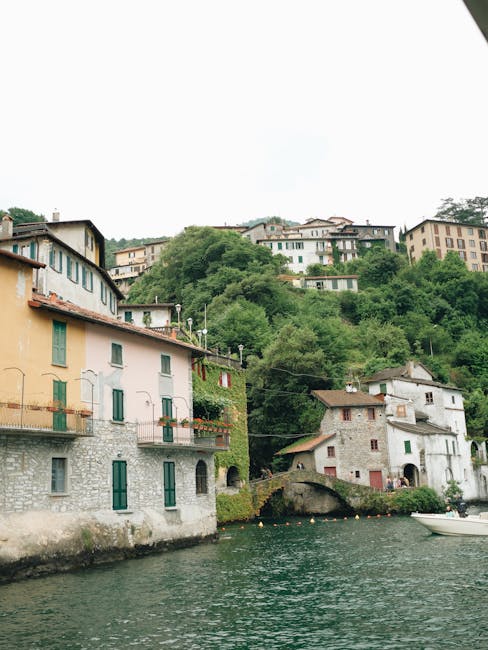
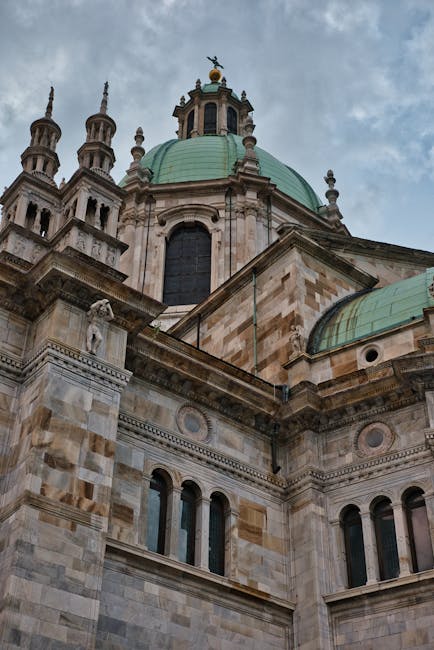
Como’s Centro Storico (Centro Storico di Como) is the city’s historic heart, a dense tapestry of medieval lanes, shady squares and important churches like the Cattedrale di Santa Maria Assunta (Duomo di Como). Getting to the center on foot or by public transport is the first golden rule to limit your impact: the area is largely pedestrianized and encourages gentle mobility. While wandering, you’ll find artisan shops, fine food grocers and cafés that prioritize local products and eco-friendly packaging.
Main address: Piazza Duomo, 22100 Como CO, Italy. The Duomo di Como is located right next to the piazza. Indicative hours: Duomo di Como — Piazza Duomo, 22100 Como; generally open from 09:00 to 18:30 (hours may vary with season and religious services). Price: free entry to the main cathedral; guided visits to the baptistery and cloister may be paid (around €3–6 for certain sections). Allow half a day on foot for a full visit to the historic center.
For a sustainable experience, favor Como’s covered market (Mercato Coperto di Como) at Via Garibaldi 16, 22100 Como, generally open Tuesday to Saturday from 07:00 to 14:00. Here you can buy local cheeses, Northern Italian cured meats and vegetables from Valtellina without excess packaging. Vendors often accept reusable bags; some stalls even offer bulk products.
- Practical tip: Rent an e-bike at the Como Bike Rent location, Via Borgovico 38, 22100 Como. Indicative price: €20–35 per day. Hours: 09:00–19:00 in high season.
- Sustainability: Choose cafés serving drinks with local or plant-based milk, and refuse plastic straws; many places have adopted compostable alternatives.
 Click here to book your guided tour of the historic center
Cernobbio and Villa d’Este: sustainable hospitality and refined gardens
Cernobbio, just 6 km northwest of the city of Como, is famed for its luxurious villas and the iconic Hotel Villa d’Este. In recent years several Cernobbio establishments have adopted eco-responsible policies: reducing water consumption, sorting waste, sourcing locally and running guest-awareness programs. The promenade along Lungo Lario Trieste in Cernobbio is a great example of a space redesigned for pedestrians and cyclists.
Cernobbio address: Piazza Risorgimento, 22012 Cernobbio CO, Italy. Notable hotel: Grand Hotel Villa d’Este, Via Regina 40, 22012 Cernobbio. Reception open 24/7; garden visits possible by appointment. Price: rooms from around €350 per night in low season up to €1000+ in high season depending on the room. The property now offers dining options with organic products and internal programs to reduce plastics.
Near Cernobbio is Villa Erba (Viale Regina Margherita 10, 22012 Cernobbio), an exhibition and conference center set in a 19th-century villa surrounded by a park. Villa Erba regularly hosts events focused on sustainable architecture, green startups and organic fairs. Exhibition hours: vary by event; entry: generally €5–15 for some temporary exhibitions.
- Green visit: Take an electric boat ride from Cernobbio port (Porto di Cernobbio, Via Regina) to reach other lake points with fewer emissions. Price: short trips from €8–12 per person; private half-day rental around €120–250.
- Practical tip: Book a table at a committed restaurant like Ristorante Mistral (check the local “cucina sostenibile” label) and favor “km 0” menus (local produce).
Click here to book an eco-friendly sailing excursion
Brunate and the funicular: green mobility and walking viewpoints
Brunate is the hilltop village overlooking the town of Como and the lake. The usual ascent is via the historic Funicolare Como–Brunate funicular, whose lower station is at Piazza De Gasperi 5, 22100 Como. The funicular provides a quick, low-emission way to reach the heights, reducing car use in Brunate’s narrow lanes. It has been operating since the late 19th century and has been modernized to improve energy efficiency.
Funicular hours and fares (indicative): Funicolare Como–Brunate — Piazza De Gasperi 5, 22100 Como; approximate hours 07:00–22:30 in high season, 08:00–20:00 in low season. Round-trip price: about €3.50–5.00 per person. Combined tickets for the funicular and some guided tours of Brunate are available.
Once in Brunate, choose hiking trails and walking loops that offer outstanding views of the lake and the Alps. The Faro Voltiano viewpoint (Faro Voltiano, Via al Faro, 22034 Brunate CO) is a memorial lighthouse about 20–30 minutes on foot from the funicular terminus; access is free. The trail to the Faro is well signposted and maintained by the municipality and local associations, which also organize clean-up and upkeep days—check how to join and help reduce tourism impact.
- Practical tip: Bring a reusable water bottle: refill points (public fountains) are available in Brunate and at the upper funicular station.
- Sustainability: Book certified local guides for hikes; they know routes that minimize erosion and respect endemic flora.
Click here to book a hike with funicular and boat
Book eco-responsible experiences around the lake
In high season, plan bookings and timing in advance to avoid queues, shortages of rentals and overcrowding at sites.
1. Villa Carlotta — museum and garden
Visit the historic villa and its 20+ acres of botanical gardens, where green space management and lake views combine for a culturally and naturally respectful visit.
- ⏱️ Duration: 24 hours
- 🚩 Start: Villa Carlotta, Tremezzina
- 🎟️ Included: Museum & garden ticket
- 💡 Highlight: Biodiverse botanical garden and lake views
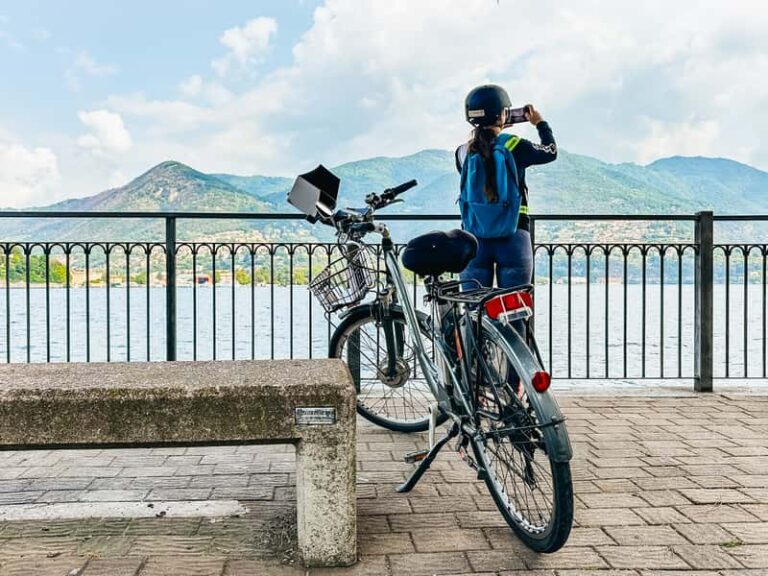
2. Guided electric bike ride
Ride along Como’s shores and alleys on an electric bike to reduce car use; a guide and digital tools put the heritage in context without fatigue and with minimal impact.
- ⏱️ Duration: 3 hours
- 🚩 Start: In front of Como Nord Lago station
- 🎧 Format: Small-group guided tour
- 💡 Highlight: Low-impact mobility with digital support
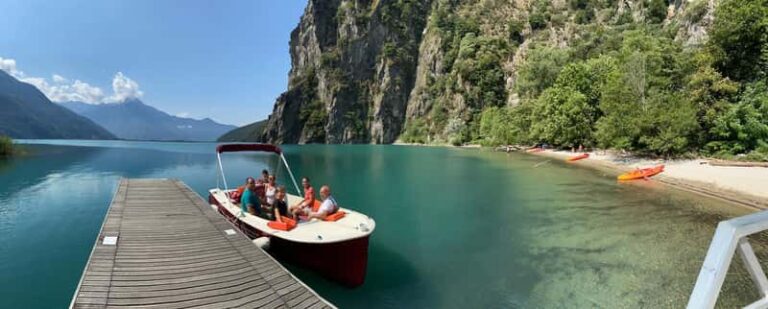
3. Electric boat rental
Explore the Pian di Spagna nature reserve from a quiet electric boat: birdwatching, clean navigation and the freedom to reach coves and canals that are hard to access.
- ⏱️ Duration: 4–8 hours
- 🚩 Start: Colico (departure point varies by option)
- ⛴️ Transport: Electric boat
- 🎟️ Included: Safety equipment and life jackets
- 💡 Highlight: Access to the Pian di Spagna reserve and wildlife
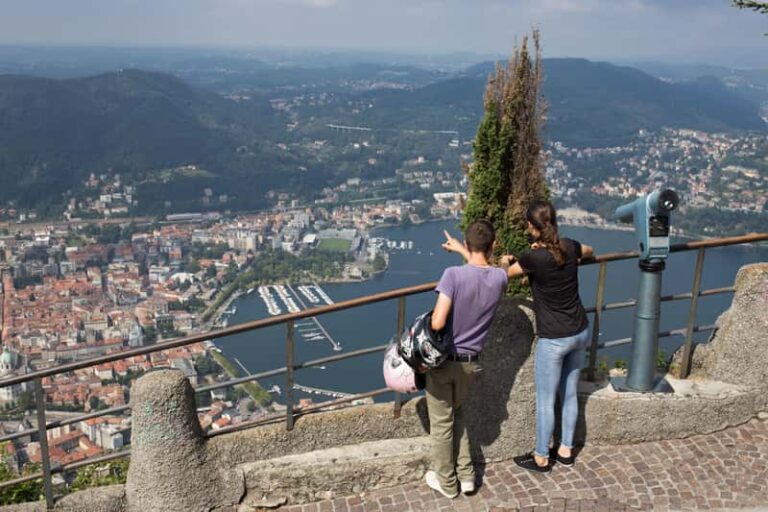
4. Funicular, hike and boat
Take the funicular, follow well-kept panoramic trails up to Monte Piatto, then return by boat: a loop that prioritizes gentle transport and car-free views.
- ⏱️ Duration : 6 hours
- 🚩 Start : Funicular station, Piazza De Gasperi
- ⛴️ Transport : Funicular + boat
- 🍽️ Meals : Local lunch stop in a Baita
- 💡 Highlight : Maintained local trails and panoramic views
Tremezzina and Villa Carlotta: botanic gardens and water management
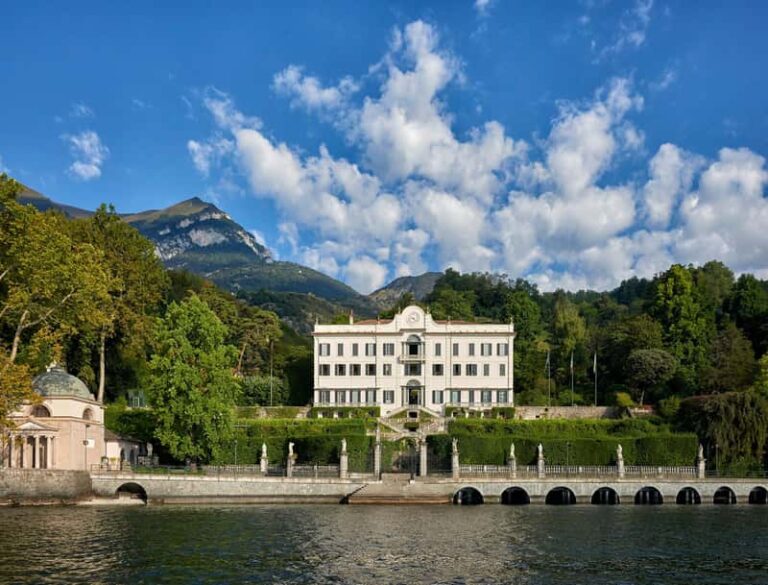
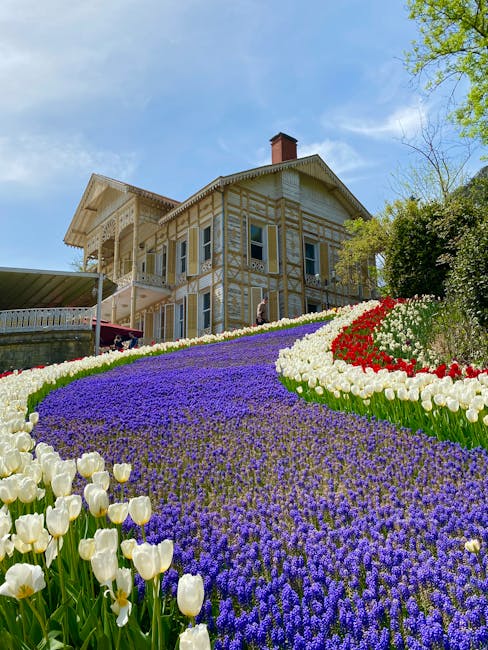
The western shore of Lake Como, notably Tremezzina (the municipality that includes Tremezzo, Lenno, and other localities), is famed for historic villas with lavish gardens. Villa Carlotta in Tremezzo (Via Regina 2, 22016 Tremezzo CO) is an example of a heritage site actively working on botanical conservation. Villa Carlotta’s botanic gardens showcase collections of rhododendrons, azaleas, camellias and centenary trees, and water management is optimized through targeted irrigation techniques and rainwater harvesting.
Practical info: Villa Carlotta — Via Regina 2, 22016 Tremezzo (CO). Opening hours: generally open daily April–October from 09:00 to 19:00; reduced hours off-season (check before visiting). Entry fee: around €8–12 for gardens and museum; reduced rates for students and seniors. Villa Carlotta regularly offers themed guided tours on botany and conservation, ideal for travellers wanting to understand sustainability efforts.
Nearby, Villa del Balbianello (Via Guido Monzino 1, 22016 Lenno CO) — famous for its terraced gardens and lakeside belvedere — is managed by the FAI (Fondo Ambiente Italiano) and emphasizes conservation and sustainable visitor welcoming. Address: Villa del Balbianello, Via Guido Monzino 1, 22016 Lenno (managed by FAI). Hours and price: open April–October, often 10:00–18:00; guided entry around €12–20 depending on options (reservations strongly recommended to limit overcrowding).
- Sustainable access : Take the boat (ferry) from Como or Cadenabbia: regular services on the Navigazione Laghi network reduce car use. Price: local connections from €5–10 depending on distance; return to Tremezzo from Como about €13–20 (seasonal rates).
- Practical tip : Visit early in the morning to avoid crowds and reduce pressure on sites; bring a zero-waste picnic (use designated areas and take your rubbish with you if needed).
Click here to book your ticket for Villa Carlotta
Parco Regionale Spina Verde and natural routes
For nature lovers, Parco Regionale Spina Verde (Spina Verde Regional Park) is a protected green area northwest of the city of Como, offering numerous hiking and MTB routes and historic sites like the Torre di Porta Torre. The park plays a key role in conserving local biodiversity and protecting wetlands that help maintain the lake’s water quality.
Main access address: Parco Regionale Spina Verde — ingresso da Via G. Parini, 22100 Como CO (there are several entrances). Hours: park accessible year-round, 24/7; some services and visitor centres open daytime (generally 09:00–17:00). Price: free access; some guided activities and naturalist workshops may be paid (about €5–15 per person).
The park offers bilingual interpretation panels, educational trails for families and volunteer programs for ecological restoration. Recommended routes include the “Sentiero delle Ville,” linking historic villas and viewpoints, and the “Percorso dei Forti,” which explores military works and lake panoramas.
- Practical tip : Bring binoculars and the park map (available at the information point) to observe wildlife without disturbing it. Stick to marked trails to limit erosion and habitat fragmentation.
- Sustainability : Join local workshops run by park associations to learn scent-restoration techniques, composting and small-scale water management.
Click here to book a guided e-bike tour
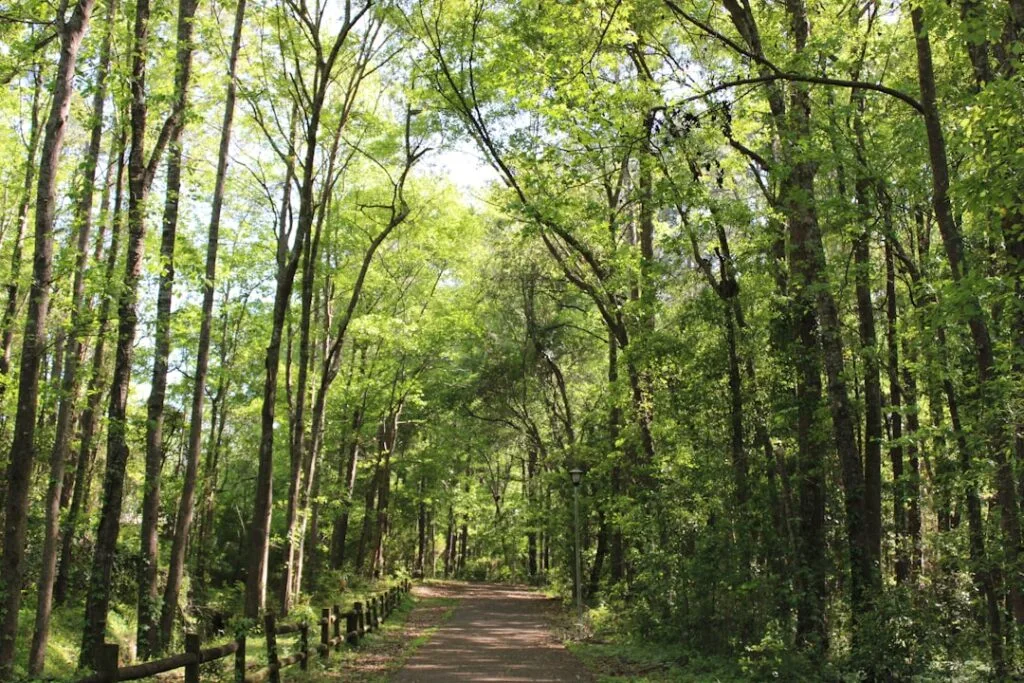
Practical tips for an eco-responsible stay around Lake Como
Here’s a list of concrete, local recommendations to make your Lake Como visit as sustainable as possible:
- Transport : Use public transport (Trenord regional trains to Como San Giovanni, local buses) and the Navigazione Laghi ferry network (ports: Como, Cernobbio, Tremezzo, Bellagio). Trenord — Stazione di Como San Giovanni, Piazza Matteotti, 22100 Como; schedules vary by season; single ticket from Milan: about €4–8 depending on the train.
- Accommodation : Choose places with official labels (local or European ecolabels) and ask about food sourcing, waste management and use of renewable energy. Many B&Bs and agriturismi around the lake offer “km 0” breakfasts for an extra €6–12, supporting local producers.
- Food : Favor restaurants and markets offering organic products and local catch (lake fish, cheeses from Valtellina). Meal budget: local trattoria €15–30 per person; more upscale restaurant €40–70.
- Activities: Book local guides for kayak trips, hikes and villa tours; this supports the local economy and ensures eco-friendly practices. Eco-kayak tours: rentals from €20–35 per hour.
- Waste reduction: Bring a reusable water bottle, tote bags and cutlery; avoid single-use items. Many drinking water points are available in Como and several villages.
- Support local initiatives: Check associations like Legambiente Lombardia or local tourist offices to join community actions (clean-ups, workshops) during your stay.
Conclusion: travel to Como with pleasure and responsibility
Visiting Lake Como sustainably is not only possible but rewarding: it lets you discover lesser-known gems, make authentic connections with local producers and guides, and reduce your trip’s ecological footprint. Neighborhoods like Centro Storico, Cernobbio, Brunate and the shores of Tremezzina show how historical heritage and modern sustainability can coexist harmoniously. By choosing soft mobility (funicular, ferry, bicycle), supporting local hotels and restaurants and respecting natural areas (notably Parco Regionale Spina Verde), every visitor helps preserve the landscape and boost local communities.
Taking the time to learn how villas like Villa Carlotta (Via Regina 2, 22016 Tremezzo) or Villa del Balbianello (Via Guido Monzino 1, 22016 Lenno) manage their gardens, or to observe the modernization of the Funicolare Como–Brunate (Piazza De Gasperi 5, 22100 Como), turns a short escape into a responsible, educational trip. The numbers and prices provided (funicular tickets, entries, rentals) help you plan a realistic, transparent stay. Remember sustainability isn’t about deprivation but thoughtful choices: pick an electric boat for a crossing, favor a local market over a supermarket, or join a morning clean-up—small concrete actions that make a difference.
Finally, sustainable travel is also about sharing and passing it on. Bring good practices with you, recommend responsible spots to other travelers and keep supporting local initiatives after you return. Lake Como, with its fragile beauty, deserves each visitor’s care—so future generations can stroll Como’s streets, admire Villa Carlotta’s gardens and take in the view from Brunate knowing their visit was respectful and beneficial.