





Introduction
The old center of Como, sitting on the shore of Lake Lario (known internationally as Lake Como), is a true jewel of history, architecture and everyday Italian life. Wandering its cobbled lanes you effortlessly move from quiet squares lined with cafés to medieval façades, from Roman portals to silent courtyards where time seems to slow. This comprehensive guide will walk you through the old quarters — Duomo, Broletto, San Fedele, the lakefront toward Villa Olmo, and the little streets that link markets, churches and museums — giving exact addresses, entry prices in euros, usual opening hours, immersive descriptions and local practical tips to experience Como like a local.
The old town pivots around a few key points: the majestic Cattedrale di Santa Maria Assunta (the Duomo di Como) with its Gothic-Renaissance façade, the lively Piazza Cavour opening onto the lake and mountains, and the micro-neighbourhoods with historic names where every corner hides a craft shop, a delicatessen or a small family-run restaurant. Its topography — narrow and sloping toward the lake — creates panoramas at every turn: a stairway that opens onto the promenade, an ascent revealing a bell tower, or an arcade that frames a bright trattoria scented with fresh herbs.
But Como is more than a postcard: it is the product of a long history, from Roman antiquity to the 19th-century textile boom, visible in its stones and street names. Religious and civic heritage mixes with traces of notable figures who frequented the city — thinkers like Alessandro Volta, celebrated in the Tempio Voltiano, and artists who decorated churches and houses. This guide emphasizes must-see spots, recommended walking routes, precise addresses (so your GPS takes you straight to the heart), current admission fees and typical opening hours, while giving practical tips: where to sit for the best café view of the piazza, when to visit to avoid crowds, and how to combine a stroll through the old quarters with a short lake cruise.
We’ll also add visual cues to help plan your photos: misty mornings on the lake, golden reflections at sunset, façades ornamented with stucco, and vendors setting up stalls in the square. In short, whether you have two hours, a day or several days, this guide will help you make the most of exploring Como’s old quarters, blending practical information with sensory immersion.
 Click here to book a guided tour and commentary cruise
The Duomo and the medieval heart: Cattedrale di Santa Maria Assunta and the Broletto
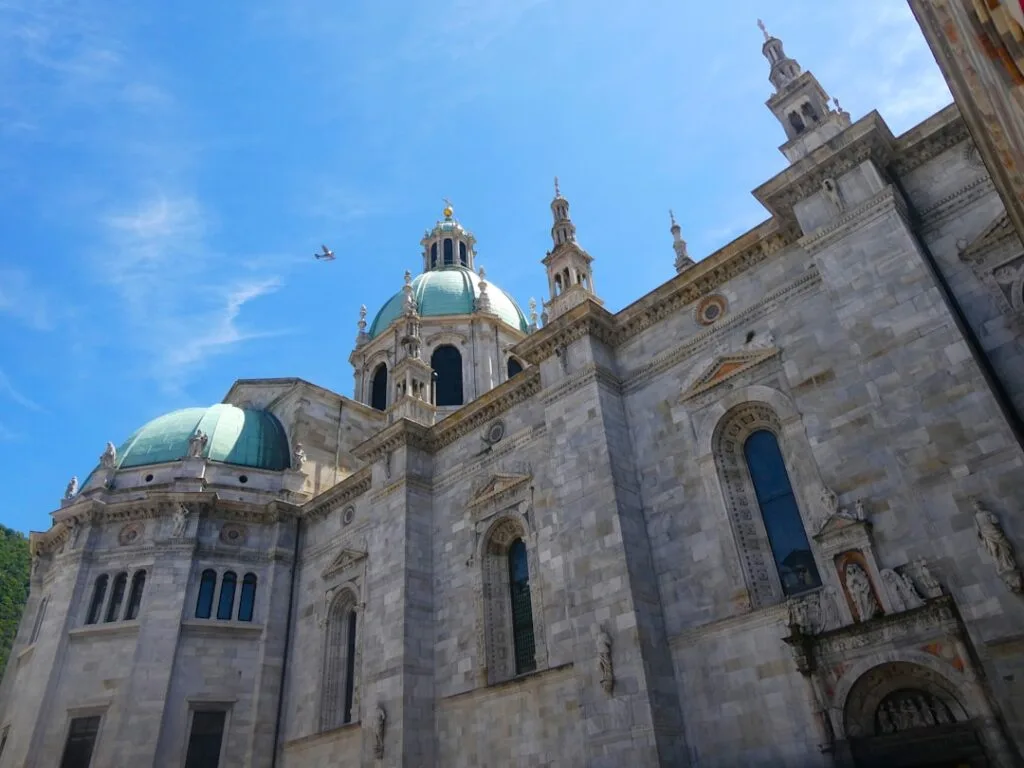
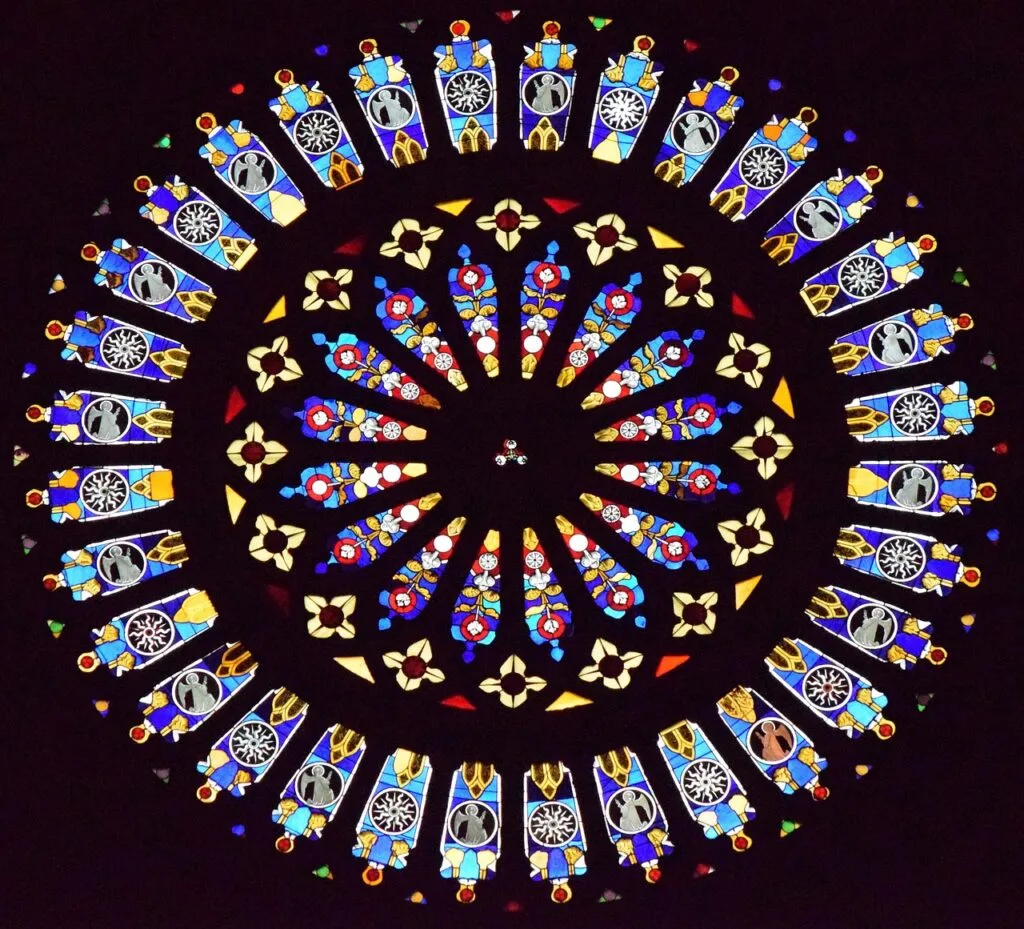
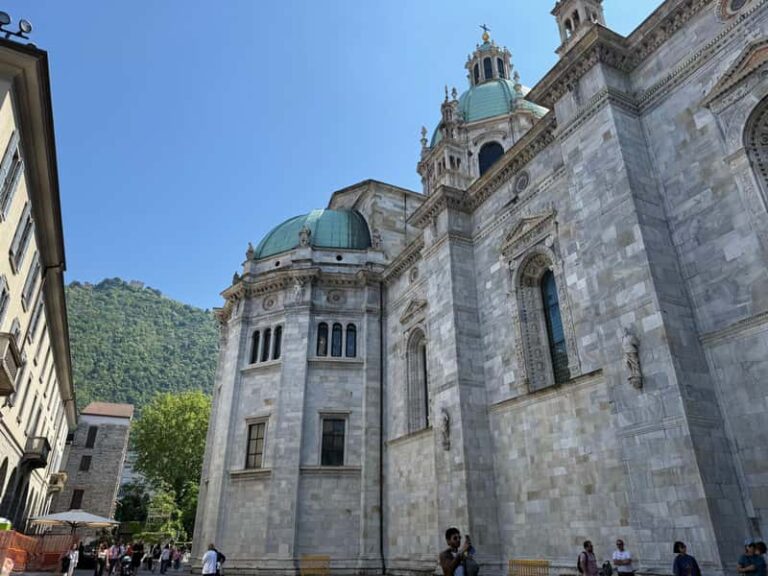
In Como’s historic center stands the Cattedrale di Santa Maria Assunta (the Duomo di Como), arguably the city’s most iconic monument. Address: Piazza Duomo, 22100 Como CO, Italy. Its construction stretches from the 14th to the 18th century, which explains the stylistic mixture: a façade both Gothic and Renaissance, baroque chapels inside and a splendid rose window. The nave and chapels are richly decorated with artworks, stucco and marble that tell the story of changing tastes and local patrons.
Opening hours (indicative): Duomo di Como — 7:30 to 19:00 on weekdays, 9:00 to 19:00 on Sundays (seasonal variations possible). Admission: visiting the Duomo is usually free, but a voluntary contribution of around €2–3 is requested for upkeep; certain areas or temporary exhibition rooms may charge €2–6.
Next to the Duomo is the Palazzo del Broletto (often simply called “Il Broletto” or “Broletto di Como”), the former seat of magistrates and municipal administration. Address: Piazza Duomo, 22100 Como CO, Italy (façade adjacent to the Duomo). Its cloister and Gothic hall now host temporary exhibitions and cultural events. The Duomo/Broletto pairing is one of the best-preserved examples of medieval civic space in Lombardy.
Practical tips: for an immersive visit, arrive early between 8:00 and 9:30, when light still filters into the nave and few tourist groups crowd the square. Then try to access the upper terrace if possible (check at reception): the views over Como’s roofs and the mountains are remarkable. Audioguides or brochures in French are often available for a small fee (€2–4). For photographers, the best angle for the façade is slightly to the left of Piazza Duomo in the evening when the light grazes the stone.
Click here to book a guided tour of the historic center
Piazza Cavour, the lakefront and the Tempio Voltiano
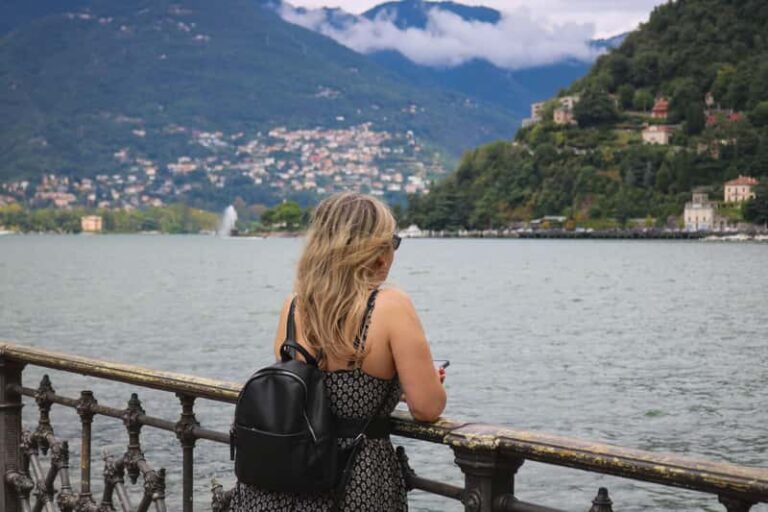
The lakeside promenade centers on the large Piazza Cavour, a true meeting point between the old urban fabric and lakeside life. Address: Piazza Cavour, 22100 Como CO, Italy. Boats to Bellagio, Varenna and other lake villas depart from here, and the square is lined with cafés where locals linger for an espresso or an aperitivo at sunset.
A short walk from Piazza Cavour is the Tempio Voltiano, a museum dedicated to Alessandro Volta, inventor of the voltaic pile. Address: Tempio Voltiano, Viale Geno, 22100 Como CO, Italy. The museum houses original instruments, letters and a historical reconstruction of electrical experiments. It’s a fascinating visit to understand the city’s link to science.
Hours and prices (indicative): Tempio Voltiano — usually open from 9:30 to 18:30 (hours vary by season). Admission: around €6.00 for adults, reduced €4.00 for students and seniors, children free or charged a nominal fee depending on the exhibition. Check temporary exhibitions that may raise the price.
Immersive description: from the viewpoint in front of the Tempio you can sense the lake’s curve, mountain reflections and, beyond, the silhouettes of villas lining the shore. The Tempio’s sun-bleached neoclassical façade is especially photogenic in the morning. Inside, soft lighting highlights the copper and glass instruments; you feel the almost-magical atmosphere of early electrical experiments.
Practical tips: combine the Tempio Voltiano with the Museo Civico Archeologico if you have time for a fuller understanding of the city’s past. If you plan a short lake cruise, buy tickets at the Navigazione Lago di Como ticket office on the promenade (Piazza Cavour) early in the morning to avoid queues. For lunch, lakeside restaurants serve local fish (persico in carpione); expect €15–25 for a main course in a decent trattoria. Also watch for the historical timeline panels along the promenade: they give quick context for the buildings you see.
Click here to book a boat excursion to Bellagio and Varenna
Recommended experiences in Como
The warm smell of coffee and the lap of the lake mix with the pass of a Vespa along the promenade.
1. Quick lakeside photo session
30 guided minutes for natural portraits in the alleyways and on the promenade: pose, walk, smile. Perfect to get pro-looking shots without losing your morning.
- ⏱️ Duration: 30 minutes
- 🚩 Start: Meeting point varies (historic center)
- 🎟️ Includes: Edited photos (20 as standard option)
- 🗣️ Languages: Italian, English, Portuguese, Russian
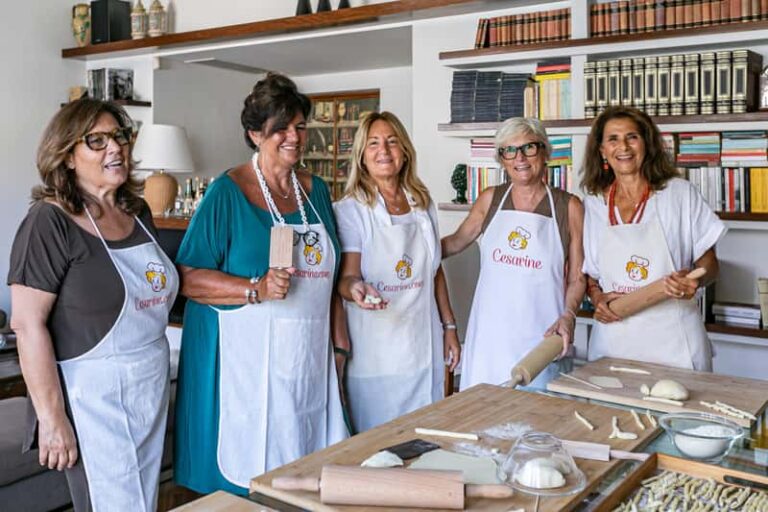
2. Ravioli workshop and tasting
Two hours to knead, shape and savor your ravioli with a glass of local wine. A hands-on, friendly experience—perfect for getting to know the lake’s flavors.
- ⏱️ Duration: 2 hours
- 👥 Format: Hands-on small-group workshop
- 🍽️ Meal: Tasting included with wine
- 🗣️ Languages: Italian, English
3. Brunate, funicular and panorama
Four hours combining the funicular, lake views from Brunate and a walk down to Villa Olmo. A mix of lakeside sunrise and local history.
- ⏱️ Duration: 4 hours
- 🚐 Transport: Funicular (included or optional depending on operator)
- 📍 Itinerary: Como Nord station → Brunate → descent to Villa Olmo
- 💡 Highlight: Panoramic views over the entire Lario
4. Guided walk + mini cruise
Three hours to explore the historic center, Piazza Cavour and finish with a narrated cruise past Cernobbio and Torno — ideal for spotting villas from the water.
- ⏱️ Duration: 3 hours
- 🛥️ Format: Guided walking tour + cruise
- 🚩 Start: Piazza Cavour, in front of Frigerio Viaggi
- 🗣️ Languages: English (guides available)
Basilica di San Fedele and the medieval lanes around San Fedele
The San Fedele quarter concentrates several gems of old devotion and Lombard architecture. Starting point: Basilica di San Fedele. Address: Basilica di San Fedele, Piazza San Fedele, 22100 Como CO, Italy. This Romanesque church, dedicated to the parish’s patron saint, has a stern façade and an interior nave decorated with paintings and preserved stuccoes. Nearby streets retain the feel of an old market, with antique shops and artisan workshops.
Opening hours: the basilica is generally open to the public from 08:00 to 12:00 and from 15:00 to 19:00 (approximate times; Mass may restrict access). Price: free entry, donations appreciated for maintenance.
Among the surrounding streets, don’t miss Via Giuseppe Mazzini and Via Vittorio Emanuele II (just a few steps away), where arcades and old shopfronts make you feel like you’ve stepped back in time. Wandering without a set route is an excellent strategy here: you’ll stumble upon small inner courtyards, façades with faded frescoes and shops specializing in local products (cheeses, cured meats, regional wines).
Practical tips: for lovers of sacred art, join one of the guided visits organized by the parish (often posted at the entrance): they allow access to chapels that are usually closed and share anecdotes about the noble families who funded the works. For a tasty break, look for a local pastry shop that serves « brioscia » and coffee: perfect for resting before climbing up to the Volta viewpoint.
Porta Torre, fortifications and markets: the defensive and commercial soul
One of the most striking images of Como’s old quarters is surely Porta Torre, the large medieval military tower that marked the city’s northern entrance. Address: Porta Torre, Piazza Santa Teresa (near), 22100 Como CO, Italy — the tower rises on the square close to the shopping streets. Built in the 12th century, Porta Torre is a massive stone structure with an imposing vertical silhouette: it testifies to the city’s defensive role against incursions.
The area around the tower has long been a commercial crossroads. Even today, weekly markets and seasonal fairs occupy the adjacent streets, offering clothing, food products and handcrafted goods. These events are the perfect opportunity to watch local life: the vegetable seller haggling, the grandmother choosing her basket of fruit, or the craftsman polishing a silver piece in his stall.
Access and hours: the tower itself can be viewed from the outside at any time; interior access depends on cultural events and guided tours (often occasional, fees vary between €3.00 and €7.00). Markets usually take place Saturday mornings in the central area, but smaller food markets can appear several days a week.
Practical tips: if you visit Como on a Saturday, allow time for the market and a stroll to Porta Torre. Wear comfortable shoes: the cobbles and steps can be slippery when it rains. For photographers, late afternoon light offers a dramatic contrast between the tower’s stone and the sky. Finally, if you like bargain hunting, bring cash: many vendors accept only euros in cash.

Villa Olmo, lakeside walks and shoreline panorama
A few steps from the old center, Villa Olmo embodies Como’s elegant, residential side. Address: Villa Olmo, Via Simone Cantoni, 1, 22100 Como CO, Italy. Built in the 18th century in a neoclassical style, the villa opens onto a large landscaped park that runs along the lake shore. The building hosts art exhibitions and cultural events, while the park is a favorite spot for walks, picnics and wedding photos.
Hours and fees: the park is free to enter all day; the villa and exhibitions have variable opening times (generally 10:00–18:00). Exhibitions typically charge between €5.00–€12.00 depending on the event. The park is especially pleasant in the late afternoon, when walkers, joggers and families mingle with the gentle sound of the waves.
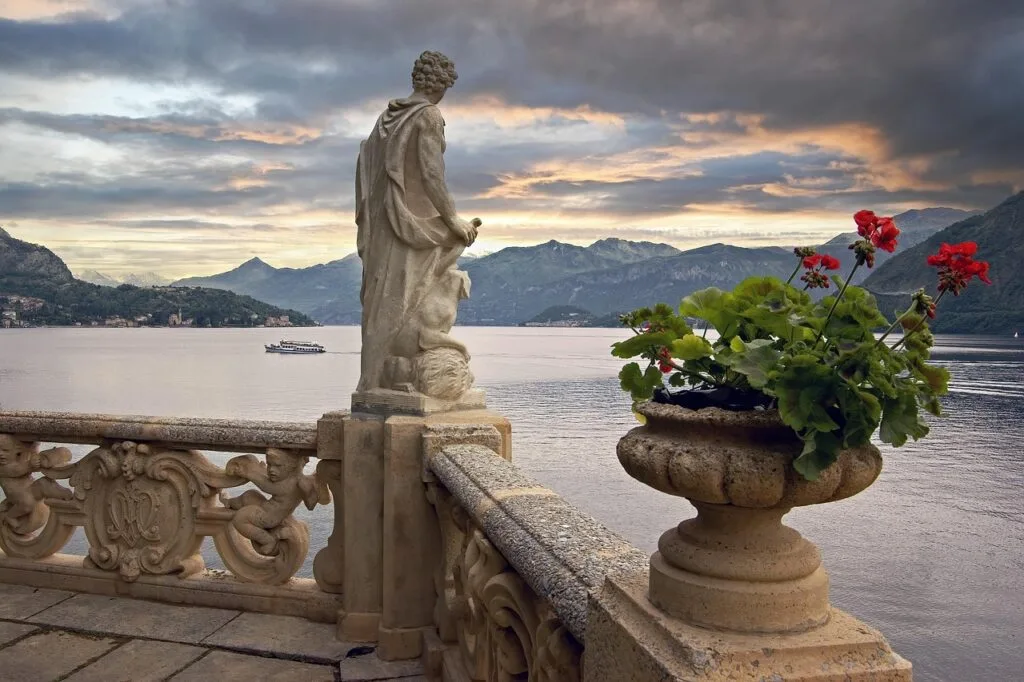
Immersive description: entering via the main avenue, you’re struck by the restrained elegance of the white façade and large windows opening onto the lake. Lawns descend in terraces to the water and offer shaded spots under century-old plane trees. The perspective from the central terrace frames the mountain line that closes the lake in the background perfectly. It’s also an ideal starting point to walk the lungolago toward the foot of the funicular up to Brunate.
Practical tips: bring a small blanket if you plan to picnic; while the park is generally clean, bins can be far away. If you visit an exhibition, check the city’s website or the tourist office for exact times and combined tickets (sometimes packages group Villa Olmo + Tempio Voltiano at a reduced price). For a great panoramic photo, head slightly east in the park where a discreet bench offers an unobstructed sunset view.
Local practical tips, recommended routes and hacks to make the most of your visit
Getting around: the historic center is fairly compact and easy to explore on foot. The most emblematic postcard route links Piazza Duomo, Piazza Cavour (lakefront) and Villa Olmo. Most museums and churches request a small contribution; always carry €10–20 in cash for minor tickets and nearby coffees.
- Getting around: Como San Giovanni station (Piazza del Popolo, 22100 Como) is a 10–15 minute walk from the Duomo. The funicular to Brunate departs from Como (Piazza De Gasperi): fare about €1.80–2.50 one way, hours roughly 06:00–22:00 (seasonal).
- Best time to visit: early morning or late afternoon on weekdays to avoid tour groups. Spring and autumn offer ideal light and fewer crowds than mid-summer.
- Clothing: non-slip shoes are recommended for cobbles and steps. In summer bring a hat and water; in winter a windproof jacket may be needed as the lake increases the felt cold.
- Food: try « persico alla griglia » (lake perch), local risottos and warm pastries from cafés. Meal budget: a main course in a trattoria €12–25, coffee €1.20–2.50 depending on location.
- Language and services: Italian is the main language; many shopkeepers speak English. Tourist offices offer good advice and provide maps and boat tickets (Via Vittorio Emanuele II, 22100 Como — central office).
Click here to book a funicular ride and boat stroll
Conclusion
Exploring Como’s old quarters on the shores of Lake Como is to touch an Italy that blends elegance, history and lively everyday life. From the Duomo di Santa Maria Assunta and the Broletto, with their stones steeped in civic and religious stories, to Piazza Cavour opening onto the vast lake, each site tells a different side of the city. Museums like the Tempio Voltiano honor Como’s historical commitment to science and innovation, while Villa Olmo and its gardens recall the neoclassical grace of lakeside villas.
This guide aimed to be both practical and evocative: you’ll find precise addresses (Piazza Duomo for the Duomo, Viale Geno for the Tempio Voltiano, Via Simone Cantoni 1 for Villa Olmo, Piazza San Fedele for the basilica), price ranges in euros and indicative opening times to plan your visits. The tips — when to come, what to wear, where to eat and which tickets to buy in advance — are meant to save you time and maximize the quality of your experience. Remember: Como’s wealth lies not only in its monuments but in how people use them: a quick caffè at the bar, a sunset walk along the lungolago, a chat with a market seller.
Finally, leave room for the unexpected: intentionally lose yourself down a narrow street, step into a small church not on the tourist maps and sit for a while on a bench facing the lake to watch the light change. These quiet moments are often the most memorable. Have a great trip to Como — may your visits be rich in discoveries and small moments of beauty.