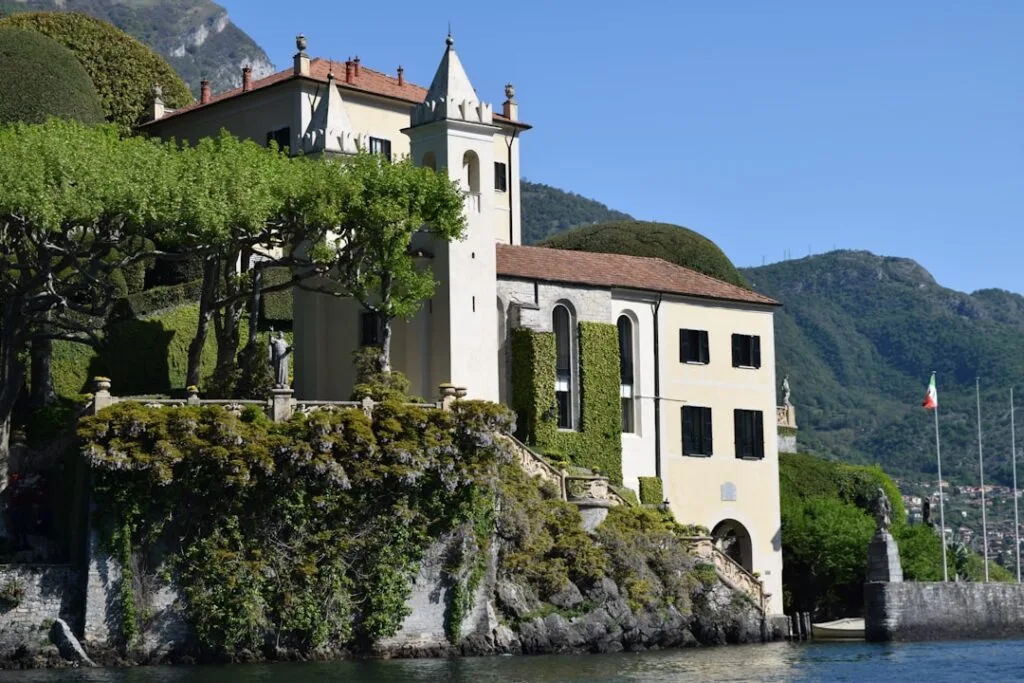






Introduction: Anecdotes and secrets of the great families of Lake Como
Lake Como, or Lago di Como, has for centuries been the refuge and playground of Europe’s great aristocratic and industrial families. Its shores edged with verdant hills, majestic villas and baroque gardens create a setting that attracted entire dynasties—from the Visconti and Sforza to the Trivulzio and Clerici families, up to modern magnates. But behind the perfectly groomed beauty lie anecdotes, land disputes, passionate affairs and closely held secrets. This article dives into those tales, walking the paths of famous villas, listening to local guides and digging through archives to reveal little-known stories and practical tips for the curious visitor.
You’ll discover astonishing stories: a villa turned into a wartime hideout, a family painting that changed identity, a gardener who made a fortune with an exotic hybrid, and a secret room where marriages were signed with major local consequences. We’ll also give practical info: exact addresses, opening hours, prices in euros, and insider tips for visiting (reservations, best times to avoid crowds, boat access, discreet parking). Lake Como reads like a social novel, each villa a page in a family’s rise, fall or social immortality.
For the traveler, knowing these anecdotes enriches the walk. Strolling the halls of Palazzo Gallio in Gravedona or admiring the terrace of Villa del Balbianello feels different once you know about the lavish parties hosted by its owners or the film scene shot there for a famous Hollywood blockbuster. From Bellagio to Varenna, via Tremezzo and Como itself, every stone holds a story. We’ve structured this text into themed sections: villas and gardens, family secrets and scandals, iconic spots and discreet routes, practical visit tips. At the end you’ll have a sensible itinerary to plan your exploration and a collection of anecdotes to share over a glass of local wine by the lake.
Before you go, remember this: the best way to approach Lake Como is with both curiosity and respect—curiosity for revealing private stories and respect for the private spaces still inhabited by descendants. Now, let’s set off on a journey where heritage, intimacy and mystery mingle with the deep blue water and the scent of lemon trees.
Villas and gardens: places, addresses and little-known stories
Among aristocratic residences, some stand out for their gardens, art collections or odd anecdotes. The Villa del Balbianello (Via Guido Monzino, 1, 22016 Tremezzina CO, Italy) is a must-see: panoramic terrace, pergolas and baroque staircases. Indicative entrance fee: about €14 (standard rate), typical hours 10:00–18:00 in high season (check the official site for seasonal variations). Anecdote: the villa served as a set for « Star Wars: Episode II » and « Casino Royale »—boosting its international fame and triggering tourist rushes. Online reservations are strongly recommended, especially on weekends, since access is via a narrow path or by boat from Lenno.
 Click here to book your guided tour of Villa del Balbianello
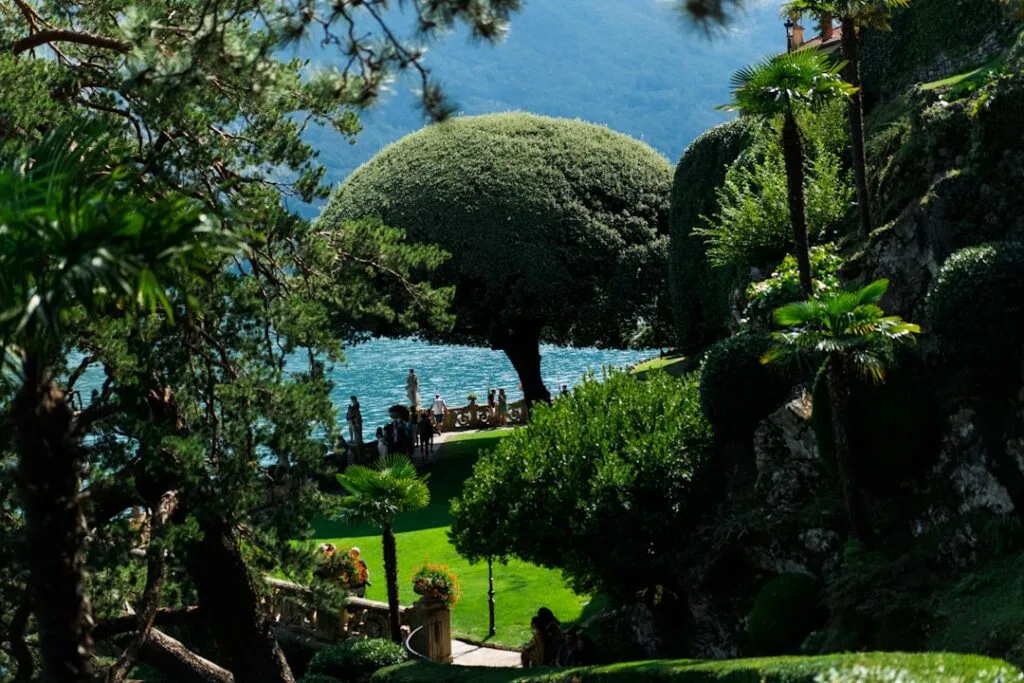
The Villa Carlotta (Via Regina, 2, 22016 Tremezzina CO), famous for its rhododendrons and camellias, offers a museum route and terraced gardens. Hours: usually 9:00–19:00 from April to October. Price: around €10 for the garden and museum. Curious history: the Clerici family, 19th-century owners, installed a collection including sculptures by Lorenzo Bartolini; a painting long attributed to an unknown master later revealed a hidden signature after a 2009 UV examination.
Click here to buy your ticket for Villa Carlotta
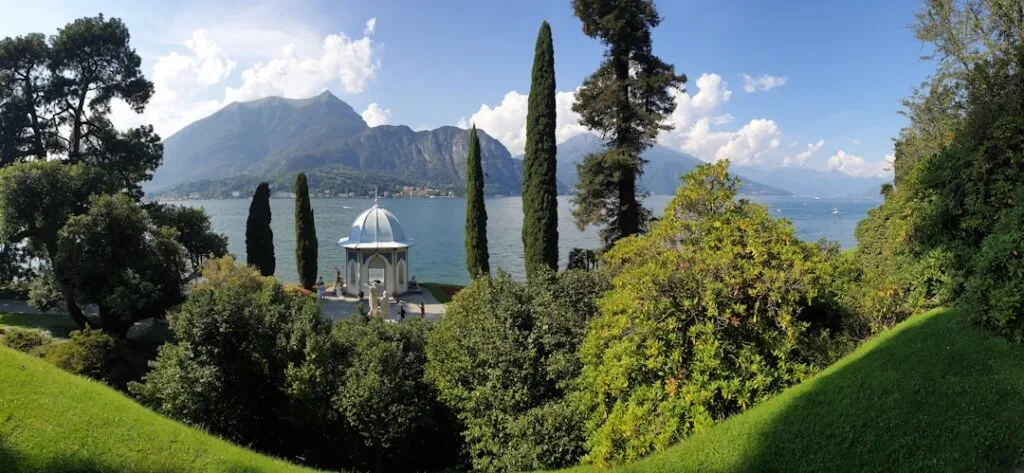
In Bellagio, the Villa Melzi d’Eril (Lungo Lario Manzoni, 84, 22021 Bellagio, CO) charms with its neoclassical statues and lakeside garden. Park access is paid (≈ €6); typical hours: 8:30–19:00. Local secret: a small discreet mausoleum inside contains the tomb of a Napoleonic officer, rarely mentioned in general guides, and on some summer evenings private concerts are held for a handpicked audience.
Finally, Villa Olmo (Lungo Lario Trento, 1, 22100 Como CO) boasts an imposing neoclassical façade, often used for exhibitions. Garden access is usually free, but interior rooms may require a ticket during temporary shows (prices vary between €5–€12). Practical tip: arrive early in the morning to enjoy a clear view of the Alps and an almost empty lakeside—perfect for photography.
Family secrets, scandals and inheritances: intimate tales from the lake
Lake Como’s great families have known fortunes, breakups and alliances whose echoes remain today. Take the Clerici family: historic owners of Villa Carlotta, they had to sell part of their collection after financial setbacks in the early 20th century. A painting long kept in a private room was sold in a secret auction in Milan. A local curator says passionate love letters between distant cousins were found in a walled hiding place during a restoration—revealing arranged marriages meant to preserve family assets.

Another striking anecdote: Villa del Balbianello changed hands several times and nearly faced demolition in the 20th century. Guido Monzino, an explorer and the last private owner before it was bequeathed to the FAI (Fondo Ambiente Italiano), spent his fortune restoring it. He set up a room dedicated to his polar expeditions, filled with objects brought back from Greenland and Africa. On a guided tour you can still see these mementos — tangible proof that a private villa’s history can become public heritage. Monzino long refused to open certain drawers containing family documents; it’s said these archives hold business agreements and marriage contracts that influenced property transfers up to the mid-20th century.
Scandals are common. In the 1960s, an inheritance dispute made local headlines: distant heirs fought over access to gardens and rental income from an east-shore villa. Lawsuits dragged on for years and revealed altered wills, contested signatures and documents dug out of Swiss safes. These cases pushed municipalities to tighten land registry rules and led notaries to demand greater transparency during property transfers.
For visitors, these stories appear as discreet plaques in villas, rooms closed to the public or temporary exhibitions that shed light on private episodes. Tip: if you’re into archives, contact the villa’s booking office or the town’s cultural center (for example, Ufficio Cultura di Tremezzo or Ufficio Turismo di Como); some sites exceptionally open their reserves to researchers by appointment.
Iconic sites, private routes and practical visiting tips
Exploring Lake Como is also about logistics. Traveling by boat remains the most immersive experience. Navigazione Laghi operates regular connections between Como, Bellagio, Varenna and other stops. Example: the direct route Como Nord (Piazza Cavour, 22100 Como) → Bellagio (Piazza Mazzini, 22021 Bellagio) usually costs between €11–€15 depending on the type of docking (traghetto or hydrofoil), and takes about 1h15 on a regular ferry. Times: first crossings from 06:30–07:30 depending on the season, later services in summer. Tip: buy tickets in the morning or online to avoid queues and choose an outside seat for the panoramic views.
A recommended route to uncover anecdotes and secrets: start from Como (Piazza Duomo, 22100 Como; Duomo di Como generally open 08:00–19:00, guided tour sometimes paid ≈ €3–€5), take the funicular up to Brunate for the view, then board to Bellagio for Villa Melzi. From there, a short crossing to Tremezzo brings you to Villa Carlotta; finish at Lenno and Villa del Balbianello. Allow at least 1h30 per stop for a decent visit.
Click here to book your Lake Como boat tour
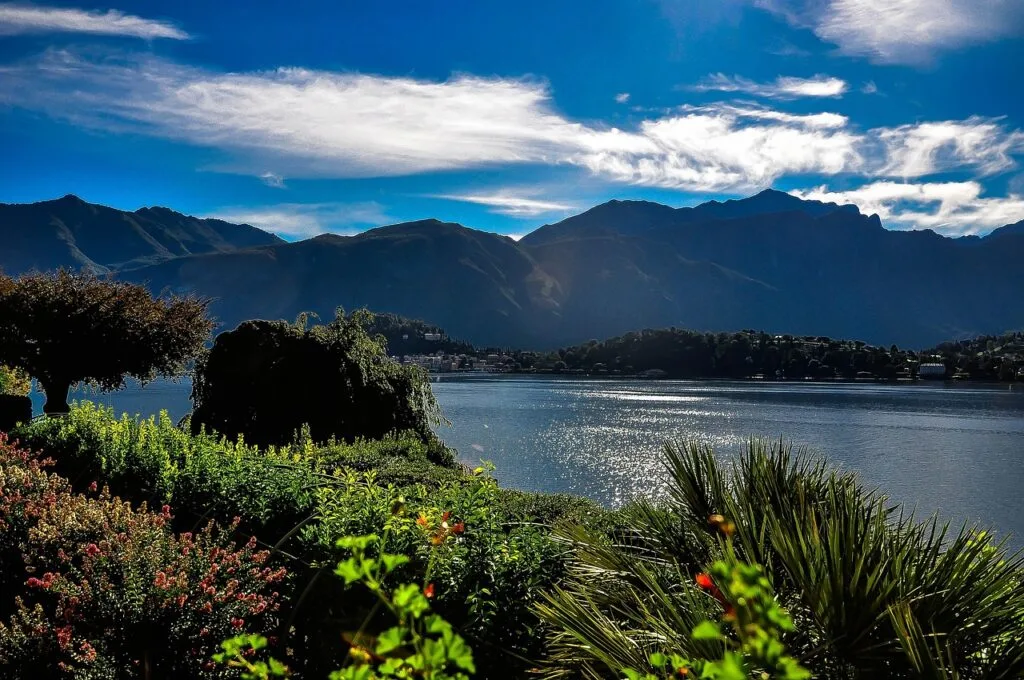
Local practical tips:
- Reservations: for Villa del Balbianello and Villa Carlotta, book online in advance especially from April to October.
- Best time: sunrise and late afternoon offer exceptional light and fewer crowds.
- Transport: combine ferry and local buses; the SPT (provincial) bus network connects more remote villages.
- Combo tickets: look for « Navigazione + entries » day passes to cut costs.
- Language: French-speaking guides may be available on request, but learn a few phrases in Italian (thank you = grazie) for politeness.
- Clothing: comfortable shoes for rocky paths and stairs, and a light jacket even in summer because the lake breeze can cool you.
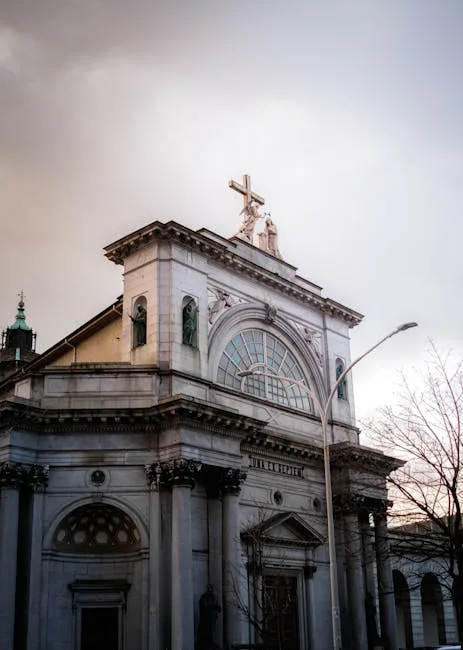
If you want to explore private spaces or join themed visits (botanical gardens, family archives, historical exhibitions), contact villa managers directly: for example, Villa Carlotta – Ufficio Accoglienza (Via Regina, 2, 22016 Tremezzina; phone on official site) and Villa del Balbianello via the FAI page. Finally, respect the rules: no drones without permission, frequent bans on touching works, and limits on indoor photography.
Which of these experiences best immerses you in the lake families’ secrets?
Each option reveals a different side of Lario: museum garden, explorer’s villa, private cruise or local cuisine — each obeying its own rhythms and customs. Choosing means deciding whether you want to follow material traces, guides’ confidences or family flavors.
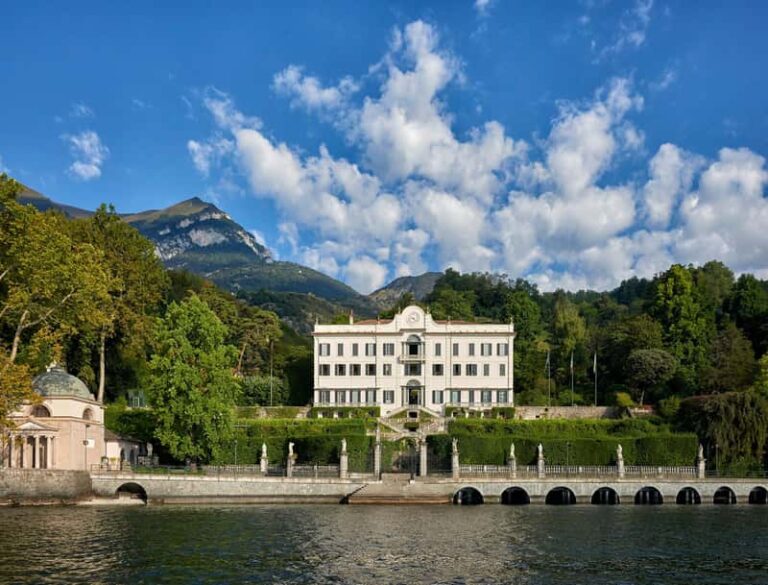
1. Villa Carlotta — garden and museum
Stroll through terraced botanic gardens and period apartments where fortunes and art sales are written into the walls. Ideal for those seeking artistic anecdotes paired with spectacular floral displays.
- ⏱️ Duration: 24 hours
- 🎟️ Included: Museum and garden ticket
- 💡 Highlight: Canova collections & lake views
- 🌅 Hours: 09:00–19:00 (Apr–Oct)
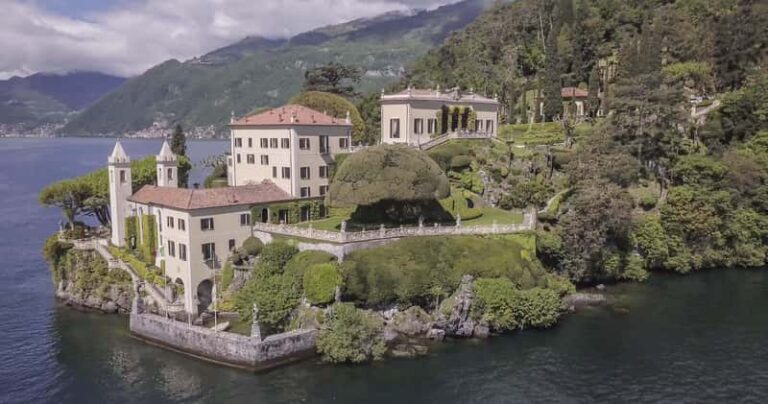
2. Villa del Balbianello — guided tour
A guided tour focusing on the villa’s intimate history and Monzino’s explorer objects, with cinematic anecdotes and access to areas usually closed to the public.
- ⏱️ Duration : 2–3 hours
- 🎧 Format : Guided tour
- 🗣️ Languages : Italian, English
- 🎟️ Access : Booking often required
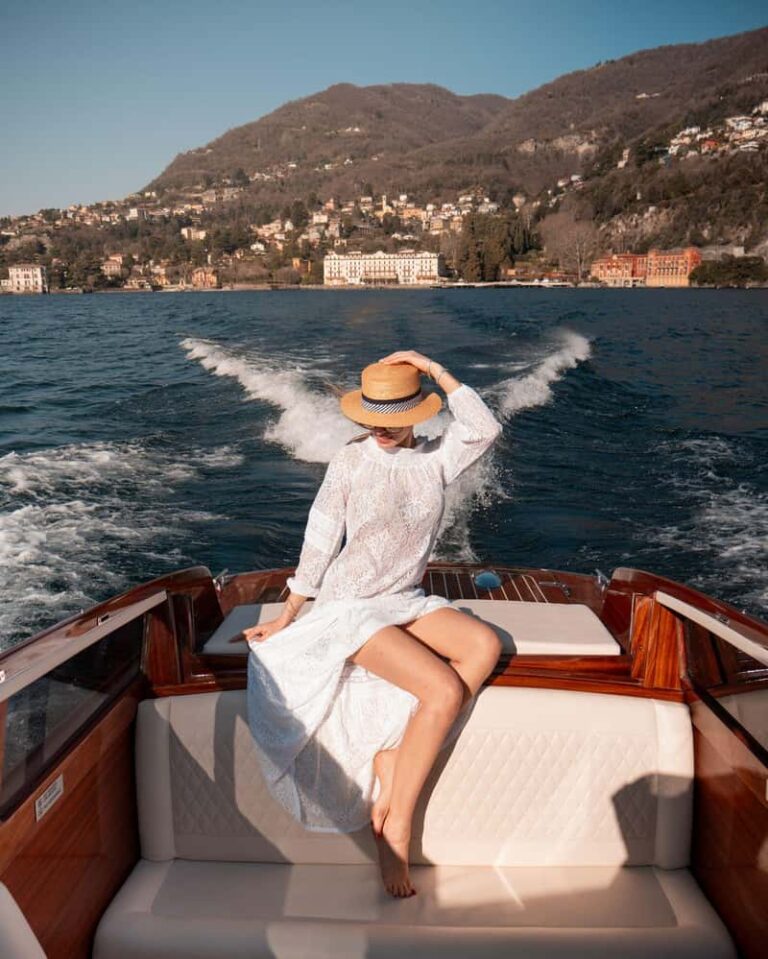
3. Private wooden-boat cruise
Tailor-made route with a storytelling captain: legends, villa tales and family routes seen from the water, discreet luxury and off-the-beaten-path photo stops.
- ⏱️ Duration : 1–8 hours
- 🚤 Transport : Classic wooden boat
- ⭐ Highlight : Captain’s narration and access to peninsulas
- ❌ Not included : Fuel surcharge possible
4. Cooking class & Villa Melzi
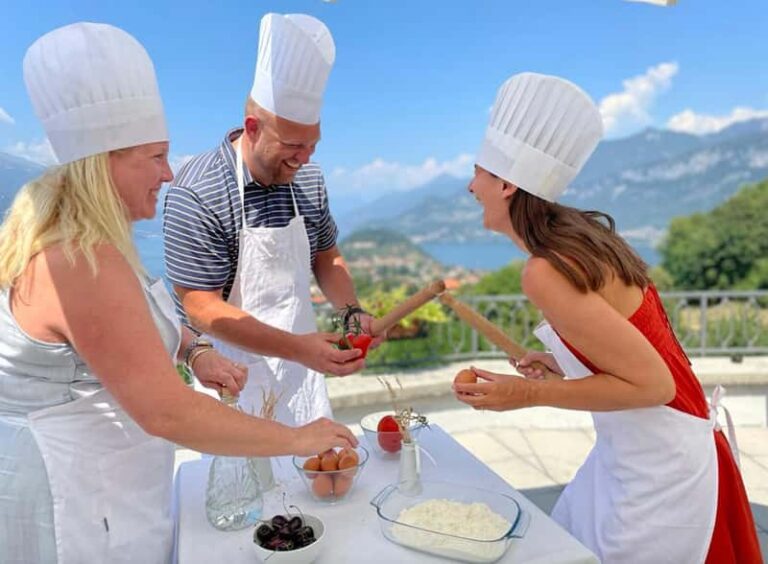
Hands-on workshop to master pasta and gnocchi, followed by lunch and a visit to Villa Melzi’s gardens: shared family tastes and heritage.
- ⏱️ Duration : 4 hours
- 🍽️ Meal : Lunch and wine included
- 👥 Group : Small group (max 6)
- 🎟️ Included : Villa Melzi gardens tickets
Food experiences and addresses tied to local families
Prominent families often left a mark on local cuisine: jam, liqueur and pastry recipes passed down are now served in cafés and guesthouses. In Como, head to Caffè Varenna (Piazza Duomo, 22100 Como) to taste cakes made from a traditional recipe — price for a coffee and pastry ≈ €6–€10. In Bellagio, Pasticceria Popp (Via Lungo Lago, 22021 Bellagio) offers a « biscotto della signora » handed down by a noble family; price per piece ≈ €1.50–€3.
For a more elaborate meal, Ristorante Mistral (Grand Hotel Villa Serbelloni, Via Roma, 1, 22021 Bellagio) serves refined cuisine with lake views. Tasting menu ≈ €90–€120 per person, usually open 12:30–14:00 and 19:30–22:00. Reservation essential. Tip: ask for lake fish dishes prepared using old local recipes for a full cultural immersion. Finally, for local wine and advice, family osterie along the SP583 keep cellars and labels that tell producers’ stories — often the best way to taste the lake’s history.
Click here to learn to cook traditional pasta on Lake Como
Conclusion : Traveling between history, intimacy and respect
Lake Como is not just an idyllic landscape; it’s a historical stage where prominent families have inscribed their names in stone, gardens and archives. The anecdotes we’ve mentioned — contested inheritances, treasures hidden in drawers, lavish parties or museum displays — add depth to visits. They let you see these villas not as mere backdrops but as characters in their own right, each carrying secrets and scars. The precise addresses, opening hours and prices provided will help you plan your route: Villa del Balbianello (Via Guido Monzino, 1), Villa Carlotta (Via Regina, 2), Villa Melzi (Lungo Lario Manzoni, 84), Villa Olmo (Lungo Lario Trento, 1) and Como landmarks like the Duomo (Piazza Duomo, 22100 Como).
Traveling to Lake Como also requires an ethic: respect privately lived-in spaces, follow managers’ rules, and treat booking as a courtesy that protects the place and enriches your experience. If you’re curious to go further, request access to municipal archives or temporary exhibitions — guides and curators often love to share rare documents with those interested in the living heritage of the area.
In short, let yourself be carried by the water, boat rides, cobbled lanes and stone steps; be surprised by a forgotten letter, a sculpture along a path, or the gaze in an old framed photo in a salon. These fragments of intimacy will connect you to the families who shaped this landscape, and you’ll leave Lake Como with more than a photo album: a feeling of having glimpsed the inner life of a world where history and the present coexist, fragile and splendid.