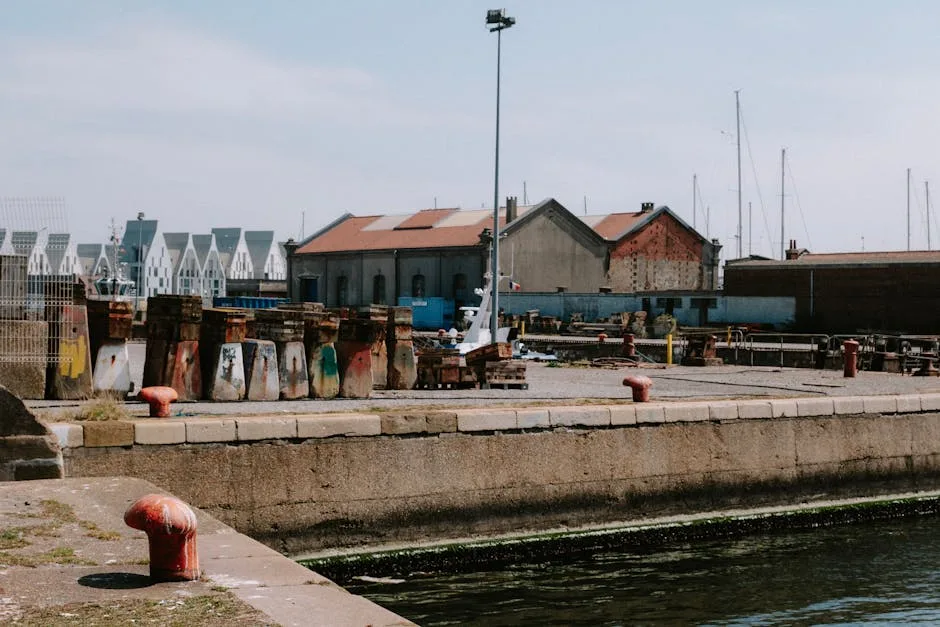






Introduction: Diving into Como’s industrial heritage and ports
Lake Como, famed for its grand villas, alpine backdrops and postcard-perfect villages, also hides a remarkable industrial legacy that shaped the area across the 19th and 20th centuries. Beyond manicured gardens and neoclassical facades, the lake’s shores were hubs of technical innovation, fine craftsmanship (notably silk) and boatbuilding expertise that still survives today. Exploring Como’s industrial heritage and ports helps you understand how the local economy revolved around navigation, spinning mills, shipyards and factories that harnessed hydraulic power and the lake and rail transport networks.
On this journey you’ll encounter museums like the Museo Didattico della Seta, scientific landmarks such as the Tempio Voltiano, repurposed weaving workshops, quays and basins that speak of bustling trade, and shipyards where wooden and fiberglass boats are still repaired. The ports of Como — from the large urban darsena to small village harbors in Bellagio, Varenna or Menaggio — were more than boarding points: they were logistical hubs enabling cross-Alpine and international trade, the circulation of goods (including silk) and the movement of workers and early tourists.
This guide is more than an inventory: it provides exact addresses, opening hours, indicative prices and practical tips for photographing, visiting and understanding these sites. You’ll also find recommendations on combining cultural visits with lakeside walks, how to reach sites by public transport, where to park, and which seasons best capture the ideal light on industrial facades and quays. Finally, local anecdotes and conversation starters for talking with artisans and guides will enrich your stay, so you return not just with images but with an intimate sense of the lake’s working and trading memory.
 Click here to book your Lake Como boat tour
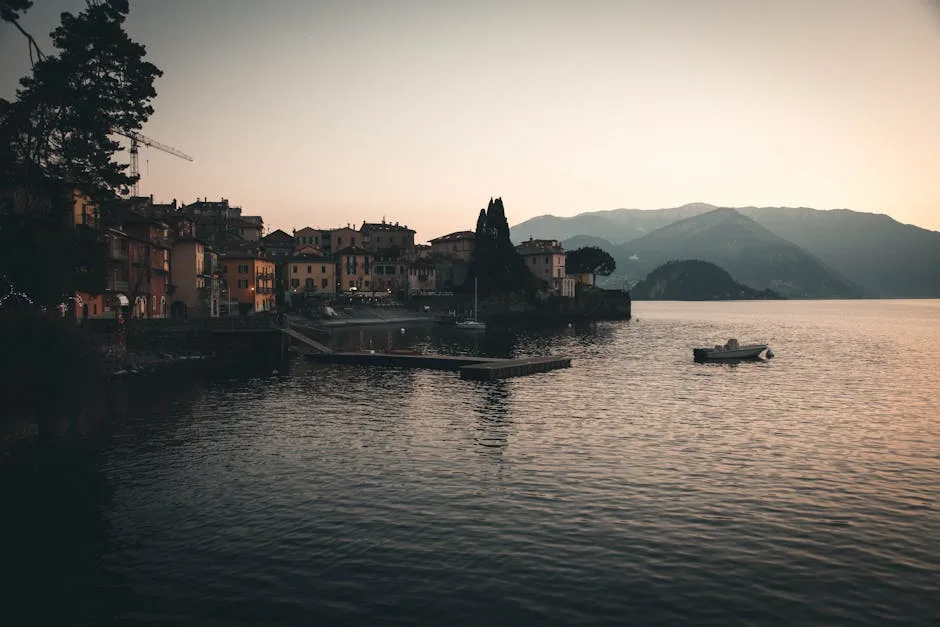
Museums and workshops: Como’s silk industry and working-class memory
The role of silk in Como’s economy is central: in the 19th century Como was one of Europe’s leading centers for silk production and processing. The Museo Didattico della Seta (Museo della Seta di Como), located at Via Castelnuovo 9, 22100 Como, is a must-stop. The museum displays mechanical and hand looms, samples of threads and fabrics, and educational demonstrations that trace the evolution from sericulture to textile manufacturing. Indicative opening hours: Tuesday–Sunday 10:00–17:00 (closed Monday). Indicative prices: €6–€10 for an adult ticket, with concessions for students and seniors. It’s advisable to book guided tours in Italian or English via the official website or the tourist office.
Another essential stop is the Tempio Voltiano, a museum dedicated to Alessandro Volta at Viale Giuseppe Volt, Lungo Lario Trento 2, 22100 Como. This neoclassical building exhibits scientific instruments and documents about the invention of the battery, as well as the importance of electrical applications for local industry and navigation. Hours: generally 9:30–18:30, closed on some holidays. Entry fee: around €6–€8. The site offers a lovely view over the darsena and pairs nicely with a stroll along the quays.
Click here to discover Como with a guided tour and commentary cruise

Don’t miss the old workshops and converted factories around Como station: streets like Via Borgo Vico and Via Sant’Abbondio still show facades of former workshops and industrial buildings now repurposed as cultural centers or contemporary art spaces. These structures tell the social history — workers’ housing, cooperatives, vocational schools — and today they serve as urban laboratories of innovation.
- Practical tip: for photos of looms, favor morning light and always ask permission before photographing demonstrations.
- Useful address: Ufficio Informazioni Turistiche Como, Piazza Cavour 12, 22100 Como — for bookings and maps.
Como’s ports and quays: the darsena, landings and shipyards
Como’s maritime character is visible along the city’s quays and in the harbors of neighboring towns. The main Porto di Como, often called the Darsena di Como, lies along Lungo Lario Trieste / Lungo Lario Trento (22100 Como). This is where Navigazione Lago di Como boats, water taxis and public ferries docking to Bellagio, Varenna, Menaggio and other villages are moored. Timetables vary greatly by season; in high season (April–October) regular services connect both shores from around 07:00 into the late evening. Indicative fares: short trips €2.50–€5.50; longer journeys (for example Como–Bellagio) €6–€12 depending on distance and boat type.
Click here to book a boat excursion to Bellagio and Varenna
Como’s historic shipyards, often called Cantieri Navali Comensi, are scattered between Como and nearby towns. Some workshops specialize in restoring wooden gozzi (traditional boats) while others build modern fiberglass hulls. Addresses vary, but a useful landmark is the port area near Via Borgo Vico and the Darsena district. Curious visitors can sometimes watch restorations or demonstrations by appointment.
Smaller harbors like Bellagio (Piazza Mazzini, 22021 Bellagio CO) or Varenna (Piazza San Giorgio, 23829 Varenna CO) offer a contrast: picturesque landings, small slips where fishermen moor their nets, and local workshops fixing outboard motors and hull fittings. These spots are great for observing the impact of tourism on lake life and hearing stories from captains and craftsmen.
- Practical tip: if you plan to hop between harbors, consider a day pass from Navigazione Lago di Como — it’s often cost-effective in high season.
- Parking: paid lots around the Darsena (Parcheggio Valduce, Parcheggio Stazione); arrive early in summer to secure a spot.
Routes and themed guided tours: blending industry with scenery
To make the most of Como’s industrial and port heritage, plan routes that mix museums, quays and workshops. A classic walk starts at Como San Giovanni station (Piazza Camerlata) — the arrival point for trains from Milan — then descends toward the Darsena via Via Maestri Comacini and the Lungo Lario. Along the way stop at the Museo Didattico della Seta (Via Castelnuovo 9) and the Tempio Voltiano (Lungo Lario Trento 2). Local guides (often bookable through the tourist office at Piazza Cavour 12) offer 2–4 hour circuits that include visits to family-owned textile businesses and workshops.
Click here to book a day trip to Como and Bellagio
For a more immersive experience, choose a themed “silk and boats” tour that combines the silk museum with a ship-repair workshop visit. These itineraries are sometimes arranged on request by cultural associations such as Associazione Amici del Museo della Seta. Fees: private guided tours typically range €80–€150 depending on duration and party size; group tours are usually priced per person (€10–€25).
Another suggestion: spend a half-day following the western shore from Como to Cernobbio (Via Regina 13, 22012 Cernobbio CO) to observe industrial villas, former warehouses and the beautiful Villa d’Este, then continue to Moltrasio and Carate Urio where old boatbuilding workshops can be found. Pair this with a boat crossing to sense the historical role of lake transport for heavy goods and textiles.
- Practical tip: bring closed-toe shoes if you visit shipyards or workshops; some sites may require PPE (helmet, vest) to enter working areas.
- Best time to go: spring and early autumn, when the light is soft and museum hours are generous without the summer crowds.
Local practical tips and photography recommendations for the heritage sites
Photographing industrial heritage and ports takes a bit of planning: contrasts, water reflections and building textures are your friends. For sunrise shots, position yourself on Lungo Lario Trieste facing the Darsena or on the Varenna pier to capture morning mist. In the afternoon the red and yellow facades of former workshops warm up beautifully, ideal for architectural portraits.

Some concrete tips:
- Permission: always ask before photographing inside private workshops or shipyards. Many artisans enjoy sharing their craft and are happy to be photographed if approached politely.
- Gear: a wide-angle lens for quays and factory halls, and a telephoto for isolating machine details or industrial signage.
- Transport: Navigazione Lago di Como is the easiest way to link harbors; check timetables in advance (official Navigazione Laghi site) and buy tickets at the darsena or online to avoid queues.
- Safety: obey signage in work zones and don’t walk onto unprotected quays — surfaces can be slippery.
Finally, for souvenirs tied to local industry, consider Como’s artisanal silk (ties, scarves): recommended shops are near Piazza Duomo and Via Giuseppe Garibaldi. Book lovers should hunt down the specialist bookstore focused on local history for guides and photographic archives that deepen understanding of Como’s industrial development.
Conclusion: preserving, understanding and living the lake’s industrial heritage
Como’s industrial heritage and ports are integral to the lake’s identity. They tell a story of economic transformation, technical innovation and human exchange that goes well beyond the picturesque scenery. Visiting silk factories, scientific museums like the Tempio Voltiano, or observing shipyards and quays allows you to read the layers of a place where craftsmanship and modernity intertwined.
Beyond historical interest, these sites offer living experiences today: educational workshops, weaving demonstrations, boat restorations and lake crossings that let you touch the trades still passed down through generations. The addresses mentioned — Museo Didattico della Seta (Via Castelnuovo 9), Tempio Voltiano (Lungo Lario Trento/Viale Giuseppe Volt), the Darsena di Como (Lungo Lario Trieste / Lungo Lario Trento) and the ports of Bellagio (Piazza Mazzini) and Varenna (Piazza San Giorgio) — are anchors for planning a rich and varied itinerary. Be sure to check hours and prices before you go: they can change with the season and temporary exhibitions.
Finally, approaching Como’s industrial heritage also means practicing respectful tourism: leave sites clean, ask permission before taking photos, support local workshops and prefer guided tours that fairly compensate the people and associations preserving this legacy. With curiosity, respect and practical preparation, your discovery of the lake will gain depth: you’ll leave not just with beautiful photos, but with the living memory of a region that turned work into culture and its port into a gateway to the wider world.