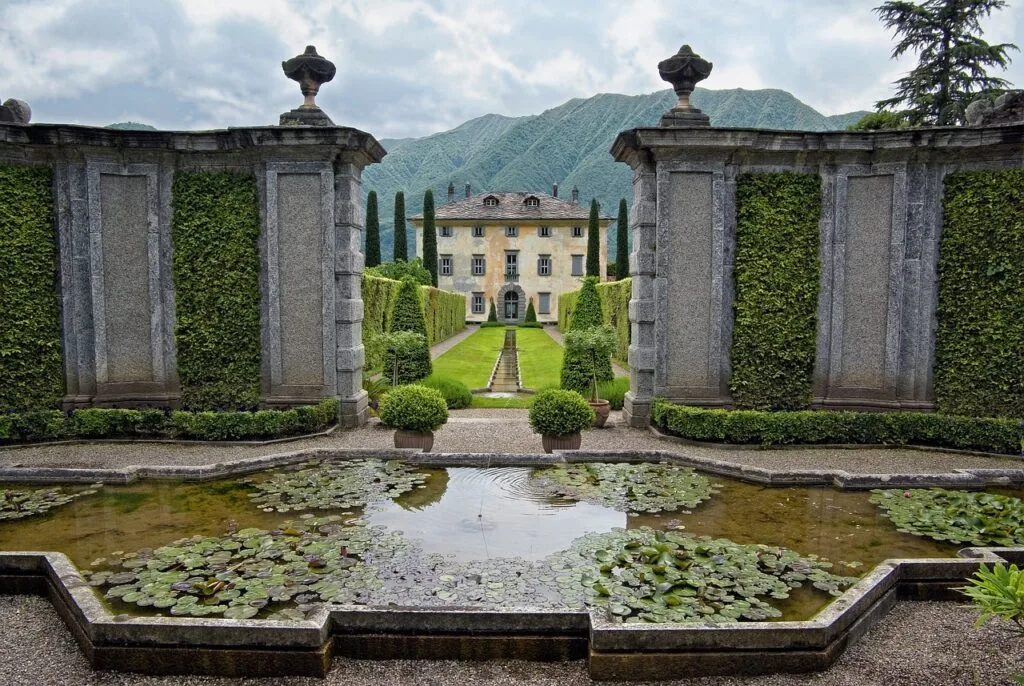






Introduction: A dive into the intimate history of Lake Como
Lake Como (Lago di Como) in Lombardy is one of Italy’s most evocative lakes: mirror‑like waters fringed by pastel villages, steep mountains plunging into the water, and above all a local history rich with characters, dramas, inventions and popular anecdotes. While many visitors stick to boat rides and postcard photos, Como’s soul is revealed in its cobbled lanes, hidden villas, silk museums and the small stories passed down through generations. This piece offers a chronological and thematic stroll through the places and tales that shaped the region’s character.
The town of Como itself is a microcosm of stories: the Duomo of Como (Cattedrale di Santa Maria Assunta) houses sculptures and portals that tell centuries of rivalries, while the Tempio Voltiano celebrates one of the area’s most famous sons, Alessandro Volta, inventor of the electric battery. Around the lake, palatial villas such as Villa Carlotta, Villa Olmo and Villa del Balbianello reflect the neoclassical and romantic tastes of Europe’s 18th and 19th‑century elites — places that witnessed royal weddings, lavish receptions and sometimes political intrigues.
But Como isn’t just prestigious monuments: it’s also the silk industry, born from artisanal know‑how that made the town’s economic reputation; the ripples of local politics that sometimes used ingenious means to exploit the strategic lakeside position; and small popular tales — the fisherman who allegedly became a baron, the English nobleman who « bought » an entire village by mistake. Local anecdotes reveal both grandeur and intimacy: legends of secret passages, rivalries between weavers’ families, and regional culinary traditions tied to the lake (perch and missultin, the dried « missoltino »), all speaking to how residents relate to their environment.
In this overview you’ll find detailed descriptions of monuments and villas, their exact addresses, usual opening hours, entrance fees in euros, and practical tips — where to park, when to come to avoid crowds, which boat ticket to choose, and how to combine visits to optimize your day. I stress the importance of context: several sites have seasonal access or variable prices depending on temporary exhibitions, so it’s wise to check before you go. Finally, to feed your imagination, mental images and photo suggestions are included so you’ll leave not only informed but with lasting pictures of Lake Como.
 Click here to book a boat tour of Lake Como
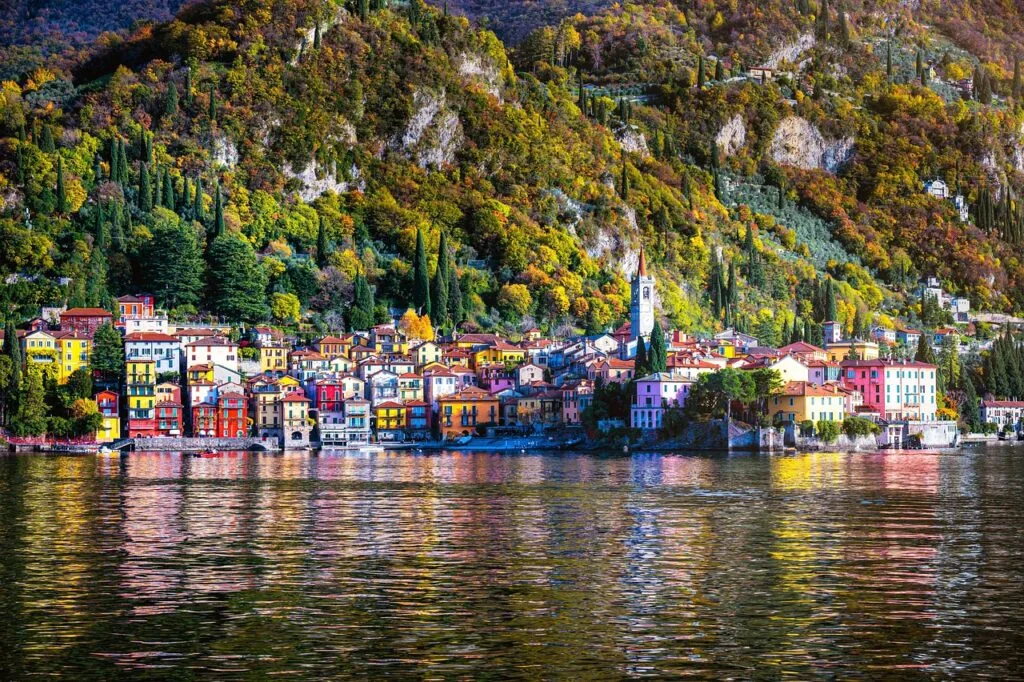
Must‑see monuments and their anecdotes
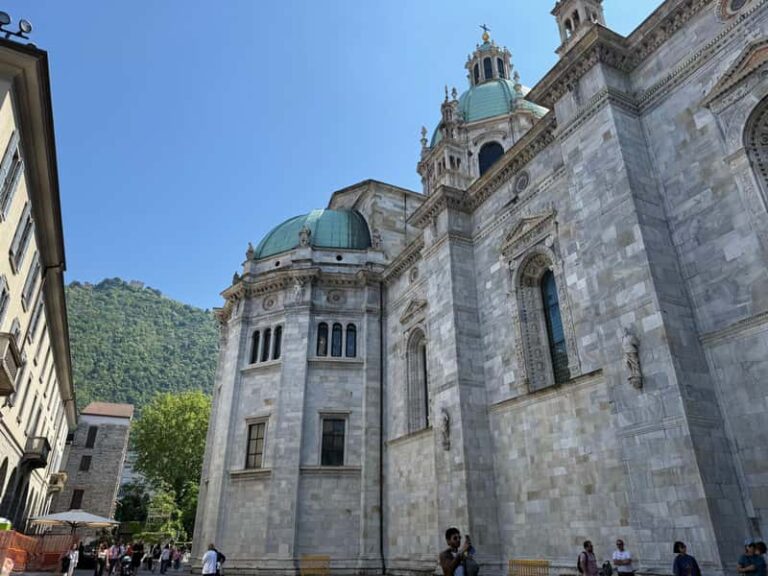
Let’s start in the historic heart: the Duomo di Como (Cattedrale di Santa Maria Assunta) sits on Piazza Duomo, 22100 Como CO, Italy. Its Gothic façade with Renaissance elements is visible from the main square. Exact address: Piazza Duomo, 22100 Como CO, Italy. Usual hours: Monday–Sunday, 7:00–19:00 for cathedral access (times vary with masses and events). Entrance fee: the cathedral is generally free, but access to some chapels and the treasury may be charged (about €3–€5 depending on the exhibition). Anecdote: it’s said that in the 16th century a master sculptor hid a small salamander carved into a capital to get back at an overly strict patron; locals claim night owls watching the façade during the blue hour can still spot this cheeky mark.

A short walk away, the Tempio Voltiano (Largo Museo Voltiano, 3, 22100 Como CO) is dedicated to Alessandro Volta, native of Como and inventor of the battery. Address: Largo Museo Voltiano, 3, 22100 Como CO. Hours: generally 9:00–19:00 (winter closures may vary), admission: around €6. Immersive description: the museum stands on the lakeside promenade and its neoclassical façade seems to watch over the water. Inside, instruments, letters and models illustrate Volta’s life. Anecdote: Volta’s battery was first shown to Emperor Napoleon Bonaparte, who awarded the scientist a grant; local tales say Volta once received a nocturnal visit from a craftsman who came to « test » the battery on a loom to try to automate a rotation — an idea ahead of its time for Como’s textile economy.
The Museo Didattico della Seta (Educational Silk Museum), located at Via Castelnuovo, 9, 22100 Como CO, tells the industrial story of silk, the economic heart of Como since the 19th century. Hours: 10:00–18:00 (closed some Mondays), admission: €6–€8. Description: jacquard machines, looms and fabric samples show techniques and the production chain. Tasty anecdote: it’s said that in the mid‑19th century three weavers’ families fought over the recipe for a particular dye — their descendants still claim to hold the original « shadow dye, » a brown pigment much prized by workshops in Milan.
Click here to discover the town of Como and its guided cruise
The villas of Lake Como: stories and secrets
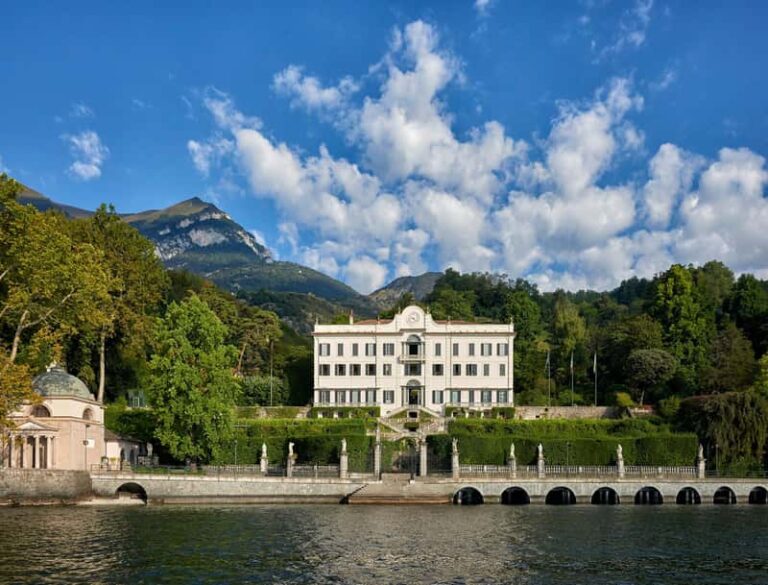
The lake’s shores are dotted with villas whose gardens and salons have hosted love affairs, duels of honor and sometimes political alliances. Among the most famous, Villa Carlotta is located at Via Regina, 2, 22016 Tremezzo CO. Usual hours: 9:00–19:00 (April 1–October 31; reduced hours in low season). Price: €13–€15 for combined garden and museum entry (indicative). Immersive description: the neoclassical villa has a spectacular botanical garden, azaleas and rhododendrons in spring, and terraces overlooking the lake’s west bank. Anecdote: the name « Carlotta » recalls Duchess Charlotte of Prussia, wife of Prince Giovanni Battista, who largely shaped the villa; it’s said the duchess imported rare seeds from England and cultivated a small patch of black roses — a legendary variety said to bloom only for visitors of royal birth.
Click here to book your ticket for Villa Carlotta
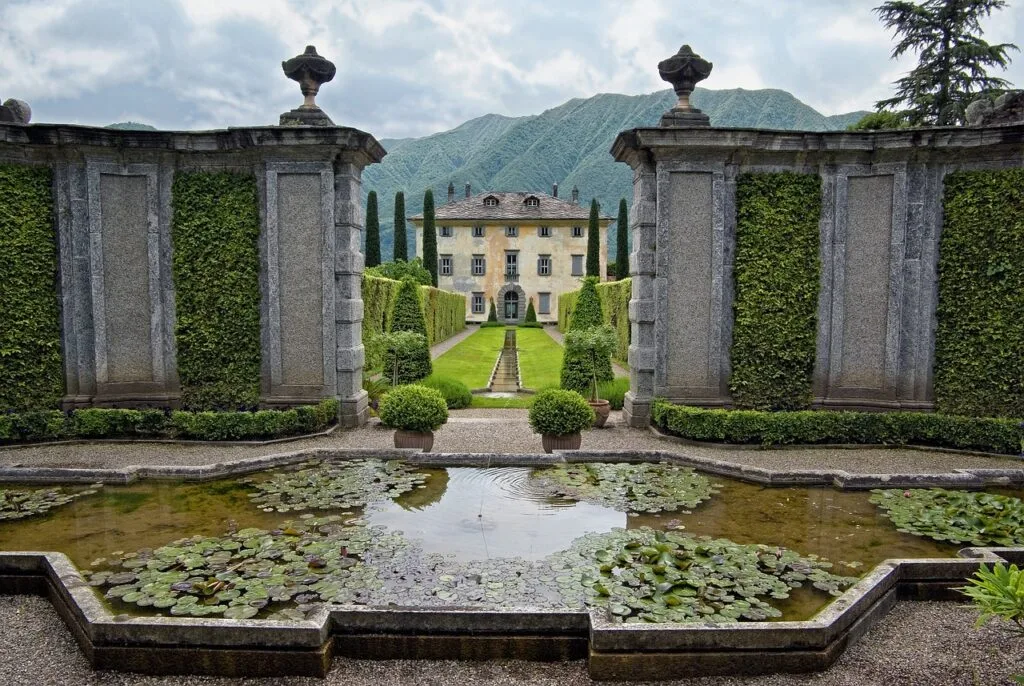
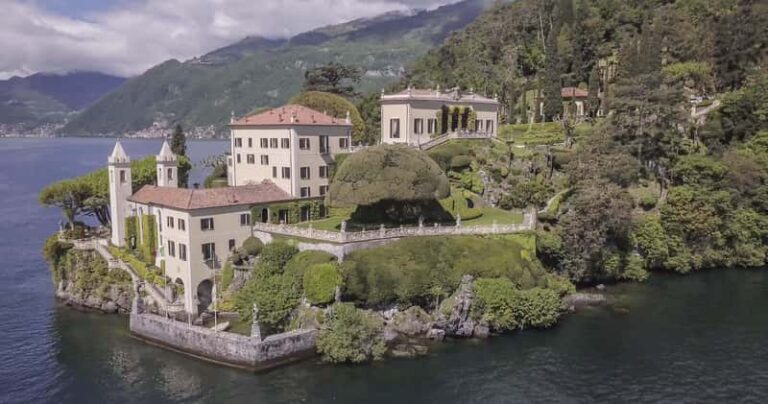
Further north, on the Lavedo peninsula, stands Villa del Balbianello (Via Guido Monzino, 1, 22016 Tremezzina, Lenno CO). Opening hours: winter closure varies; generally open April–October 10:00–18:00 (check before visiting). Price: €11–€15 (guide + garden fee). Description: famous for its panoramic terraces and alleys lined with clipped yews, the villa belongs to the FAI (Fondo Ambiente Italiano) and has been a film location (including scenes from Star Wars and Casino Royale). Notable anecdote: an Italian baron and collector, Guido Monzino, turned the house into a cabinet of curiosities; he reportedly brought back a black stone from a Himalayan expedition and placed it near the south terrace, claiming it brought luck to anyone who brushed it — guides say some visitors laugh and dare to touch it to ward off bad luck.
Click here to book your guided tour of Villa del Balbianello

Finally, Villa Olmo (Viale Vittorio Emanuele II / Viale Pasubio / Viale Milano, 84, 22100 Como CO) is a neoclassical palace facing the lake. Address: Viale Milano 84, 22100 Como CO. Gardens free to enter; museums or events may be paid. Hours: gardens open all day, museums and exhibitions per schedule (often 10:00–18:00). Price: variable (temporary exhibitions €6–€12). Immersive description: its large lawns and lakeside promenade make it a favorite spot for locals; the imposing façades reflect in the water on calm days. Local anecdote: during the Napoleonic occupation, Villa Olmo is said to have served as headquarters for some officers; locals recall coded messages being sent by smoke signals from the terrace to the opposite shore — a technique that later became a folkloric tale for neighborhood children.
Which experiences to choose to feel the soul of Lake Como?
Whether you prefer historic gardens, perched viewpoints or hands-on food workshops, each option highlights a different side of the lake.
1. Villa Carlotta — gardens and museum
Botanical garden and museum combined: between neoclassical sculptures and lakeside terraces, wander among azaleas and camellias and climb to the private apartments for a leap into the 19th century.
- ⏱️ Duration: 1–2 h
- 🚩 Meeting point: Present your voucher at the entrance (Via Regina, Tremezzo)
- 🎟️ Included: Garden + museum ticket (entry included)
- 💡 Highlight: Views of Bellagio and art collections
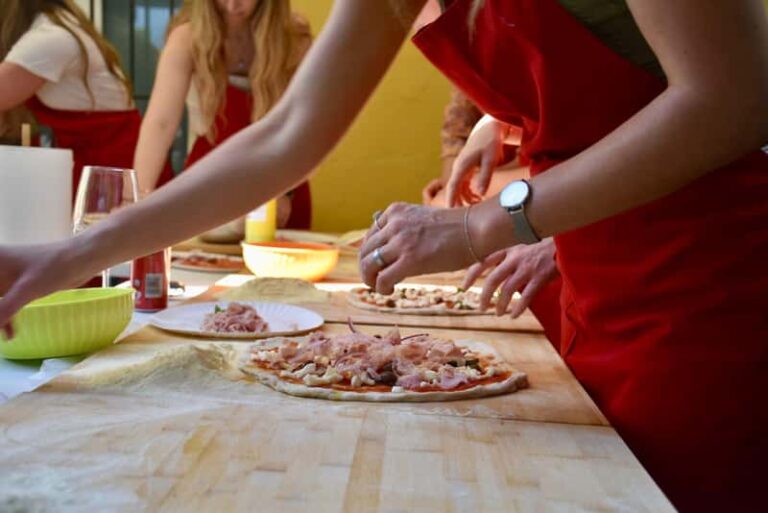
2. Pizza workshop with a pizzaiolo
Get your hands in the dough: a 2.5–3 h workshop to master kneading, shaping and wood‑fired baking, then enjoy the pizza you made.
- ⏱️ Duration: 2.5–3 h
- 👥 Format: Small-group workshop, individual station
- 🍕 Meal: Lunch/dinner included with your pizza
- 🗣️ Languages: English (led by a local pizzaiolo)
3. Villa del Balbianello — guided tour
Guided tour of the terraces and interiors: tales of the collector‑traveler, film sets and expedition objects that tell the story of Guido Monzino.
- ⏱️ Duration: 2–3 h
- 🚩 Meeting point: Variable meeting location (Tremezzina)
- 💡 Highlight: Preserved interiors and exceptional views
- 🗣️ Languages: Italian, English
4. Walking tour and ascent to Brunate
Urban circuit and funicular climb for a lake panorama, visit the Duomo and Villa Olmo, with practical tips on restaurants, gelaterias and shops in the center.
- ⏱️ Duration: 4 h
- 🚩 Meeting point: Como central station
- 🚶 Format: Guided walking tour + funicular
- 🗣️ Languages: English, Indonesian
Little stories and characters connected to Como
The Lake Como area has produced and attracted many colorful personalities. Alessandro Volta (1745–1827), born in Como, is one of the region’s sons. The most told anecdote about Volta is the “battery that lit up a town”: during an official visit he used an electrical demonstration to light a row of lamps at a nighttime lakeside festival, creating a spectacle that drew patrons and funding. The Tempio Voltiano preserves letters and instruments showing how famous Volta was across Europe.
Another notable figure is Carla Maria Luisa de Bourbon, who frequented local salons; her presence helped popularize balls and receptions that left their mark on villa architecture. More unusual is an old lake legend about a fisherman named Giovanni (19th century) who supposedly saved an English nobleman in distress during a storm; in thanks the noble gave Giovanni a plot of land and some gold coins. Today the claimant’s family is said to run a small local silk workshop that still operates, offering woven souvenirs made by a method passed down from father to son.
Como’s industrial past also feeds other little tales: last century the town exported luxury ties and fabrics to Paris and London. A frequently told alleyway story is the rivalry between two weaving workshops, one run by the Bianchi family and the other by the Rossi. To celebrate a peace agreement they organized a « tie‑knot parade » on Piazza San Fedele where each workshop showed its best ties; the tradition became an annual local festival, now replaced by a craft market but still keeping the memory of the textile challenge.
Click here to discover Como’s historic centre

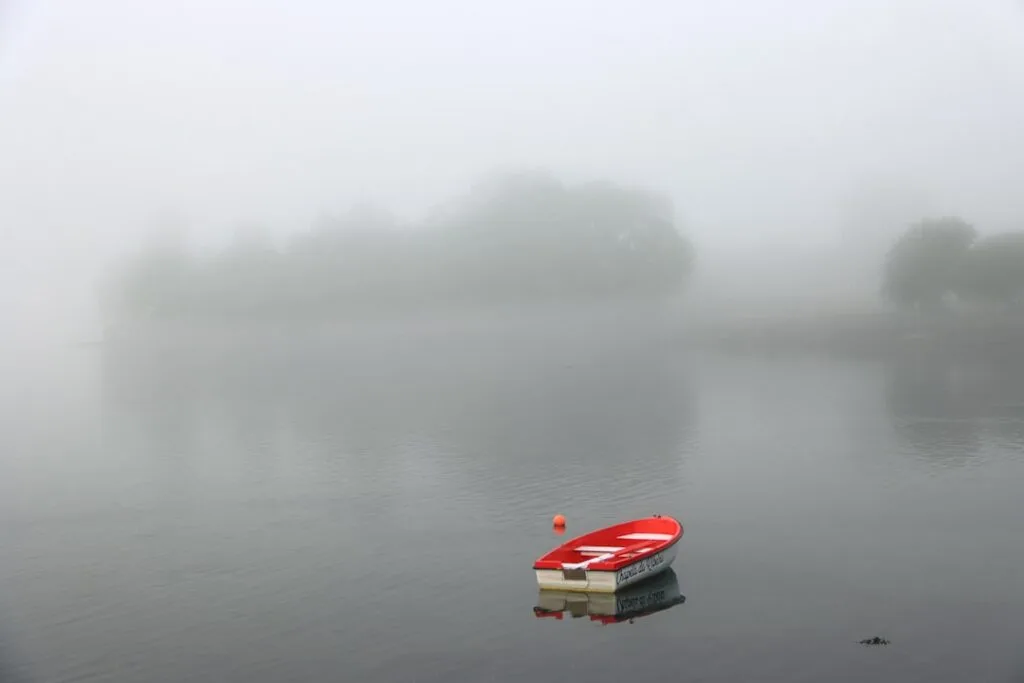
Finally, let’s not forget the lake legends: the « fata del lago, » a protective lake fairy, would sometimes warn fishermen with an unusual ring of mist. These tales taught children lake safety: don’t go too far without courage, know the currents and respect fog hours. This intangible heritage is integral to local identity and appears in festivals, stories and themed guided tours offered by tourist offices.
Practical tips, addresses, opening hours and prices for visitors
Visiting Como efficiently requires a few practical pointers. Let’s start with access and parking: if you arrive by car, two central car parks are often recommended — Parcheggio Valduce (Via Regina Teodolinda, 12, 22100 Como CO) and Parcheggio Lungolago near the lakeside promenade. Rates: around €1.50–€2.50 per hour in peak season. Local tip: park early in the morning (before 9:00) to get spots close by and walk the promenade at sunrise.
Public transport and boats: Navigazione Lago di Como runs regular services. Indicative fares: Como → Bellagio €5.20–€7.50 on a fast shuttle; Como → Varenna or Tremezzo similar fares; combined day tickets about €20–€30 depending on route. Schedules: first crossings around 6:30–7:30, last crossings vary by season (often 18:00–20:00 in summer). Tip: to photograph villages from the water, favor early morning or late afternoon crossings for golden light and fewer people.
Click here to book a boat trip to Bellagio and Varenna
Restaurants and local specialties: try lake perch (persico), polenta served with fish dishes, and missoltino (dried freshwater fish). Recommended spots: Ristorante « La Vita è Bella » (Via Plinio, 3, 22100 Como CO) for local cuisine (average price: €25–€45 per person), Osteria del Gallo (Piazza San Fedele, 5, 22100 Como CO) for a rustic vibe (dishes €12–€25). Tip: lakeside restaurants impress with views but charge more; for great value, choose trattorie in the nearby alleys.

Guided tours and passes: to cut costs, several tourist offices offer combo passes (museums + boat) that can be cheaper if you plan to visit multiple sites in one day. Practical example: buy Villa del Balbianello tickets online (pre‑booking required on some days) and Villa Carlotta tickets to avoid summer lines. Tip: English/French guided groups often start from Piazza Duomo or the Como harbour; check if your hotel offers shuttles or partnerships for mini‑tours.
Safety and heritage respect: do not climb garden walls, obey « no swimming » signs where bathing is forbidden, and avoid picking rare plants in protected gardens. For weather, the lake’s microclimate can change quickly: always bring a light jacket and a compact umbrella even in summer.
Practical addresses and opening hours summary (selection)
- Duomo di Como — Piazza Duomo, 22100 Como CO. Opening hours: 7:00–19:00. Entry: free/€3–€5 for special sections.
- Tempio Voltiano — Largo Museo Voltiano, 3, 22100 Como CO. Hours: 9:00–19:00. Admission: ~€6.
- Museo Didattico della Seta — Via Castelnuovo, 9, 22100 Como CO. Hours: 10:00–18:00. Admission: €6–€8.
- Villa Carlotta — Via Regina, 2, 22016 Tremezzo CO. Hours: 9:00–19:00 (seasonal). Admission: €13–€15.
- Villa del Balbianello — Via Guido Monzino, 1, 22016 Tremezzina (Lenno) CO. Hours: variable, seasonal. Admission: €11–€15 (pre‑booking recommended).
- Villa Olmo — Viale Milano, 84, 22100 Como CO. Gardens free, exhibitions per schedule (≈€6–€12).
- Parking Valduce — Via Regina Teodolinda, 12, 22100 Como CO. Rate: €1.50–€2.50/hour.
Conclusion: Why local anecdotes enrich your visit
Lake Como is more than a string of postcard views: it’s a place where official history mixes with popular tales, local inventions and family dramas that left visible marks on the architecture and social fabric. Anecdotes — whether about the mischievous sculptor of the Duomo, the baron who collected at Villa del Balbianello, or rivalries between silk workshops — humanize the site and give visitors emotional points of connection. Knowing these stories turns a simple photo into a living memory: you no longer just see a façade, but the past that shaped it.
Taking the time to stop, chat with a local guide, pop into a small museum or buy a tie from a weaver’s shop lets you gather pieces of history not found in big books. These local episodes, often handed down orally, reveal how residents adapted to seasons, markets and political twists. They also show how the lake was lived: source of food, transport route, social mirror and stage for public spectacles. That’s why I recommend combining cultural visits (Tempio Voltiano, Museo della Seta), immersive walks (Piazza Duomo, lungolago) and villa explorations (Villa Carlotta, Villa del Balbianello) for a complete view.
One last practical tip before you go: plan visits around seasonal hours and book villas online when possible. Wear comfortable shoes for cobbles and garden paths, and bring a small pair of binoculars if you enjoy spotting façade details or lake birds. Finally, leave room for the unexpected — the best anecdote can spring from a chance chat with a shopkeeper, an impromptu guided tour or a view that shifts with the wind. That way your stay at Lake Como will be not just photogenic, but truly memorable, woven from the little stories that make a place great.