





Introduction
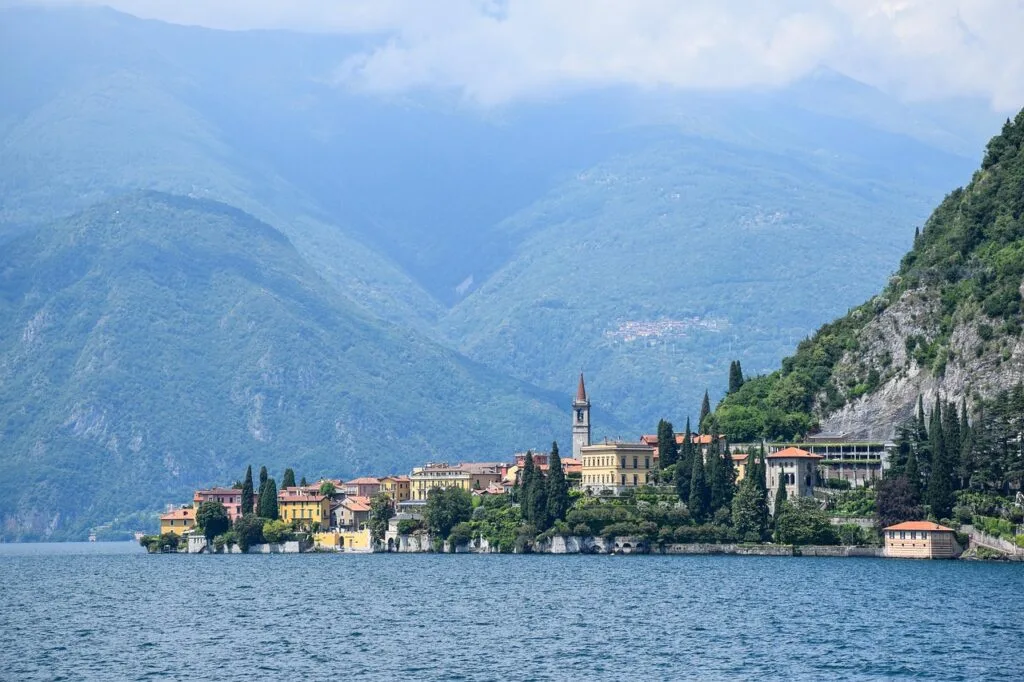
Lake Como (Lago di Como) is one of Italy’s most photographed jewels: a Y-shaped stretch of water, historic villas clinging to the shoreline, mountains fading into mist, and villages with cobbled lanes where evening light glances off pastel facades. As a travel photographer, planning a photo route around Lake Como is more than just pointing your camera at a pretty view: you need to anticipate the light, know the best perspectives, time your visits around busy hours, and choose spots that tell visual stories — villas and gardens for architectural detail, lakeside promenades for reflections, and mountain viewpoints for sweeping panoramas.
This article lays out a full, immersive photo itinerary with precise waypoints: full place and monument names, exact addresses, price estimates in euros, typical opening hours, detailed descriptions and practical local tips. The focus is on especially photogenic spots accessible from the main gateways (Como, Lecco, and the central ferry network). Whether you’re chasing sunrise shots of villas, perfect backgrounds for portraits, or minimalist scenes shrouded in morning mist, this itinerary will guide you hour by hour and stop by stop.
Shooting Lake Como also means working with weather and seasonality: spring and early summer bring blooming gardens (magnolias, rhododendrons, azaleas), autumn highlights warm ochres in the foliage and golden light, while winter offers cleaner compositions and often crisper reflections. This guide includes practical tips to optimize your sessions: best times of day for each spot, recommended modes and lenses, accessibility, ferry connections, parking, and approximate costs so you can plan your photography budget. The image markers sprinkled through the article will help you visualize scenes and plan compositions before you arrive.
Finally, the approach here is local-minded: respect villa and garden opening hours, favor public transport (boats, ferries, funiculars) to avoid often tricky parking, and plan weather alternatives (indoors like Como Cathedral or local museums). Whether you’re building a portfolio, illustrating a travel blog, or bringing back exceptional photographic memories, this Lake Como photo route will give you practical, actionable waypoints to get the most out of every stop.
1. Como town and the Como–Brunate funicular: urban panoramas and architectural details
The town of Como is the natural starting point for most visitors and packs urban and lakeside scenes ideal for images that blend architecture, local life, and reflections on the water. Start at the Cathedral (Duomo di Como), located on Piazza Duomo, 22100 Como CO, Italy. The Gothic facade and the surrounding square allow tight compositions focused on sculptures or wide frames that include the basilica, passersby and the bell tower. Entry to the cathedral is generally free, though access to some special areas may be charged (approx. €3–€5). Typical hours: daily 07:30–19:00 (check for religious services).
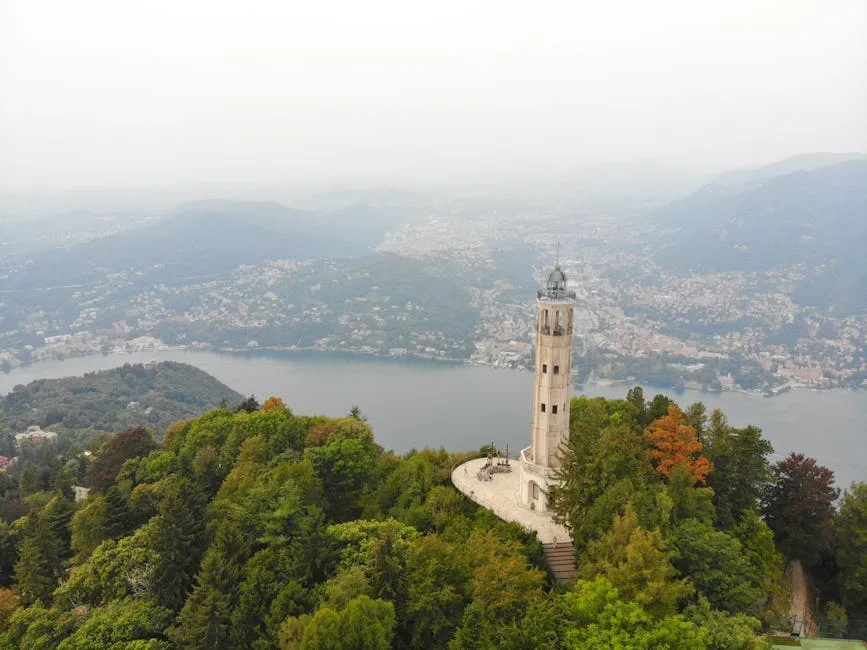
For an unmatched panorama, take the Como–Brunate funicular up to the Brunate viewpoint. The departure point is at Stazione Funicolare, Piazza De Gasperi, 22100 Como CO. Round-trip fare approx.: €6.50 (variable; a single ticket is around €4). Hours: daily 07:00–23:00 in high season, reduced outside peak months. From Brunate’s terrace you’ll get a bird’s-eye view of the cathedral, Como’s harbor, and the southern arm of the lake — ideal at sunset for layered colors and mountain silhouettes.
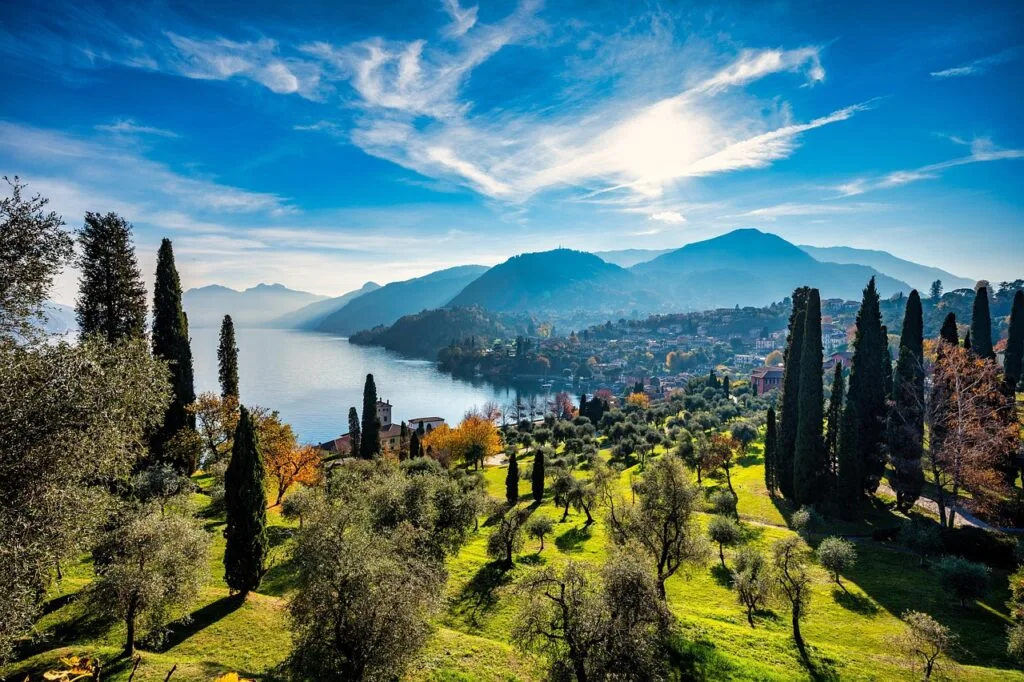
Practical tips: arrive early in the morning to beat the crowds and capture low-lying mist skimming the water. Use a wide-angle (16–35mm) for panoramas and a telephoto (70–200mm) to isolate architectural details. The historic center is pedestrianized and parking is limited: opt for Parcheggio Centro Lago, Via Borgovico, 22100 Como or take the train from Milan (stazione Como S. Giovanni) if you’re coming from the airport.
 Click here to book a guided Como and Brunate tour
2. Villa Olmo, Villa del Grumello and the Como lakefront: classic compositions and reflections
The lakeside stretch from Villa Olmo to Villa del Grumello forms a perfect visual sequence for photographing tree-lined avenues, neoclassical facades and nighttime reflections. Villa Olmo is located at Via Cantoni, 1, 22100 Como CO. It’s a grand neoclassical villa set in a park that opens directly onto the lake. The gardens are usually accessible and some temporary exhibitions inside the villa may charge a fee (approx. €5–€10). Hours: park accessible 07:00–20:00; villa according to events.
Continuing southwest, stop at Villa del Grumello at Via per Cernobbio, 10, 22100 Como CO. Its terraces and ancient walls produce textured backdrops ideal for environmental portraits and the play of shadow and light at dusk. These villas shine in the late afternoon when side light sculpts columns and creates graphic shadows.
The lakefront between the two villas is also a top spot for long-exposure night photography: street lamps and building lights reflected in calm water make for minimalist compositions. Recommended gear: a sturdy tripod, ND filter for extended exposures, and a remote release to avoid camera shake. For a bite between shots, try Ristorante Sociale near Piazza Cavour (address: Piazza Cavour, 22100 Como CO) — regional mains are around €15–€25 each.
Click here to book a shared premium cruise
3. Bellagio, Punta Spartivento and Villa Melzi: the golden-hour triangle
Bellagio, nicknamed the “Pearl of Lake Como,” is essential for capturing the lake’s romantic soul. Start at Punta Spartivento — the southern tip of Bellagio’s peninsula — located at Punta Spartivento, 22021 Bellagio CO. This is where the two arms of the lake meet, offering three-way perspectives. The best times to shoot are sunrise and sunset: low light, silhouetted boats, and layered mountain ridges in the background. Access is free; parking around Piazza Mazzini is common but usually paid (approx. €2–€3/hour depending on season).
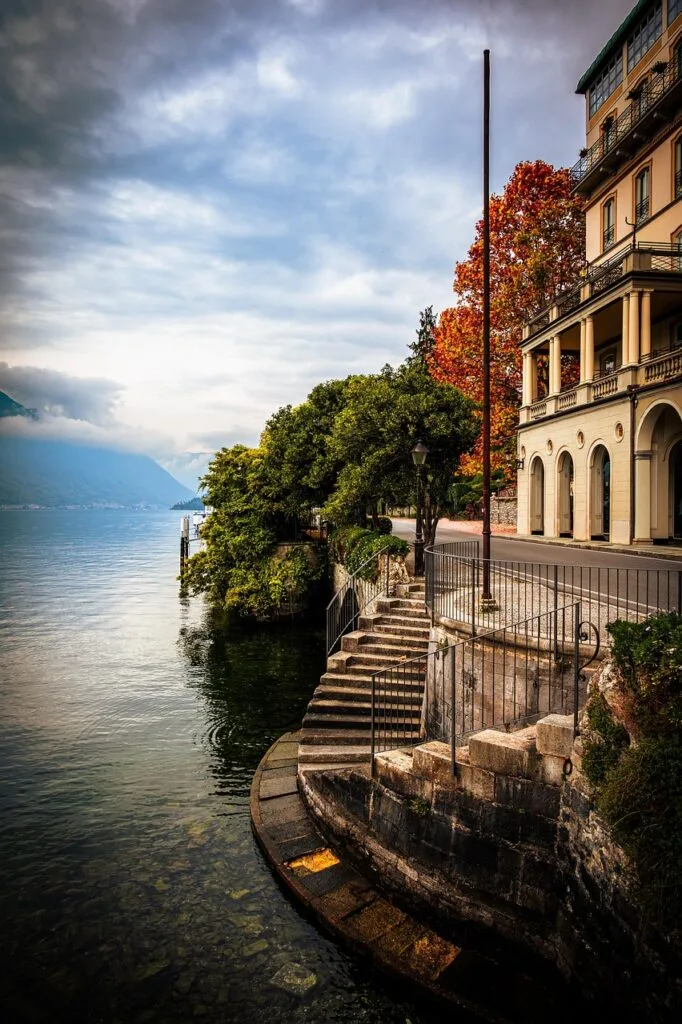
Then stroll to the gardens of Villa Melzi d’Eril at Lungo Lario Manzoni, 2, 22021 Bellagio CO. The neoclassical garden, statues and lakeside promenade offer multiple angles for detail shots (azaleas, statues, benches) and wide compositions with the villa in the background. Entrance: approx. €6–€8. Hours: April–October 09:00–19:00; reduced hours off-season. The lakeside paths are perfect for portrait compositions during the golden hour.
Click here to book a boat trip to Villa Balbianello
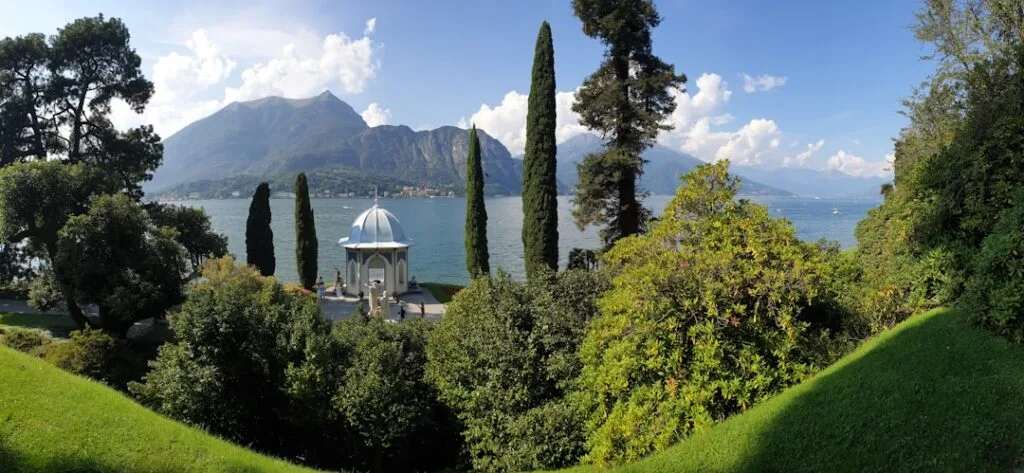
Technical and practical tips: in Bellagio, bring a mix of lenses — wide-angle for landscapes, a 50mm for portraits, and an 85–135mm to isolate architectural details. Bellagio gets very busy in high season; to avoid crowds, aim for very early morning (before 08:00) or late evening after 20:30. Ferries between Como and Bellagio (boarding at Piazza Cavour, Como Ferry Terminal) cost about €8–€12 depending on distance and season.
4. Varenna, Villa Monastero and the Sentiero del Viandante: village intimacy and lakeside panoramas
Varenna is a picturesque village that’s less crowded than Bellagio, ideal for photographers seeking quieter compositions and vertical framing. Villa Monastero is at Via Polvani, 1, 23829 Varenna LC, Italy. Its terraced gardens run along the lake with pergolas, sculptures and open views of the eastern arm of the lake. Entrance: approx. €8–€12. Hours: April–October 09:00–18:30; reduced hours off-season. The villa walk offers smooth transitions from close-ups (flowers, facade details) to wide lakeside panoramas.
Varenna’s main ferry landing is at Piazza San Giorgio, 23829 Varenna LC. From there, take the Sentiero del Viandante (the path that follows the shore) for elevated framing or sweeping views over the village’s red roofs. The stretch of trail between Varenna and Fiumelatte (about 3–4 km) delivers dramatic viewpoints, rock formations, olive trees and shifting panoramas depending on the weather. Access is free; bring sturdy shoes and water.
Practical tips: for reportage-style portraits, look for narrow staircases and arches that frame light. The small lanes produce excellent bokeh thanks to colorful surfaces. Carry a polarizing filter to boost colors and cut unwanted glare on the water. Ferries between Varenna–Bellagio and Varenna–Menaggio run frequently and typically cost €3–€7 depending on the crossing.
Click here to book a cruise and Villa Balbianello visit
5. Lenno, Villa del Balbianello and the islets: cinematic compositions
Villa del Balbianello, on the Lavedo peninsula at Lenno, is one of Lake Como’s most iconic and instantly recognizable locations — often used in films (James Bond, Star Wars). Address: Via Guido Monzino, 1, 22016 Lenno CO, Italy. Access is from Lenno by boat or a short hike. Entrance (guided visit): approx. €12–€20 depending on season; hours: April–October 10:00–18:30; limited visits off-season. The terraced gardens, loggia and cliffside views over the lake offer theatrical perspectives perfect for large-format shots.
Click here to book guided entry to Villa del Balbianello
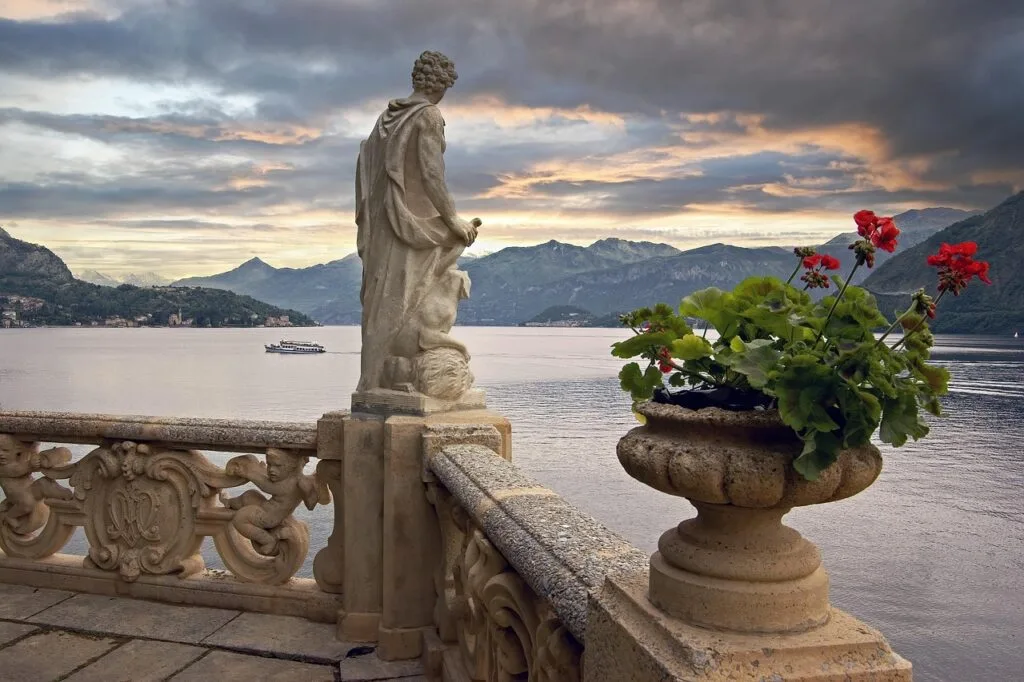
For wilder shots, explore the small coves and islets around Lenno: the contrast of clear water, rocks and Mediterranean vegetation makes for very effective minimalist compositions. Reaching these by boat is often the most photogenic option because it lets you vary angles on the villa and peninsula. Ferries or private services depart from Lenno harbor: Porto di Lenno, Via Regina, 22016 Lenno CO. Private boat prices vary; local ferry roughly €3–€8.
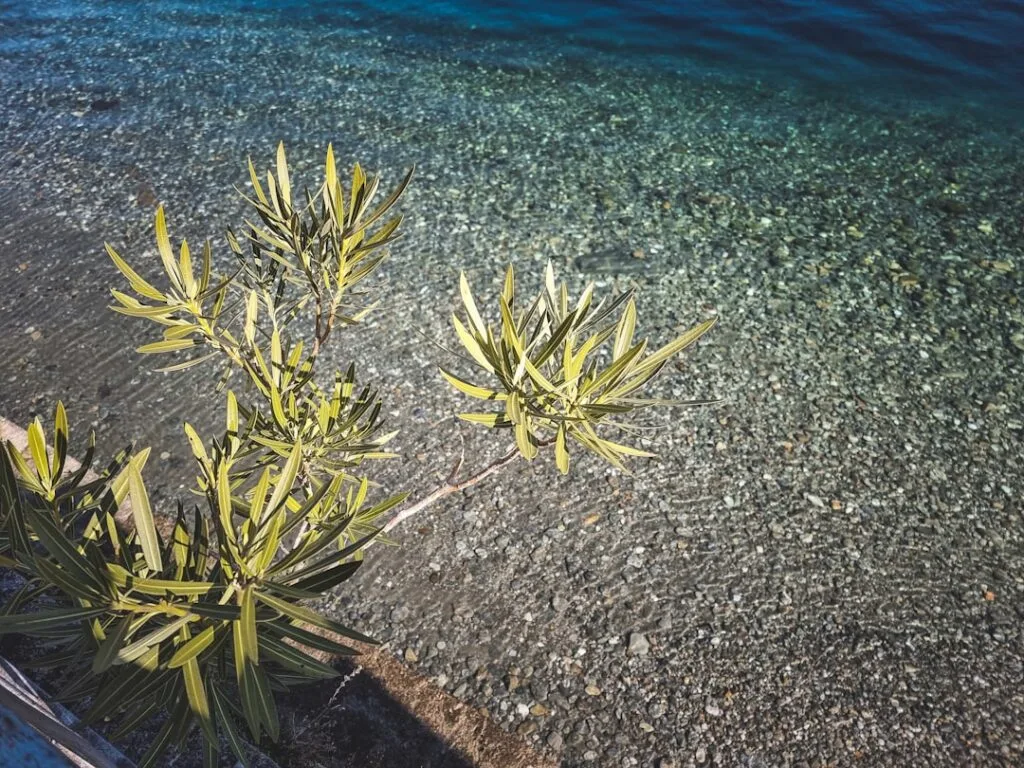
Photo tips: to capture Balbianello’s cinematic vibe, choose a standard to wide-angle lens for garden and landscape scenes and a telephoto to isolate details of the loggia and sculptures. Be ready to book tickets in advance in high season: the villa often operates on time slots and groups are limited. Wear comfortable shoes — paths can be rocky.
Conclusion
Lake Como blends alpine landscapes, elegant architecture and lakeside villages to offer an endless variety of photographic subjects. By visiting Como, Bellagio, Varenna, Lenno and the emblematic villas (Villa Olmo, Villa del Grumello, Villa Melzi, Villa Monastero, Villa del Balbianello), you’ll follow a rich, structured route that covers every mood — sweeping panoramas, architectural details, flowering gardens, graphic reflections and everyday local life. Each spot calls for a different approach: preparation (lenses, tripod, filters), timing (sunrise/sunset, off-peak hours) and logistics (ferries, funicular, parking) are key to nailing your shots.
Budget and hours: expect to spend around €40–€80 per day on transport and entrance fees if you plan to visit several villas and take multiple ferry crossings; prices vary by season. Always check official sites for up-to-date opening times and reservations (notably Villa del Balbianello and Villa Carlotta if you add that visit). Favor lake transport when possible: not only does it provide perspectives you can’t get from the road, it also reduces parking stress and lets you focus on composing great images.
Final tips for photographers: play with light (ND filters for long exposures, polarizers for richer colors), vary focal lengths, and don’t be afraid to return to the same spot at different times to study how light changes the scene. Respect local rules: some villas prohibit flash, tripods may be restricted in greenhouses or indoor rooms, and stay on marked trails. Above all, take time to watch — often the most photogenic moment is the unplanned one: a boat gliding through dawn, a café glowing at dusk, or a wet alley after rain.
Whether you’re a pro or an enthusiastic amateur, this itinerary gives you a clear structure to maximize your photo opportunities around Lake Como. Bring a notebook, book essential tickets in advance, and let the light and calm of the lake guide you to memorable images.