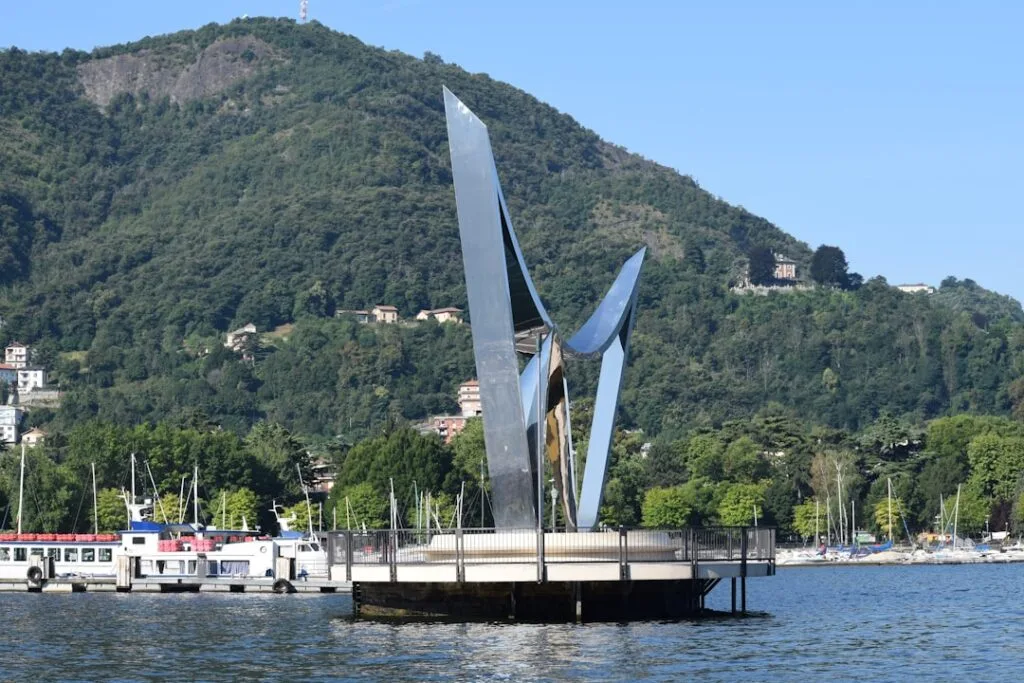






Introduction: Why Lake Como’s Sculpture Gardens Are Unmissable
Lake Como is more than a picture-perfect bowl of mountains, grand villas and shimmering water — it’s also a massive open-air museum where sculpture is woven into the landscape with rare finesse. The sculpture gardens around the lake deliver a sensory experience unlike any other, where art mixes with horticulture, history and the intimate charm of the shorelines. Whether contemporary or historic, the works engage with lake views, the scent of broom and magnolia, and the play of shadows from centuries-old cypress trees. If you’re planning a getaway to Lake Como, set aside a day — or several — to explore these gardens: it’s a must.
In this guide I’ll take you on a detailed route through the sculpture gardens you can’t miss around Lake Como: from historic villas to islands, public parks and private estates open to visitors. Each stop includes practical info — exact address, opening hours, prices in euros, immersive descriptions of the works and their settings, plus local tips to make the most of your visit (best times to go, getting there by boat or car, photography pointers, accessibility and seasonal closures).
Why choose sculpture gardens over a conventional museum? Because here sculptures aren’t isolated on neutral plinths — they’re part of a journey, often by well-known hands, animated by wind, light and lake reflections. Some pieces were made specifically to respond to a particular sightline — a point of land, a stone staircase, an avenue of yews — while others sit within centuries-old villa plantings. Sculptures tell stories: of love, travel, eccentric owners, tributes and occasional contemporary reinventions. They’re also perfect focal points for portraits and landscape photos.
To help your visit go smoothly, I’ve included practical recommendations: buy tickets in advance for the most popular villas, opt for combination tickets where available, wear comfortable waterproof shoes if you’ll be on gravel paths or damp terraces, and don’t hesitate to reward yourself with a gelato on a terrace after the tour. I’ll also outline transport options to reach these gardens — ferries from Bellagio, parking in Tremezzo, walking routes from Varenna — so your transfers are as seamless as possible.
 Villa Carlotta terraced sculpture garden view » loading= »lazy » />
Villa Carlotta, Tremezzo — A Garden-Museum of History and Sculpture (Via Regina 2)
Address: Villa Carlotta, Via Regina 2, 22016 Tremezzo CO, Italy.
Opening hours: Generally open 9:00–19:00 (March–October). Reduced hours in low season: 9:30–17:00 (November–February). Check the official calendar before you go.
Price: Adult ticket ~€13; reduced rates ~€8–€10 for 65+ and students; children under 6 free. Combination tickets with temporary exhibitions possible (usually an extra €2–€5).
Villa Carlotta is one of Lake Como’s best-known gardens. Established in the 18th century and set in Tremezzo, it combines a museum-like interior (paintings, sculptures) with a terraced botanical park that offers spectacular lake and opposite-shore views. The garden displays classical and neoclassical sculptures, including copies and works inspired by Greco-Roman models, set among rhododendron and azalea groves, magnolias and sequoias. The contrast between pastel facades, deep green pines and the blue of the lake gives visitors a sense of restrained opulence.
Highlights include the neoclassical statues that punctuate the main paths, as well as reliefs and busts scattered across the terraces. The monumental stone stairway descending toward the shore is decorated with sculptures and makes a perfect setting for photos at sunrise or sunset. The villa’s interior also houses works by 19th-century Italian artists, making the visit both a botanical and an art-filled experience.
Tips: arrive early to enjoy the gardens before the crowds, especially in high season (May–September). Parking: there’s public parking in Tremezzo (Via Ospedale) about an 8–10 minute walk, but you can also arrive by boat at the small jetty in front of the villa (Tremezzo ferry stop). Bring comfortable shoes — some paths are gravel and terraces can be slippery after rain. Photographers will find the window between 8:30 and 10:30 ideal, when the light illuminates the facades.
 Click here to book your ticket for Villa Carlotta and its gardens
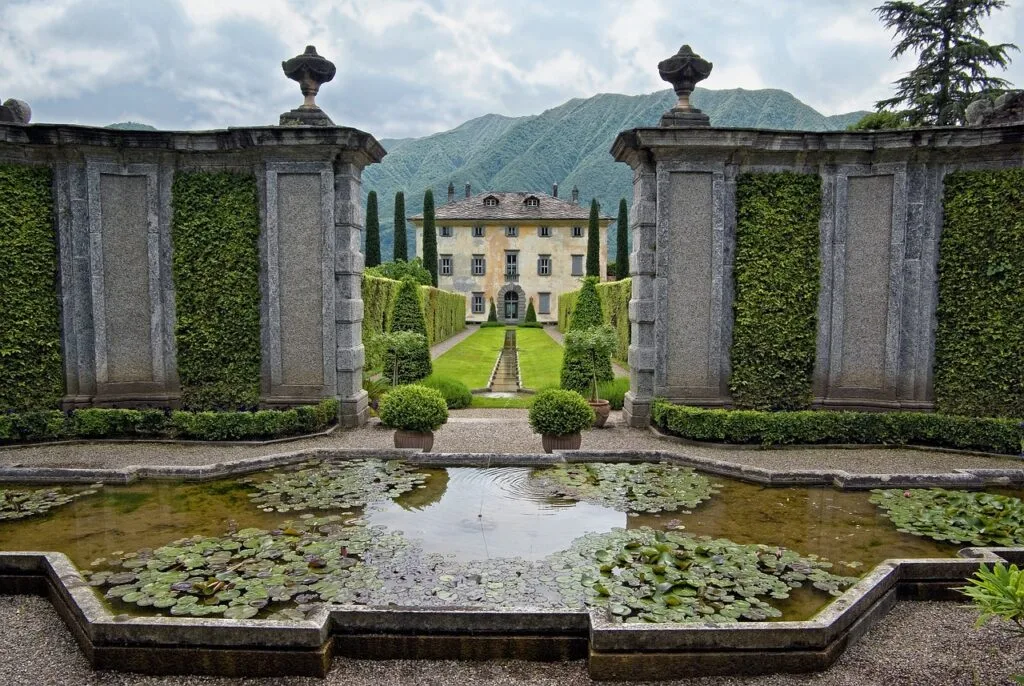
Villa del Balbianello, Lenno — A Theatrical Sculpture Stage by the Water (Via Guido Monzino 1)
Address: Villa del Balbianello, Via Guido Monzino 1, 22016 Lenno CO, Italy.
Opening hours: Generally 10:00–18:00 April–October; reduced hours off-season. Interior visits may be limited due to private events.
Price: Garden and villa entry ~€11–€15 for adults; reduced rates for seniors and children (around €6–€9). Boat access may cost extra if you use private shuttles (roughly €10–€20 depending on departure).
Perched on a rocky promontory that plunges into the lake, Villa del Balbianello is one of the most romantic and cinematic residences on Lake Como. The lake-facing garden opens onto dramatic vistas and stages sculptures and decorative elements with a natural sense of drama: statues on balconies, basins, obelisks and classical fragments that punctuate winding paths. Restored and managed by the Fondo per l’Ambiente Italiano (FAI), the estate offers a park where every step leads to a lakeside viewpoint, a hidden corner or an unexpected sculptural composition.
You can feel the legacy of collector Guido Monzino throughout: he brought back objects and artworks from around the world, creating an eclectic ensemble. Sculptures aren’t always monumental — many are integrated into rock gardens, borders or stone planters, inviting discovery. The ascent to the villa, up stone steps and terraces layered with lichen and moss, is itself a sculptural route where nature gradually reclaims space.
Tips: the main access is by boat (from Lenno or Tremezzo), which makes for a spectacular arrival — check ferry times and book FAI tickets well in advance during high season. If driving, you’ll face a 15–20 minute uphill walk from the parking area near Lenno (gravel paths and steps). Bring water, a hat and sunscreen in summer — much of the site is exposed with limited continuous shade. Cinema buffs should watch for filming locations (James Bond, Star Wars and others). The best time to visit is late morning or early afternoon to enjoy the light on the villa façade.
Click here to book your guided tour of Villa del Balbianello
Villa Melzi d’Eril and Parco di Villa Serbelloni, Bellagio — Contrasting Styles and Lakeside Sculptures
Addresses:
Villa Melzi d’Eril — Lungo Lario Manzoni, 22021 Bellagio CO, Italy.
Parco di Villa Serbelloni (guided tours) — Via Serbelloni 2, 22021 Bellagio CO, Italy.
Opening hours:
Villa Melzi: generally 8:30–19:00 (high season), reduced hours in low season;
Parco di Villa Serbelloni: guided tours often at 10:30 and 15:00, lasting ~90 minutes (times vary by season and access rules).
Price:
Villa Melzi: garden entry ~€6–€8 for adults; reduced rates for 65+ and students; children often €3–€4.
Parco di Villa Serbelloni: guided tour ~€12–€18 depending on operator (Bellagio Welcome, Club Alpino, etc.).
Bellagio, where the lake’s three branches meet, is an ideal base for two very different gardens. Villa Melzi d’Eril, with its yew-lined avenue, long lakeside park and small neoclassical sculptures, offers a contemplative stroll. Statues, stelae and decorative funerary urns line the main promenade along the water, creating an almost meditative walk. The shoreline is arranged to invite visitors to sit and watch boats come and go against a mountain backdrop.
Parco di Villa Serbelloni offers a striking contrast: the private estate overlooking Bellagio has a larger park beloved by botanists and landscape-history enthusiasts. Access is often by guided tour, which adds an exclusive, informative layer to the visit. Statues and architectural elements here are embedded in lush plant masses — camellias, laurels, cedars — and provide spectacular panoramas over the Bellagio gulf. The park feels designed to surprise, gradually revealing sculpted viewpoints toward the lake.
Tips: start at Villa Melzi early to beat ferry crowds and enjoy statues in soft morning light. Book your Parco di Villa Serbelloni guided tour in advance (local agencies and Bellagio’s tourist office offer slots). There are several parking options in Bellagio (Parking Centro, Piazzale Don Minzoni), but taking the ferry from Varenna or Menaggio avoids parking headaches in summer. For close-up photography, Villa Melzi’s avenues are perfect at sunrise; for panoramic shots, Serbelloni shines at sunset.
Click here to book a walking tour of Bellagio and Villa Balbianello
Villa Monastero and Isola Comacina — Sculpture in Architecture and Archaeology (Varenna & Ossuccio)
Addresses:
Villa Monastero — Via Polvani 4, 23829 Varenna LC, Italy.
Isola Comacina — Island of Comacina, 22010 Ossuccio CO, Italy (accessible by boat from Ossuccio/Lenno).
Opening hours:
Villa Monastero: typically 9:30–19:00 (April–October), reduced hours in low season;
Isola Comacina: opening times depend on tourist shuttles and guided tour schedules (generally excursions run April–October, mornings and afternoons).
Price:
Villa Monastero: garden and museum entry ~€8 for adults; reduced ~€5–€6; audio guides available (extra ~€2).
Isola Comacina: combined archaeological site and boat tickets ~€10–€15 (varies by operator and season).
Villa Monastero in Varenna is a long lakeside garden walk known for its botanical backbone and the villa’s scientific-museum displays. Sculptures here are more understated but carefully placed: stelae, busts and small monuments dot lawns and beds while the garden’s line hugs the rocky shore. The mood is intimate, almost monastic, perfect for a slow visit, reading a guide or simply sitting with a view of the lake. Inside, the villa contains rooms of historical interest and decorative elements that complement the outdoor experience.
Isola Comacina is a very different kind of outing: the lake’s only natural island combines nature, archaeology and architectural remains. Medieval ruins and contemporary interventions create a route where sculpture takes on an archaeological meaning: column fragments, stone objects repurposed as artworks, and installations set among the ruins. The island’s history of fire and rebuilding is strong, and recent art projects often dialogue with that memory. You’ll also find occasional temporary exhibitions by invited artists who use stone and landscape as their medium.
Tips: for Villa Monastero, take the Varenna–Bellagio ferry for a gentle arrival and then follow the lakeside promenade. Ticket offices usually accept cards and cash; combination tickets with other villas are sometimes available. For Isola Comacina, check boat schedules from Ossuccio or Lenno and book a guided excursion if you want historical and archaeological context — parts of the island are uneven and call for sturdy footwear. Bring water and snacks: the island has a small seasonal café-restaurant but it may be closed outside peak season.
Click here to book a boat trip and swim at Isola Comacina

General Tips, Accessibility and Best Practices for Visiting Lake Como’s Sculpture Gardens
Visiting the sculpture gardens around Lake Como requires a mix of logistical planning and sensitivity to the sites’ history. Here are practical and ethical recommendations to help you get the most out of your route:
- Tickets and reservations: For Villa del Balbianello and some Parco di Villa Serbelloni visits, booking ahead is highly recommended, especially in high season (May–September). Online tickets help you avoid long queues and secure a time slot. FAI members (Fondo per l’Ambiente Italiano) often enjoy priority access and discounts.
- Timing and seasons: Parks are at their most florid in spring (April–June) and early autumn (September–October), when light is softer and crowds are thinner. In summer, aim to arrive early to beat the heat and tour groups.
- Getting there by boat: Lake Como’s ferry network links most villages (Menaggio, Bellagio, Varenna, Tremezzo, Lenno, Ossuccio). Driving the lakeside roads can be slower and parking is sometimes difficult; arriving by boat is often both more scenic and more convenient.
- Shoes and clothing: Wear closed, grippy shoes — many gardens include stairs, gravel trails or damp terraces. Pack a windproof jacket and sun protection depending on the season.
- Photography: Respect signs and restricted areas — some sculptures are fragile and close to the public. If you’re a professional photographer, check whether a permit is required for commercial shoots.
- Respect the site: Don’t touch sculptures unless explicitly allowed, follow signage and stay on marked paths to protect the plantings. Take your rubbish with you — while many sites have bins, it’s better to leave with what you brought.
- Food and drink: Many villas have a café or small restaurant (e.g. Villa Carlotta’s café, a seasonal kiosk on Isola Comacina). For a full meal, choose lakefront restaurants (menus around €18–€35 per person). Don’t skip the artisan gelato after your visit.
A word on accessibility: some villas offer limited access for visitors with reduced mobility — check ahead. Historic terrains, stairs and slopes can be challenging. That said, many lakeside promenades (like Villa Monastero’s) are relatively flat and accessible. For families with strollers, a baby carrier is useful for steeper stretches.
Finally, give yourself time to get lost: these gardens are meant to be savoured slowly. Sit on a bench facing a belvedere, watch the light shift, and listen to the soft lap of water against stone walls. Sculptures often reveal hidden details — a weathered face, a historical crack — and tell as much about their setting as about their makers.
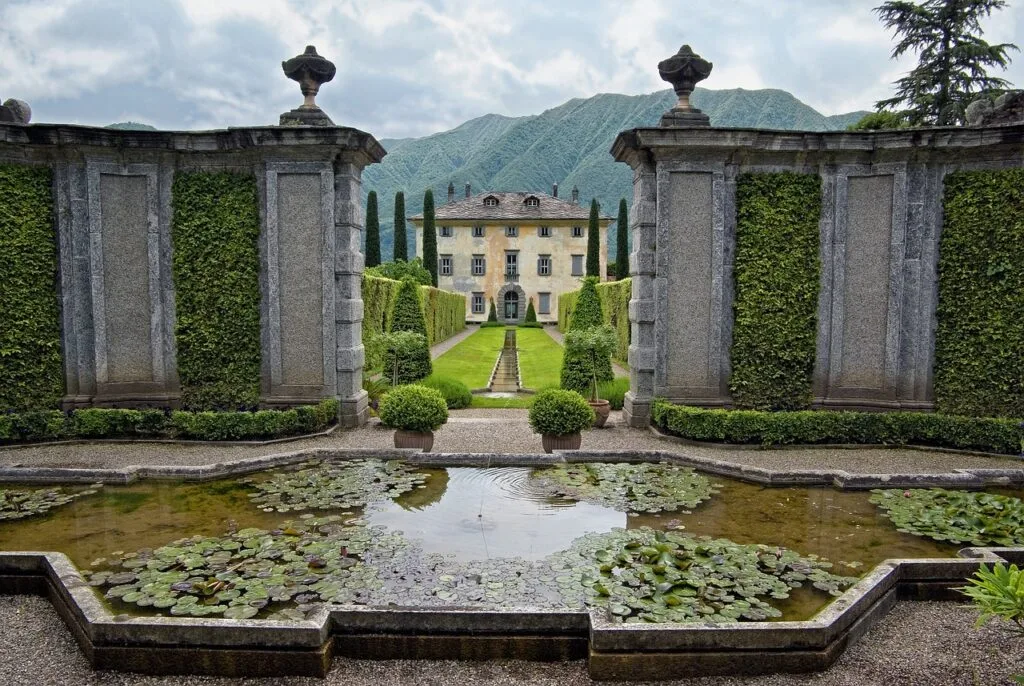
Conclusion: Taking Home the Spirit of Lake Como’s Sculptures
The sculpture gardens of Lake Como are not just destinations — they are invitations to slow contemplation where nature and human craft converse. From Villa Carlotta’s floral terraces and Villa del Balbianello’s dramatic sightlines to the quiet of Villa Melzi, Serbelloni’s secret panoramas, Villa Monastero’s gentle poetry and Isola Comacina’s archaeological austerity, each stop delivers a different yet coherent experience: art sits in the landscape as an accent, never as an isolated effect.
For the traveler, these gardens call for two kinds of readiness: logistical (reservations, transport, practical prep) and mental (slow down, stop, look). They reward curiosity with unexpected encounters — a statue round a bend, a painted lake view, a bench where locals linger. The addresses, prices and times in this article give you a framework, but remember these details can change — it’s always wise to check official sites or local tourist offices before you go.
Ultimately, these gardens let you take home a tangible piece of Lake Como’s memory: the aesthetic choices of patrons, the artistic influences of different eras, and the way private and public spaces were shaped to speak with the water. You’ll leave with more than photos — you’ll gain a deeper appreciation for how sculpture can transform a landscape and how the landscape, in turn, transforms sculpture. Bring time, curiosity and a good pair of shoes: Lake Como is waiting, shaped by stone, bronze, garden and light.