





Introduction
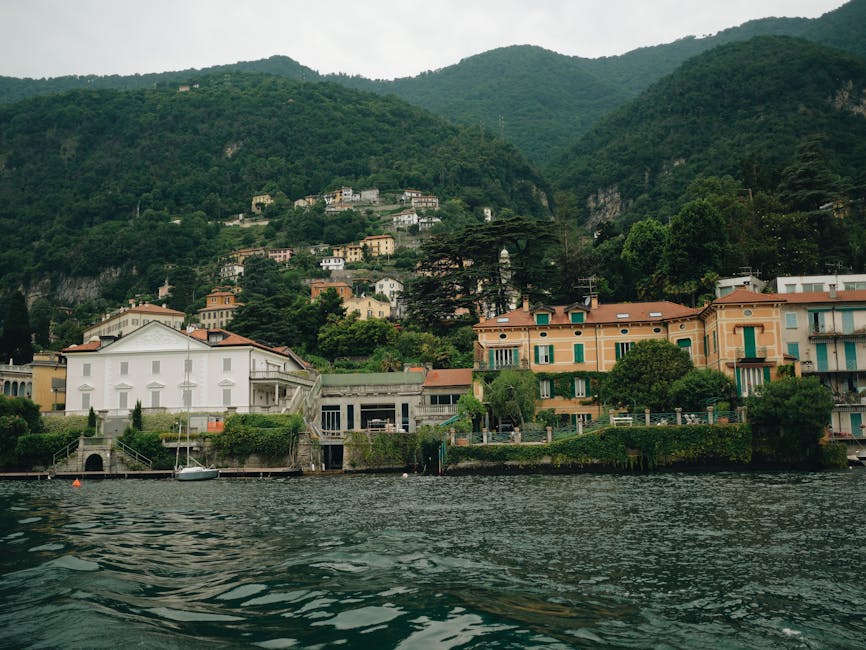
Lake Como, with its shimmering waters, green mountains and cliffside roads, has long been a meeting place for aristocrats, artists and travelers seeking beauty. At the heart of this landscape sit villas — sumptuous residences that, through their architecture and gardens, tell the social and artistic history of Europe. The architecture of the villas around Lake Como is an open book: neoclassical façades, baroque loggias, panoramic terraces, wrought-iron pergolas and refined orangerys follow one another to create a rich, varied stylistic palette. These homes are not mere houses; they are staged settings, architectural answers to topography, climate and changing tastes over time.
In this article we’ll explore how the villas’ architectural styles were formed, which local and foreign influences shaped their aesthetics, and how these buildings converse with the lake and the mountains. We’ll use specific anchor points — Villa Carlotta in Tremezzo, Villa del Balbianello in Lenno, Villa Melzi d’Eril in Bellagio, Villa Monastero in Varenna, Villa Olmo in Como — and provide addresses, opening hours, prices and practical tips for visiting. The aim is to offer both a historical reading and a practical guide so visitors understand what they see and how to plan their discovery.
Through the descriptions you’ll see how 18th‑century neoclassical taste coexisted with 19th‑century romantic reworkings, how English influence translated into parkland “English-style” layouts, and how garden design was conceived as an extension of architecture. We’ll also cover the lake’s importance as a climatic and aesthetic model: façade orientation, plant choices, and the design of quays and stairways facing the water. Finally, the article will suggest practical itineraries, tips to avoid queues, information on audio guides and photography advice to capture the site’s often-changing beauty.
Whether you’re an architecture buff, a curious gardener, a photographer hunting memorable compositions or a traveler wanting to grasp the soul of these residences, this guide will accompany you. The exact addresses, prices in euros and opening hours we list will help you plan visits — however, check for seasonal updates before you go. Pack walking shoes: the gardens and terraces around Lake Como are best discovered on foot, and let yourself be carried away by the timeless elegance of these lakeside villas.
Historical heritage: aristocratic villas of Lake Como
The great villas of Lake Como were built mainly between the 17th and 19th centuries by noble families and wealthy industrialists. Each bears the imprint of patrons, architects and gardeners who aimed to make these residences testimonies of power, prestige and taste. Among the must-sees, Villa Carlotta in Tremezzo — via Regina 2, 22016 Tremezzo (CO) — provides a striking example of a villa-and-garden ensemble in neoclassical and romantic style. Open daily, generally from 9:00 to 19:00 (hours vary by season), admission is often around €14 for adults, with reduced rates for youth and seniors. You’ll find art collections, richly decorated salons and a spectacular botanical garden overlooking the lake.
 Click here to book your ticket for Villa Carlotta
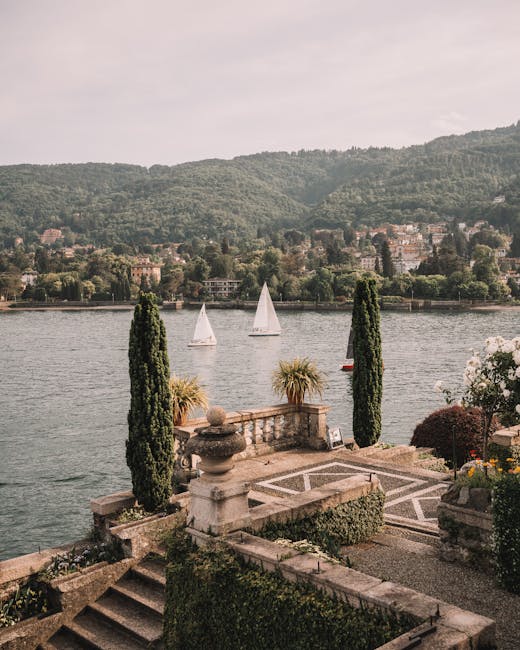
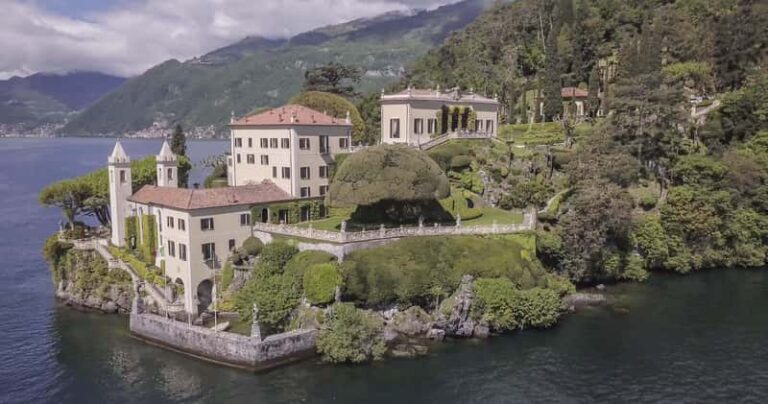
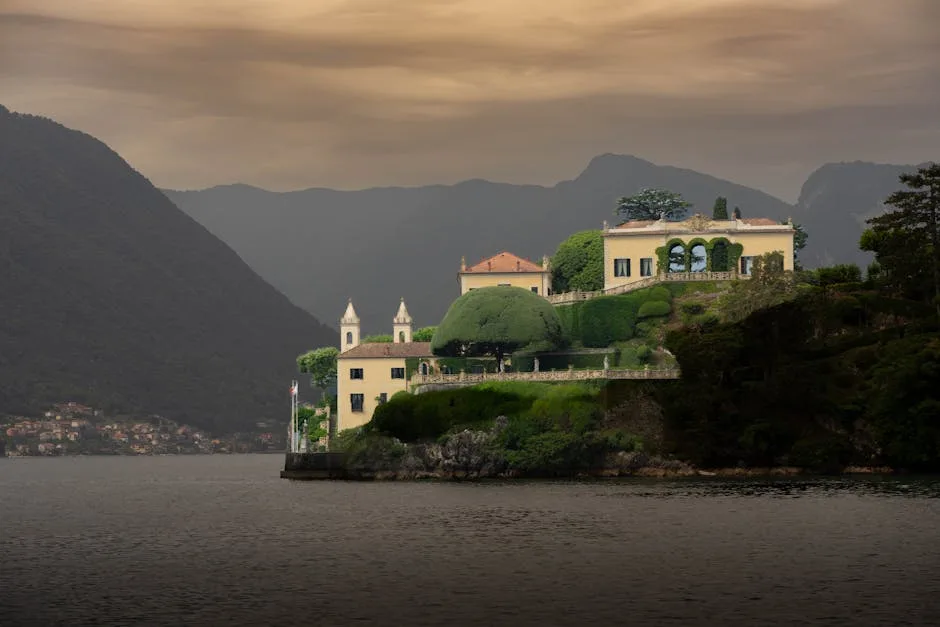
The Villa del Balbianello in Lenno — via Comoedia 5, 22016 Lenno (CO) — is famed for its dramatic location on a rocky promontory. Managed by the FAI (Fondo Ambiente Italiano), it is open in high season from 10:00 to 18:30 and admission costs about €15 with recommended reservation (hours may change for events). Its loggia, woodwork and terraced paths offer perfect frames for photography, as well as themed guided tours.
Click here to book a boat trip to visit the villas
Click here to book a guided tour of Villa del Balbianello
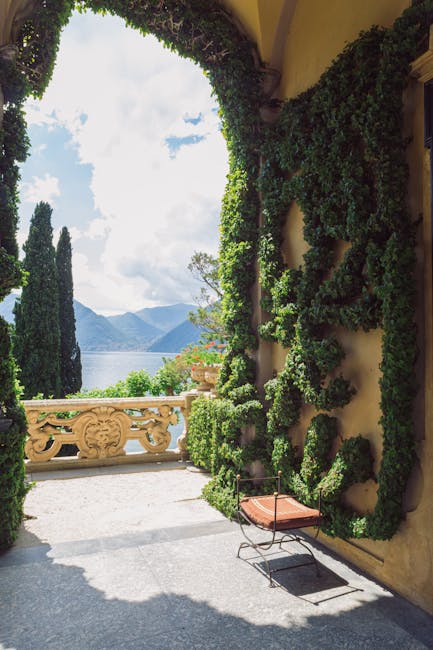
Another gem, Villa Melzi d’Eril in Bellagio — Lungolario Manzoni 2, 22021 Bellagio (CO) — stands out for its neoclassical lakeside garden and promenade planted with azaleas and sculptures. Gardens are usually open from 9:30 to 18:00 and admission is about €6. These villas express a taste for openness to the landscape: salons facing the lake, pergolas leading to stairs that descend to the water, and carefully choreographed viewpoints.
Click here to book a cooking workshop at Villa Melzi
Several villas have been converted into museums or event venues: Villa Monastero in Varenna — via Polvani 4, 23829 Varenna (LC) — is both a museum and conference center, open in season from 9:30 to 18:00, with a fee around €8. Villa Olmo in Como — Lungo Lario Manzoni 4, 22100 Como — hosts temporary exhibitions, with admission varying by event (often €5–€12) and exhibition hours generally from 10:00 to 19:00. These addresses show how the role of villas has evolved: private residence, representational venue, then cultural site open to the public.
Architectural styles: from Baroque to Neoclassical and Romanticism
The architecture of Lake Como villas is the result of layered eras. In the 17th century you still find Baroque touches: carved facades, decorated pediments and sometimes complex plans. But it’s the 18th century that saw Neoclassicism prevail, influenced by English grand tours in Italy and architectural treatises. Neoclassicism shows in symmetrical fronts, Ionic or Corinthian columns, triangular pediments and interiors with restrained lines. Villa Carlotta, for example, bears Neoclassical marks in its salons and the disciplined siting of the house.
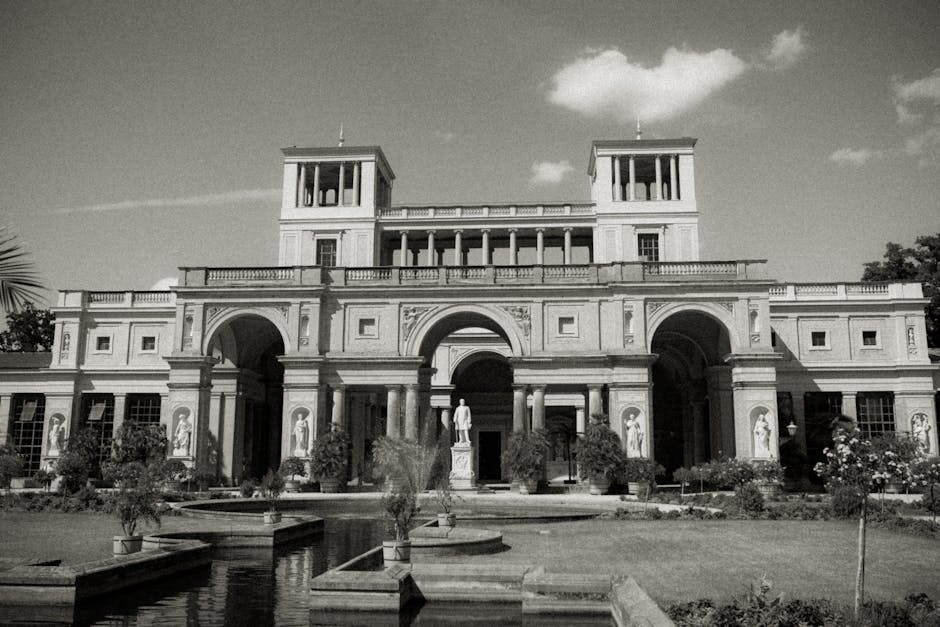
The 19th century brings Romantic taste and Anglomania: English-style landscape gardens, winding paths, small neoclassical temples and picturesque belvederes. These features aim to create staged vistas where the villa becomes the focal point of a living panorama. Villa del Balbianello underwent Romantic remodelling seeking the picturesque effect: stone terraces, artificial grottos and framed lake views.
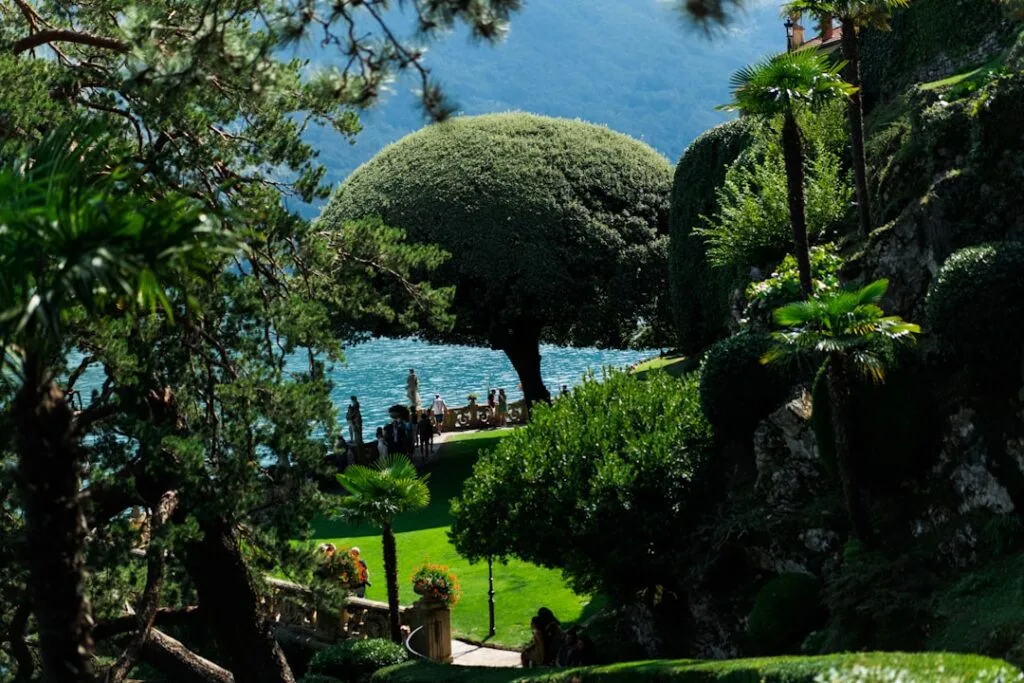
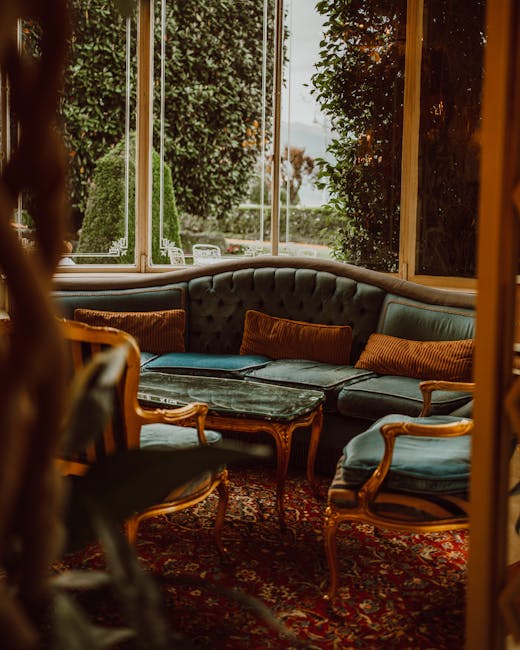
You also see eclectic and neo‑medieval touches from 19th‑century owners keen to assert a historic or romantic identity. Interior walls can feature finely carved woodwork, Neoclassical frescoes or decorations inspired by Antiquity. Orangeries, often on south‑facing elevations, reflect horticultural practices and a taste for exotica: palms, citrus and camellias find shelter there in winter. Villa Melzi, for example, includes a historic orangery and greenhouses, while Villa Olmo offers wide promenades and exhibition spaces that integrate the façade‑to‑lake relationship.
Contemporary restorations often aim to balance conservation and modernity: discreet lighting, invisible HVAC systems, accessible paths for people with reduced mobility. Recent interventions respect the historic fabric while adapting sites to current public uses — museum displays, receptions, weddings. Preserving original materials (stucco, marble, wood) is essential to retain authenticity while ensuring visitor safety and comfort.
Lakeside and landscape influences: gardens and site integration
The relationship between villa and landscape is central to lakeside architecture. Unlike urban palaces, Lario villas are designed to engage the water: main facades face the lake, stepped stairways descend to the shore and belvederes are placed for strategic views. The lake’s microclimate — milder than inland areas — allows Mediterranean and exotic species. Villa Carlotta’s gardens, for example, host collections of azaleas, rhododendrons, camellias and citrus that bloom early and create bold color masses.

English‑style gardens introduced the idea of a journey: the landscape itinerary offers visual surprises, lake clearings and shaded stopping points. Villa Melzi provides a shaded walk along the lakefront, dotted with sculptures and small pavilions, inviting slow exploration and contemplation. Pergolas draped in wisteria cast scented shade in early summer and serve as transitions between indoors and out.
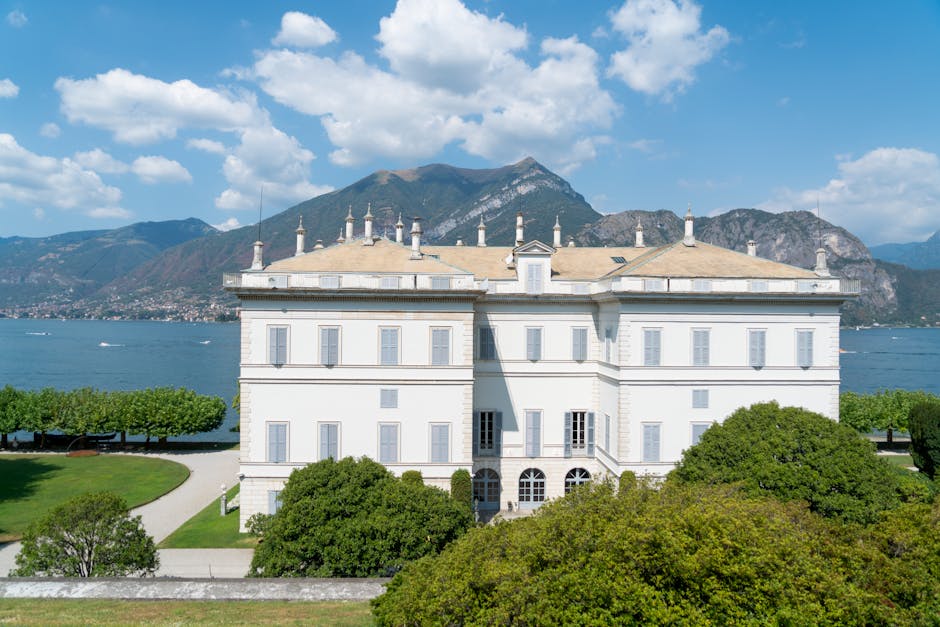
In high relief, terraces and stone staircases are solutions to embed the villa into the slope. Masonry walls supporting beds and paths are often covered with climbers — ivy, jasmine and roses — softening architectural severity. Along the lake, quays and landing stages allow boat access, a historic preferred mode of transport. Practical tip: favor boat arrivals early in the morning (between 8:30 and 10:00) to avoid crowds and get the best light for photos.
Water management is also essential: drainage systems, irrigation pipes and use of groundwater keep lawns and groves lush. During your visit, notice the small details — ponds, statues, stone vases — that reveal maintenance levels and aesthetic choices of successive owners. Gardens are open books on horticultural history and a necessary complement to reading the villas’ architecture.
Which experiences should you prioritize to get close to Lake Como’s villas?
What mix of activities lets you grasp the architecture, the gardens and the lakeside relationship?
1. Villa Carlotta — museum and gardens
Museum entry and access to 20 acres of gardens: a route where Neoclassical works and azalea beds tell owners’ stories, with lake panoramas and terraced steps.
- ⏱️ Duration: 24 hours
- 🚩 Departure: Present your voucher at the Villa Carlotta entrance
- 🎟️ Included: Museum and garden access
- 💡 Highlight: Neoclassical collections and panoramic lake views
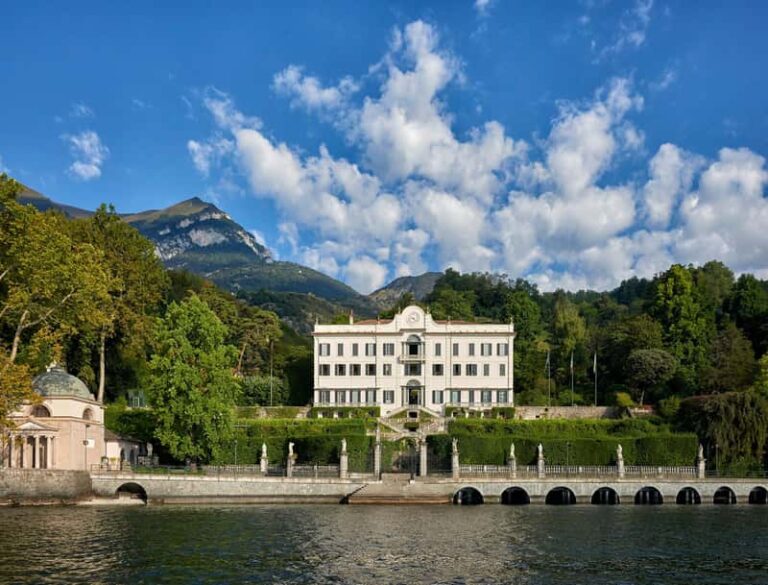
2. Private cruise on the Lario
Charter a boat to see villas from the water: freedom of itinerary, swim stops and access to façades and quays ferries can’t reach — ideal to understand the lakeside orientation of the estates.
- ⏱️ Duration: 1–8 hours
- 🛥️ Format : Private charter boat (customizable)
- 💡 Highlight : See the villas from the lake and approach the private docks
- 🗣️ Languages : English, Italian, Spanish

3. Villa del Balbianello — guided tour
Guided tour to understand the site’s historical layers: the romantic staging, Monzino’s expedition collection and the photo viewpoints that made the peninsula famous.
- ⏱️ Duration : 2–3 hours
- 🚩 Departure : Meeting point may vary depending on the option chosen
- 👥 Format : Guided tour
- 🗣️ Languages : Italian, English
Visiting the Lake Como villas: routes, prices and local practical tips
Planning a visit to the Lake Como villas requires balancing logistics and timing. Here’s a sample itinerary and practical information to organize a successful day:
- Morning — Villa del Balbianello, Lenno : via Comoedia 5, 22016 Lenno (CO). Usually open 10:00–18:30 (high season). Approximate price €15 (online booking recommended via the FAI site to avoid queues). Best reached by boat from Tremezzo or Lenno.
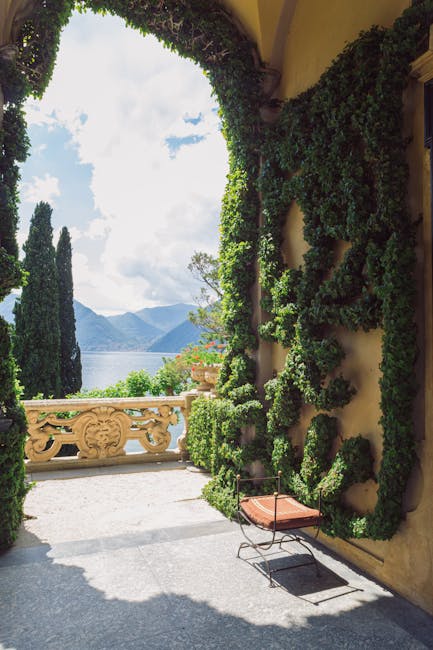
- Late morning — Villa Carlotta, Tremezzo : via Regina 2, 22016 Tremezzo (CO). Open 9:00–19:00 (seasonal). Admission €14. Enjoy the botanical garden and the interior salons. On-site café for a scenic break.
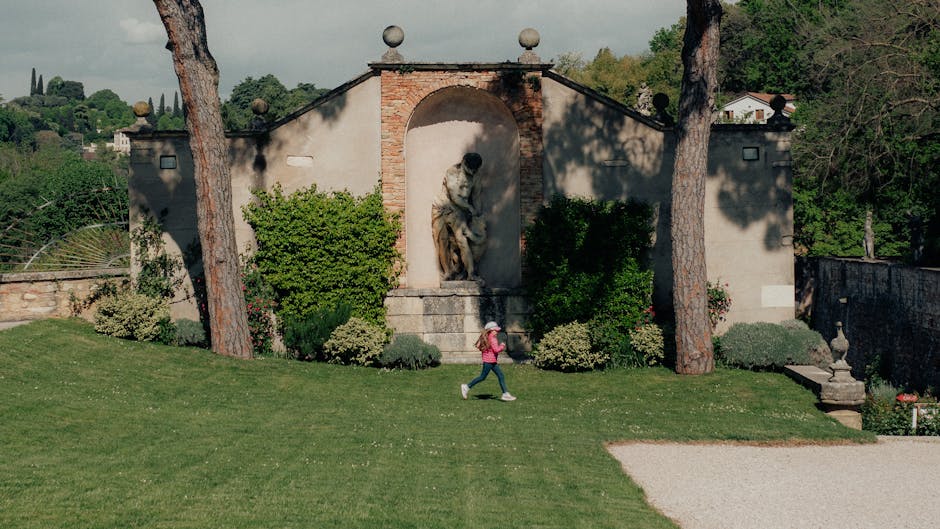
- Afternoon — Villa Melzi, Bellagio : Lungolario Manzoni 2, 22021 Bellagio (CO). Gardens open 9:30–18:00. Admission €6. Stroll the lakeside promenade and visit the nearby English cemetery for historical perspective.
- Alternative for art lovers — Villa Olmo, Como : Lungo Lario Manzoni 4, 22100 Como. Temporary exhibitions, variable hours (often 10:00–19:00). Exhibition fees €5–€12.
Local practical tips:
- Book tickets online for Villa del Balbianello and Villa Carlotta during high season (May–September) to avoid queues. Boat reservations for Lenno and Tremezzo fill up early in the morning.
- Bring comfortable shoes: the gardens include slopes, steps and uneven surfaces. A light jacket is useful for lakeside evenings even in summer.
- Hours : many villas reduce opening times in the low season (October–March); check official sites (FAI, local municipalities) for exceptional closures due to private events or temporary exhibitions.
- Accessibility : some villas are difficult to access for visitors with reduced mobility because of old staircases. Contact welcome offices in advance to learn about access options and available services.
- Photography : respect indoor rules (often no flash) and private areas. Mornings offer soft light, while west-facing sunsets cast warm tones on the façades.
Conclusion
The Lake Como villas are far more than old residences: they’re works of art where architecture, landscape and history answer one another. Walking through Villa Carlotta, Villa del Balbianello, Villa Melzi, Villa Monastero and Villa Olmo reveals how every façade, terrace and garden path was designed to harmonize human dwelling with the lake’s grandeur. These places tell tales of patronage, stylistic evolution — from Baroque to Neoclassicism and Romantic landscape design — and horticultural practices adapted to a unique microclimate.
For the visitor, knowing exact addresses, opening hours and prices in euros makes discovery easier: for example, Villa Carlotta (via Regina 2, 22016 Tremezzo) and Villa del Balbianello (via Comoedia 5, 22016 Lenno) often require a reservation or a boat transfer, while Villa Melzi (Lungolario Manzoni 2, 22021 Bellagio) offers a freer stroll. Prices typically range from €5 to €15 depending on the site and season, and it’s wise to check official sites for updates before you go. Practical tips — online booking, early arrival, proper footwear, accessibility checks — will help turn a visit into a fully immersive experience.
Ultimately, the best way to appreciate the architecture of the Lake Como villas is to give yourself time to contemplate: follow the paths, read the plaques, observe the perspectives and feel the interaction between stone and water. These villas are masterpieces of a unique cultural landscape; visit them with curiosity, respect and a keen sense of wonder. Whether you’re an architect, an art lover or a curious traveler, let these homes tell you the gentle, complex story of Lake Como.