





Introduction
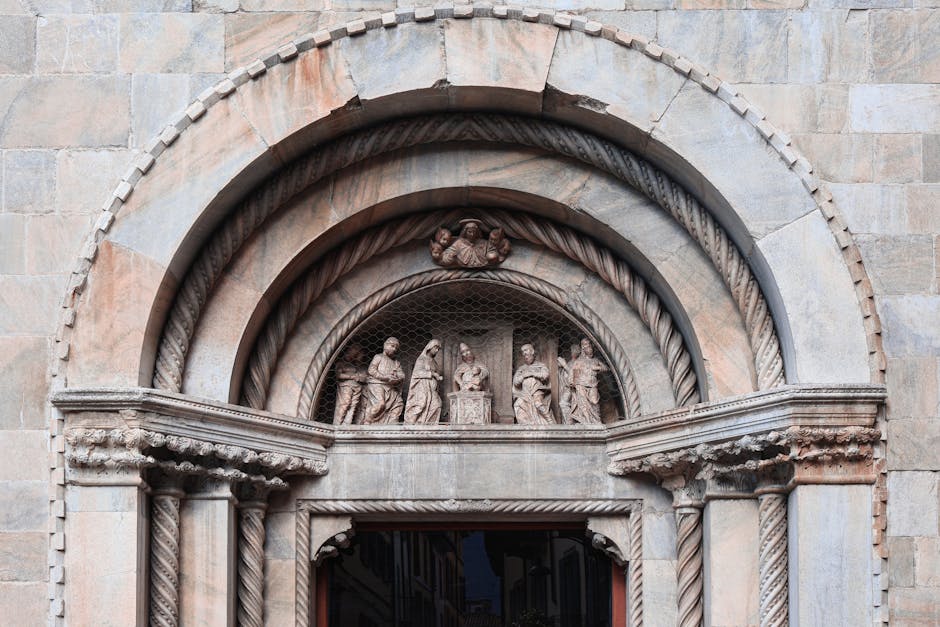
On the shores of Lake Como, the town of Como unfolds a range of historic façades that tell the story of a place at the crossroads of art, trade and architecture. Wandering the cobbled lanes, strolling the lungolago or climbing the steps up into the hills brings you face to face with walls that breathe the past: Romanesque and Gothic structures, Baroque fronts, Renaissance houses and 20th‑century modernist works. Every stone, cornice and mullioned window carries the memory of residents, craftsmen and architects who shaped Como from antiquity to today.
This detailed, immersive guide invites you to discover Como’s most beautiful historic façades with vivid visual descriptions, exact addresses, practical info (hours, prices) and local tips to make the most of these architectural treasures. Whether you’re a photographer hunting for a new angle, a history buff looking for iconographic details, or a curious traveler wanting to learn how to read a façade — arches, archivolts, bas‑reliefs and frescoes — this piece is laid out as a structured walk leading you from famous monuments to lesser‑known but equally fascinating fronts.
Como’s architectural wealth is all the more striking because the town has maintained a dialogue between old and new. The famed Duomo (Cattedrale di Santa Maria Assunta) presides over Piazza Duomo with a façade shaped by Lombard and Lombard‑Gothic influences, while Giuseppe Terragni’s Casa del Fascio brings a touch of 20th‑century Italian rationalism that creates a vivid contrast with the surrounding medieval stone. Between these poles, noble palaces, Romanesque churches, town halls and lakeside villas display a palette of textures and colors: white marbles, ochre bricks, polychrome stuccos, wrought ironwork and weathered wooden shutters.
In this article I describe in detail several major façades, giving their exact address, opening or visiting hours, any entrance fees, and practical tips: the best time for light, which lens to favor, how to avoid crowds, or where to stop for coffee or gelato after your visit. I linger on both aesthetic aspects — proportions, ornamentation, iconography — and on the historical stories that explain why these façades look the way they do today.
Finally, you’ll find recommendations to extend your discovery beyond the façade: museums to visit, walks along the lakefront, and small local shops to pick up regional produce. Pack comfortable shoes, your camera and your curiosity: the town of Como offers a visual and sensory route you’ll remember for a long time.
 Click here to book a guided tour and lake cruise
The Cattedrale di Santa Maria Assunta (Como Cathedral) — Piazza Duomo, 22100 Como CO
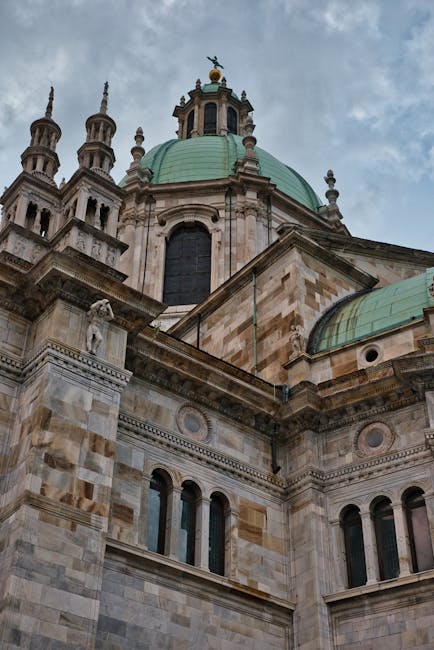
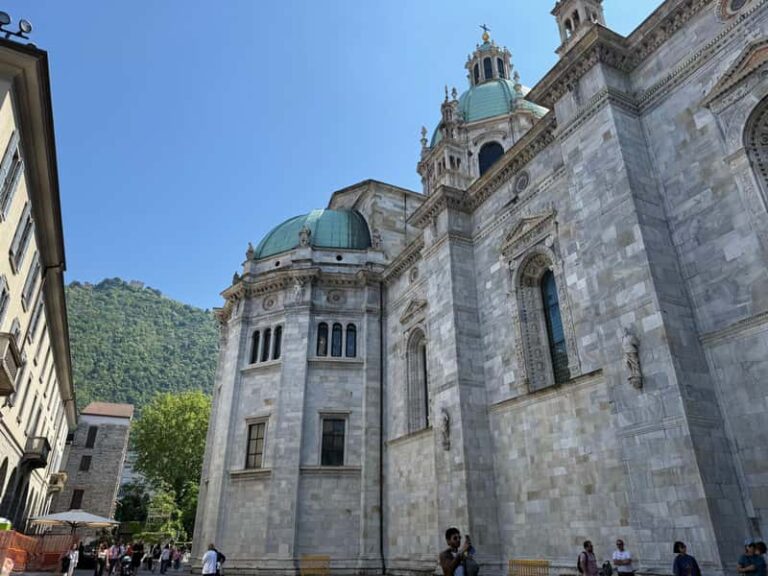
You can’t discuss Como’s historic façades without starting with the Cattedrale di Santa Maria Assunta, better known as Como’s Duomo. Located on Piazza Duomo, 22100 Como CO, the cathedral is a concentrate of eras: a nave and interior largely of the late Renaissance and 16th century, while the exterior façade, begun in the 14th century and completed in the 19th century, shows a blend of marbles and sculptures that reflects evolving tastes and techniques. Stone carved portals, niches housing saint statues, pinnacles and vertical lines give the building a slightly elongated majesty typical of Lombard Gothic.
Exact address: Piazza Duomo, 22100 Como CO, Italy.
Opening hours: generally the cathedral is open daily from 07:30 to 12:00 and from 15:00 to 19:00; hours may vary with religious services and seasons. For guided tours and concerts, check the official site or the Como tourist office.
Price: entry to the main part of the cathedral is often free; access to adjacent museums (musical and ecclesiastical sections) or paid guided tours can range from €3 to €8 depending on temporary exhibitions. Prices may change; budget €10 if you combine the Duomo visit with the Broletto and the diocesan museum on a combined ticket.
Detailed, immersive description: approach the Duomo across Piazza Duomo, where the public space presents the façade to the daylight. Note the subtle polychromy of the upper marbles, the relief of bas‑reliefs depicting biblical scenes, and the stone worn by centuries of hands and weather. In the early morning, low light accentuates edges and shadows, revealing the depth of the niches and the delicate wear of the statues. Inside, richly decorated side chapels and stained glass filter the light, but it’s the façade that commands the exterior narrative: it converses with the adjacent Broletto and with the façades of town houses lining the square.
Local practical tips: arrive early (between 07:30 and 09:30) to avoid tour groups and capture golden light ideal for photography. For façade shots, favor a 24–70 mm lens to catch both carved details and the whole front from the square. In summer the piazza can host markets and concerts; if you want a people‑free photo, return at sunrise. For a post‑visit break, Bar Duomo (Via Diaz, a stone’s throw away) serves espresso and traditional pastries.
Click here to discover Como’s historic center with a guide
The Broletto and Palazzo Giovio — Piazza Duomo 12, 22100 Como CO
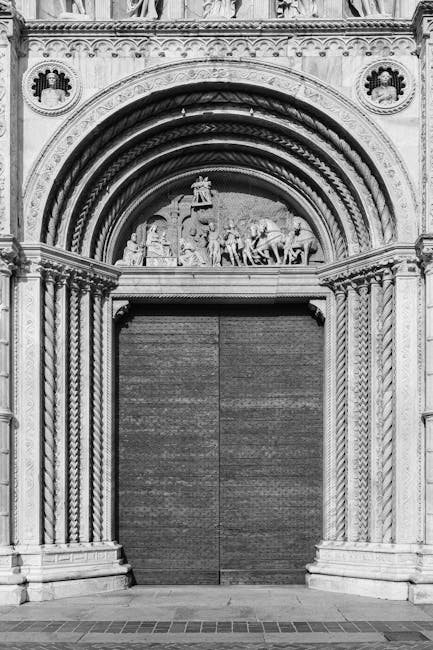
Right next to the Duomo, the Palazzo del Broletto (or Broletto) and Palazzo Giovio form a medieval civic ensemble that perfectly illustrates the juxtaposition of religious and municipal power. The Broletto, former seat of the town’s institutions, shows a sober yet expressive façade made of stones with varied textures and mullioned windows marking its levels. Palazzo Giovio, part of the same urban block, has been remodelled several times and displays Renaissance elements that contrast with the Broletto’s medieval austerity.
Exact address: Piazza Duomo 12, 22100 Como CO, Italy.
Opening hours: the Broletto is generally open during the day; for temporary exhibitions or guided tours of Palazzo Giovio, check Como’s tourist office. Typically, exhibitions run from 10:00 to 18:00, closed on Mondays.
Price: access to temporary exhibitions at the Broletto ranges from €4 to €10; there are often combination tickets with the Duomo and other local museums starting from €12.
Detailed, immersive description: approach the Broletto via the medieval loggia, where worn stone tells of centuries of civic meetings. The arcades feature columns with restrained capitals, and the large studded wooden door evokes former judicial and administrative rituals. Palazzo Giovio, recognisable by its framed windows and friezes, preserves sculpted details on its façade that speak to the Renaissance taste for ornament. On the side, look for plaques and Latin inscriptions mentioning magistrates or restoration dates — they’re valuable clues to read Como’s political evolution.
Local practical tips: for an interesting perspective, climb the Broletto stairs and view the Duomo façade from the upper loggia: the composition between the church and the town hall reveals medieval urban alignments. If you’re a photographer, try a short focal length (35 mm) to capture the intimacy of the arcades and the thickness of the walls. In summer, join a guided tour to hear anecdotes about council meetings and public trials held here. Finally, enjoy the cafés around the square to watch local life: Caffè Teatro (Via Garibaldi) is a favourite hangout.
Click here to book a private guided tour of Como
Book an experience to see the façades differently
The scent of hot coffee on Piazza Cavour accompanies your first frames.
1. Private photo session at the lake
1.5-hour session with a local photographer to compose shots of the façades and lakeside, from the Duomo to Villa Olmo; edits included and digital gallery delivered within 48h.
- ⏱️ Duration: 1.5 hours
- 📍 Itinerary: Piazza Cavour → Piazza Duomo → Villa Olmo
- 💡 Highlight: Pro photos at sunrise or sunset
- 🗣️ Languages: French, English, Italian
2. Guided tour lake + Brunate
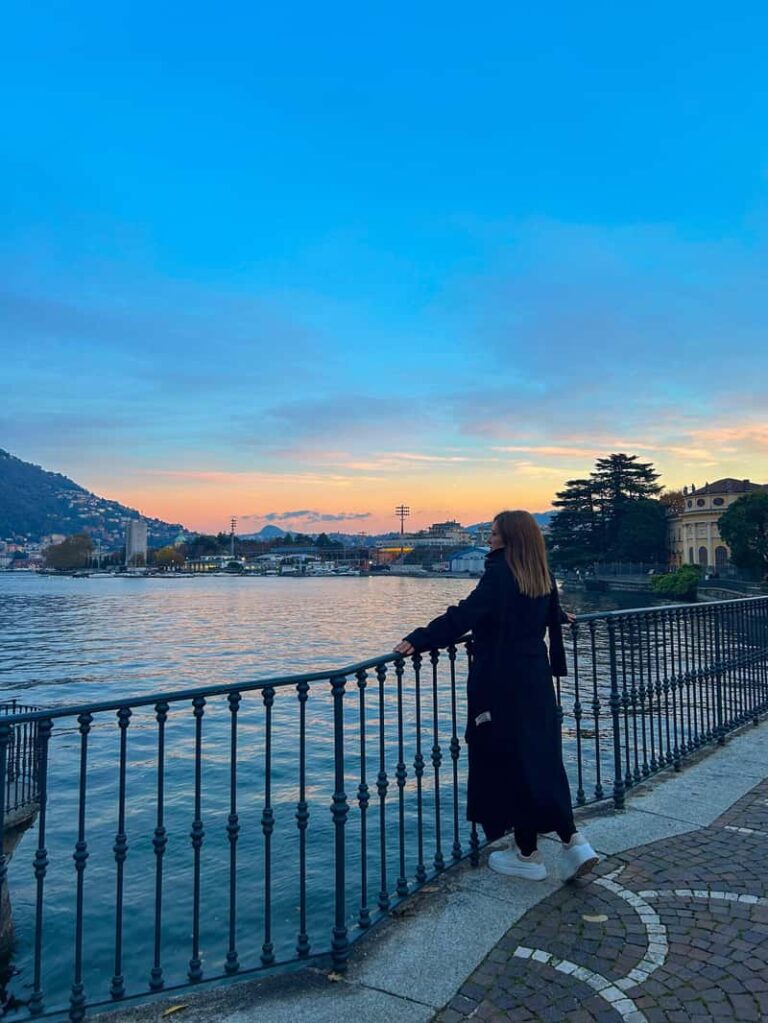
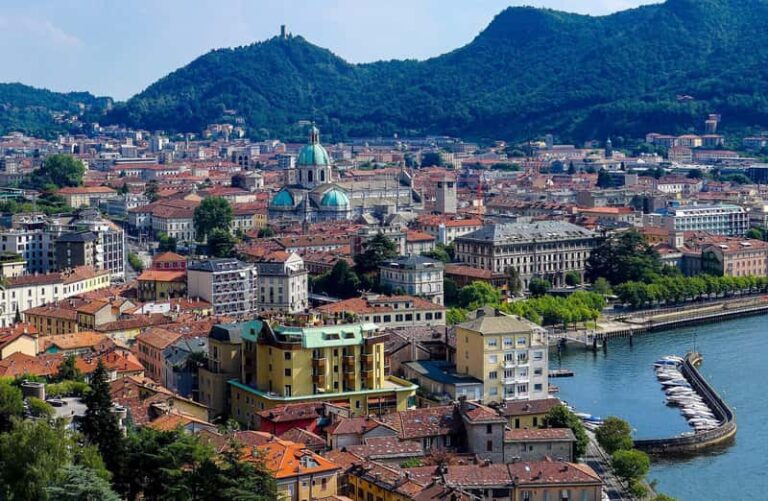
4-hour walk combining the historic centre and the funicular ride up to Brunate for sweeping views of the façades; ideal to understand the façades from both city and hill.
- ⏱️ Duration: 4 hours
- 🚩 Departure: Como Nord station
- 🚐 Transport: Funicular / walking
- 💡 Highlight: Panoramic view from Brunate
3. Guided tour with commentary and cruise
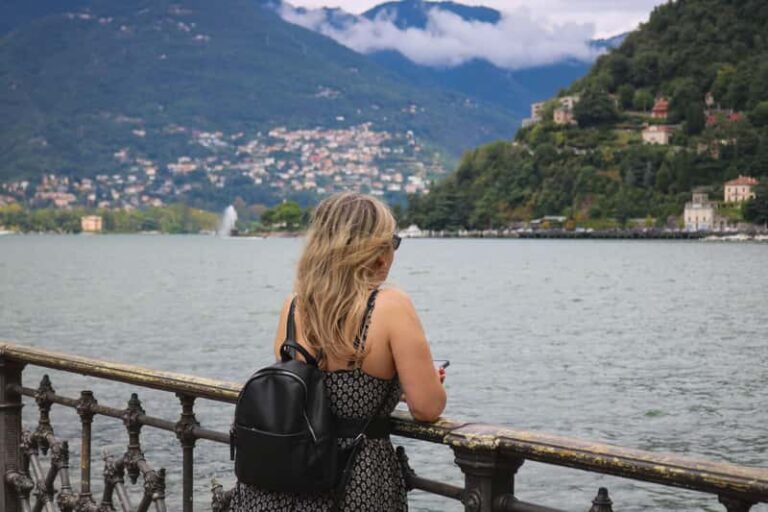
Combined tour: walking visit of the centre followed by a commentary cruise to observe lakeside façades and the villas on the shores, perfect to compare land and water perspectives.
- ⏱️ Duration: 3 hours
- 🚩 Departure: Piazza Cavour
- 🎧 Format: Guided tour + cruise
- ⭐ Highlight: Views from the water of the lakeside façades
4. Private guided tour
Private 2-hour tour to dive into iconography, materials and restorations; itinerary customizable based on your interests (Duomo, Broletto, Casa del Fascio).
- ⏱️ Duration: 2 hours
- 🚩 Meeting point: Piazza Cavour (Hotel Barchetta)
- 👥 Format: Private guide
- ❤️ Perfect for: Photographers and architecture enthusiasts
Basilica di San Fedele — Piazza San Fedele, 22100 Como CO
The Basilica di San Fedele, set on the picturesque Piazza San Fedele (Piazza San Fedele, 22100 Como CO), is a Romanesque church whose sober, elegant façade offers a charming contrast to the ornate details of the Duomo. Built on a Romanesque plan, the church features a brick and stone frontage, an ancient portal often framed by carved motifs and narrow streets around it filled with artisan shops. The façade retains an authenticity that appeals to texture lovers: slightly irregular bricks, weathered joints, and a pleasing scale between the main door and the small high windows.
Exact address: Piazza San Fedele, 22100 Como CO, Italy.
Opening hours: generally open for services and daytime visits; Sunday mass and weekday services: 08:30, 10:00 (Sunday) and 18:00 according to the parish calendar. Times may vary during religious holidays.
Price: church entry is free; thematic guided tours or concerts may ask for a contribution (around €3 to €8).
Detailed, immersive description: approaching the Basilica di San Fedele, let your eyes trace the simple façade, marked by the play of light on the brick. The wooden portal, often adorned with a tympanum or archivolt, speaks of medieval workshops. Inside, the exterior’s sobriety can contrast with a richer interior, restored frescoes and an ornamented apse. On summer evenings, the small square comes alive with artisans and small concerts, offering an intimate atmosphere that showcases the façade as a jewel within the ancient urban fabric.
Local practical tips: aim to visit in the late afternoon when the low light grazes the reddish façade creating soft shadows; a 50–85mm zoom captures portal details without distorting lines. There’s often an artisan market on Saturday mornings — a great chance to combine architectural beauty with local purchases (ceramics, textiles, jewelry). For nearby lunch, Trattoria della Basilica (Via Natta) serves traditional Como dishes, perfect for tasting local cuisine after your visit.
Casa del Fascio and Rationalist architecture — Piazza del Popolo, 22100 Como CO
The Casa del Fascio, located on Piazza del Popolo (Piazza del Popolo, 22100 Como CO), is one of architect Giuseppe Terragni’s major works and a prime example of 1930s Italian Rationalism. Though its modern aesthetic contrasts with the medieval and baroque façades that dominate Como, it deserves a place on this route: the façade, made of a play of geometric volumes, broad glazing and a travertine structure, shows how the 20th century entered into dialogue with the older heritage.
Exact address: Piazza del Popolo, 22100 Como CO, Italy (Casa del Fascio).
Opening hours: the Casa del Fascio sometimes hosts exhibitions and guided visits; hours vary with programming. Generally, temporary exhibitions may be open 10:00–18:00, closed on Mondays.
Price: access to exhibitions and guided tours at Casa del Fascio: between €5 and €12 depending on events; there are sometimes paid thematic guided tours about Como’s architectural history starting from €15.
Detailed, immersive description: the Casa del Fascio’s façade is a masterclass in composition: the regular grid of openings, flat surfaces and the solid/void ratio create a formal rigor rarely seen in the historic center. Next to ancient stonework, this austerity becomes almost sculptural and draws the eye with its balance. The glass transparency occasionally reveals interior circulation and gives a sense of spatial fluidity. The building is also a political and cultural witness: born from a specific historical context, it shows how architecture can serve as a public image.
Local practical tips: to photograph Casa del Fascio, favor a shallow depth of field if you want to isolate details, or a moderate wide-angle lens (24–35mm) to capture the full geometry without warping lines. Also visit the bookshop and information center to learn more about Terragni and the Rationalist movement. Combine the visit with a break on Piazza del Popolo, which overlooks the lively pedestrian street — perfect for observing the mix of modern architecture and traditional shops.
Villa Olmo and lakeside façades — Largo Luchino Visconti 4, 22100 Como CO
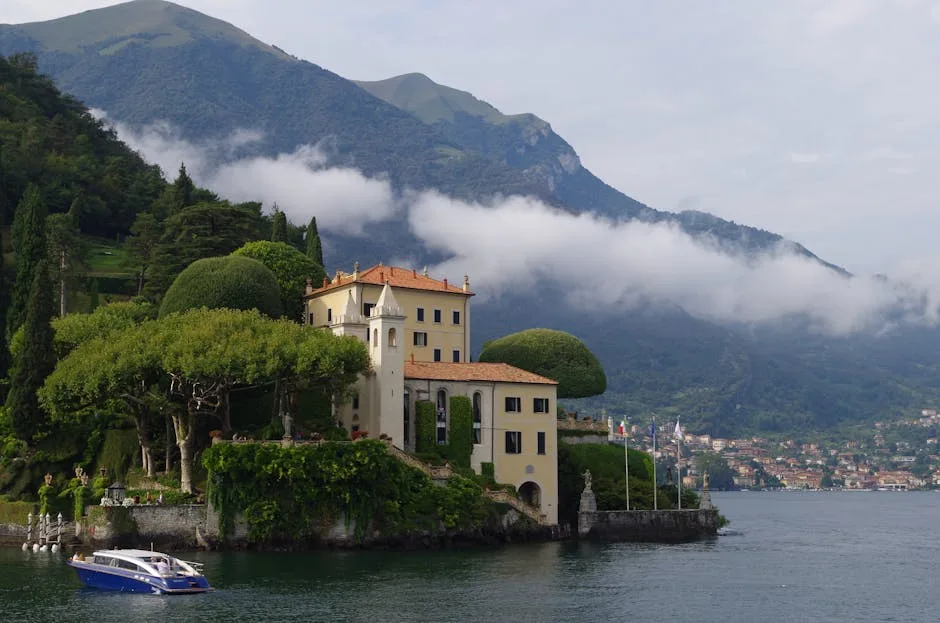
Villa Olmo, set along the lake at Largo Luchino Visconti 4, 22100 Como CO, is a large neoclassical villa whose imposing façade mirrors in the calm waters. Built at the end of the 18th century, the villa is notable for its symmetrical frontage, a portico with Corinthian columns and wide terraces that slope down to the garden by the lake. Lakeside façades have a special charm: they interact with the lake’s changing light and offer reflections that enhance cornices and balconies.
Exact address: Villa Olmo, Largo Luchino Visconti 4, 22100 Como CO, Italy.
Opening hours: the gardens are generally accessible daily; the villa’s interior and exhibition rooms open depending on events and exhibitions (usually 10:00–18:00 in high season). Check ahead for temporary exhibitions.
Price: garden access is often free; indoor exhibitions and guided tours can cost between €5 and €12. Special events (concerts, receptions) have variable pricing.
Detailed, immersive description: approach Villa Olmo along the lakeside promenade and let the façade gradually reveal itself. The central portico, large windows and alternating solids and voids create a sense of balance and aristocratic elegance. The French-style garden in front structures the perspective down to the lake, where boats and swans complete the scene. At sunset the façade warms and its colors double in reflections on the water: a prime moment for photographers and romantic strollers.
Local practical tips: aim for late afternoon for reflection shots; a polarizing filter will help control reflection intensity and balance the composition. If you visit the villa in spring, check the temporary exhibitions often devoted to contemporary art or local history. For lunch with a view, the « Villa Olmo Terrace » restaurant (reservations required during events) offers a gastronomic experience overlooking the façade and the lake. Finally, combine the visit with a boat ride from the nearby pier (Molo di Villa Olmo) to admire the façade from the water — a perspective that reveals the relationship between architecture and nature.
Click here to book a boat cruise on Lake Como
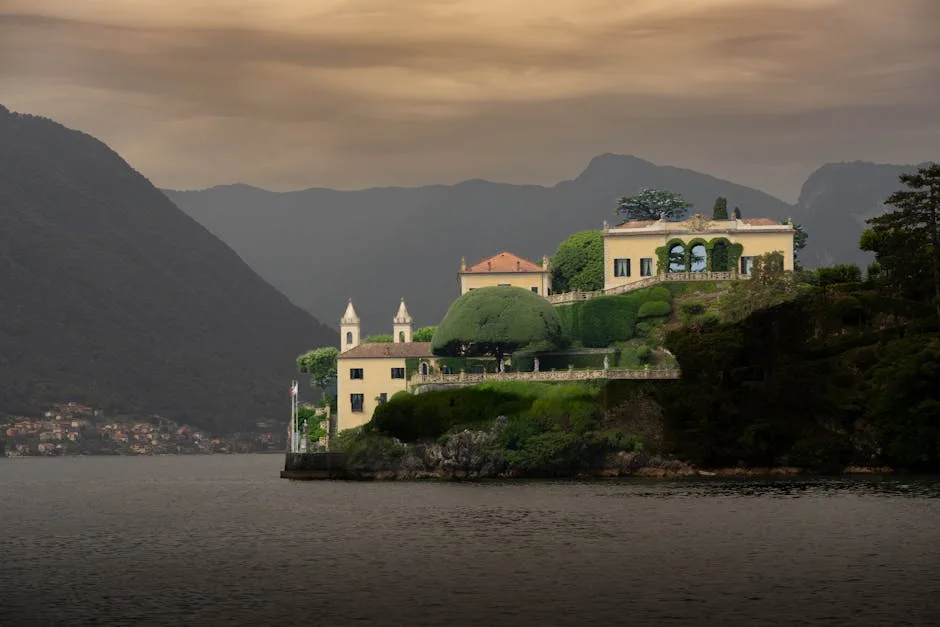
Chiesa di Sant’Abbondio and the small historic façades — Via Sant’Abbondio, 22100 Como CO
Chiesa di Sant’Abbondio (Via Sant’Abbondio, 22100 Como CO) is a Romanesque basilica set slightly off the immediate center, whose sober, rigorous façade is worth the detour. Built between the 8th and 12th centuries, Sant’Abbondio’s façade shows a rare architectural continuity: its materials, lines and solemn presence evoke the calm strength of Lombard Romanesque. More broadly, Como is paved with small historic façades: merchants’ houses, former town palaces and private chapels that together form a rich, varied urban fabric.
Exact address: Chiesa di Sant’Abbondio, Via Sant’Abbondio, 22100 Como CO, Italy.
Opening hours: generally open for mass and daytime visits; hours vary with the season and services (regular Sunday mass usually at 10:30). Check local times for special religious celebrations.
Price: free entry to the basilica; some guided tours or heritage activities may request a donation or a small fee (€2–€5).
Detailed, immersive description: the façade, with its simple lines and compact volumes, offers a calming contrast to the more ornate façades of the city center. The thick walls, small wooden door and scarce openings create an almost monastic atmosphere. Inside, the vaults, frescoes and carved capitals recall the site’s antiquity. Wandering the streets around Sant’Abbondio you find small inner courtyards, sgraffito-painted façades, ironwork and portals that reveal the daily life of past craftsmen and merchants.
Local practical tips: combine the visit with a walk along Via Regina down to the lake to enjoy varied viewpoints of the waterfront façades. For photographing Sant’Abbondio, a 35–50mm lens captures the intimacy of the façade without excessive compression; also try close-ups of the stone to capture wear and texture. In the adjacent alleys look for artisans’ workshops (cobblers, furniture restorers): they’re often open and give a lively insight into the trades that maintain the built heritage.
General practical tips for admiring Como’s façades
Visiting Como’s historic façades takes a bit of planning to make the most of light, access and complementary experiences. Here are some practical, concrete tips:
- Best time to visit: early morning (between 07:30 and 09:30) or late afternoon (17:00–19:30). Low-angle light reveals textures and reliefs, while off-peak hours reduce tourist crowds.
- Photo gear: a versatile 24–70mm for full façades, 50–85mm for sculpted details, and a light tripod for twilight shots. A polarizing filter helps with lakeside façades (Villa Olmo) to manage reflections.
- Transport: most notable façades are within walking distance from Como San Giovanni station (city center). Urban buses connect more distant spots like Villa Olmo. To get lake views, take a ferry or tourist boat from Molo di Como, near the lungolago.
- Tickets and opening times: always check official sites or the tourist office (Como Tourist Office – Piazza Cavour, 22100 Como CO) before visiting: hours and prices can change with the season and temporary exhibitions.
- Clothing: comfortable shoes for cobbles and stairs, a light jacket for lakeside evenings. In summer, sun protection is essential in exposed squares.
- Respect the place: in religious buildings observe silence signs, avoid overly revealing clothing and don’t use flash indoors without permission.
- Meals and breaks: favor small trattorie and family-run cafés around the Duomo and the lungolago: Como cuisine offers lake fish risottos and Lombard specialties. Expect €12–€25 for a main course in a local trattoria.
Conclusion
Discovering Como’s finest historic façades is an experience that blends aesthetics, history and everyday life. From the Cattedrale di Santa Maria Assunta to Villa Olmo, via the Broletto, the Basilica di San Fedele, the Casa del Fascio and the Chiesa di Sant’Abbondio, each frontage tells a different chapter of the town’s story. Some impress with sculpted richness and multicolored stonework, others charm with simplicity and honest materials. Together they form an urban narrative that reveals political shifts, stylistic evolutions and social uses.
Visiting these façades also means diving into a living Como: lively squares, cafés, artisans and lakeside walks complete the experience. For photographers the city offers varied settings—from grand scenes to intimate corners—and shifting light that enhances textures and reflections. For the history buff, every wall thickness, inscription or restoration is a clue to follow. For the traveler seeking feeling, façades act like mirrors, reflecting a town that has preserved its heritage while opening it up to modern conversations.
Before you go, keep practical tips in mind: favor quiet hours for peace and the best light, check opening times and prices for museums and exhibitions, and take time to wander off the main tourist routes to find lesser‑known yet equally rich façades. Finally, remember that every façade can be discovered through conversation: talk with locals, shopkeepers and guides—they often share the anecdotes and details that bring the stone to life. Enjoy your walk in Como, and let the poetry of the old façades by the lake surprise you.